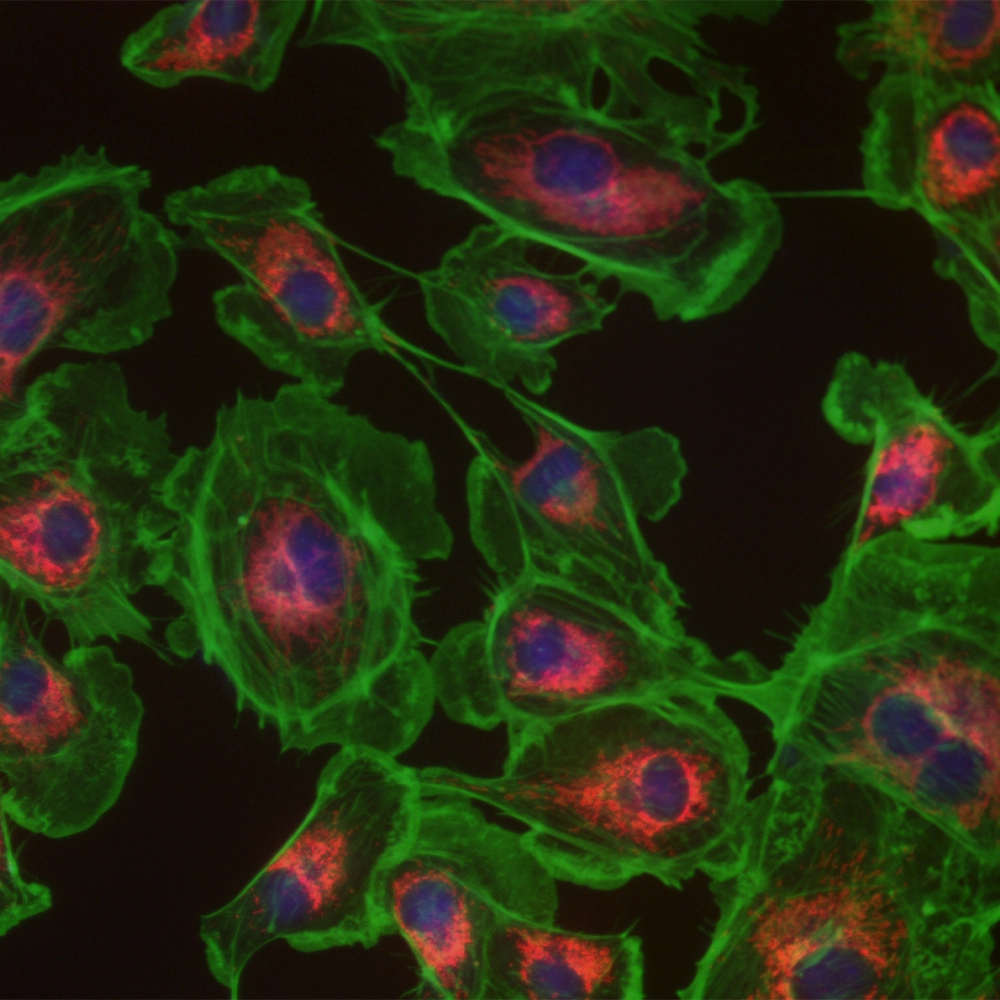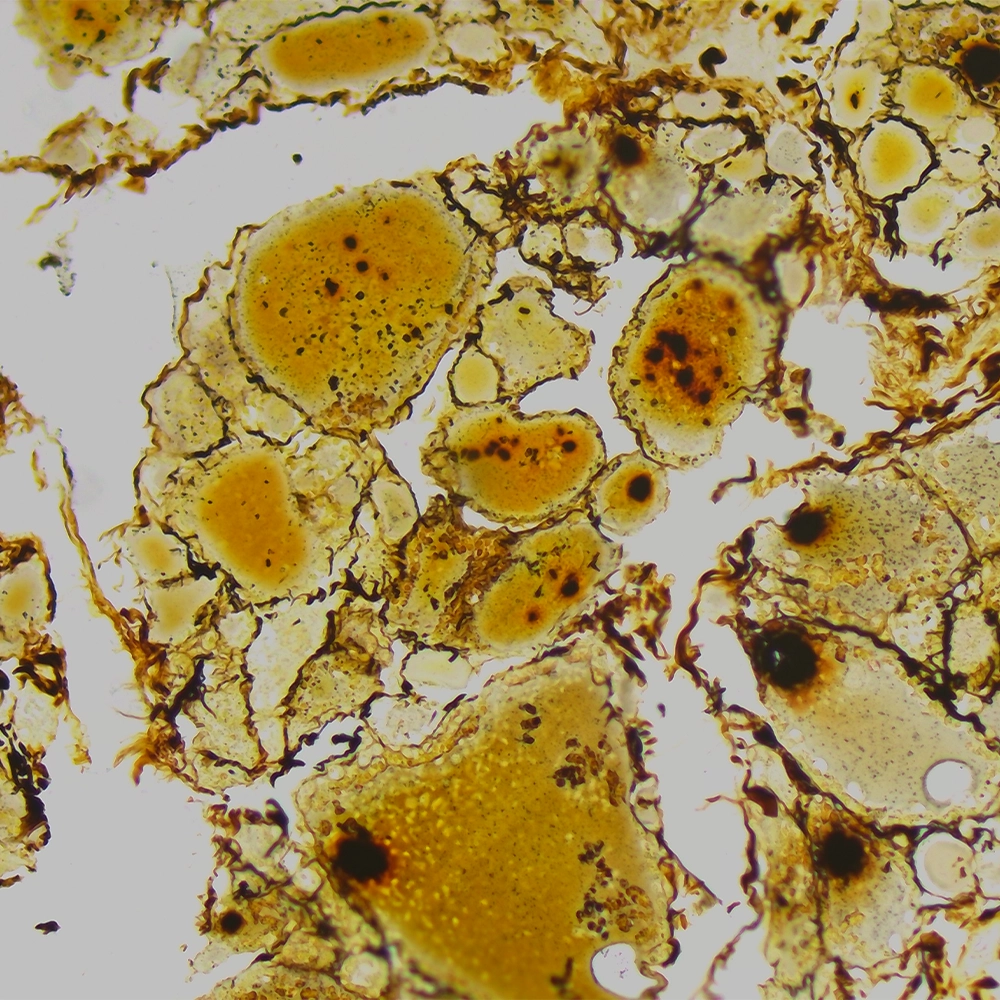

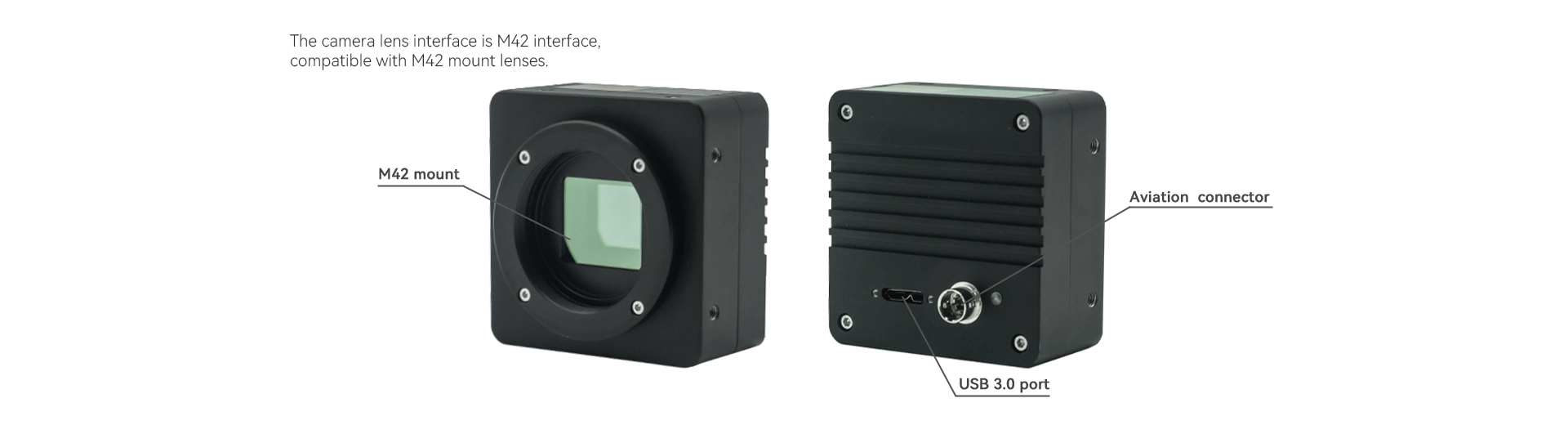
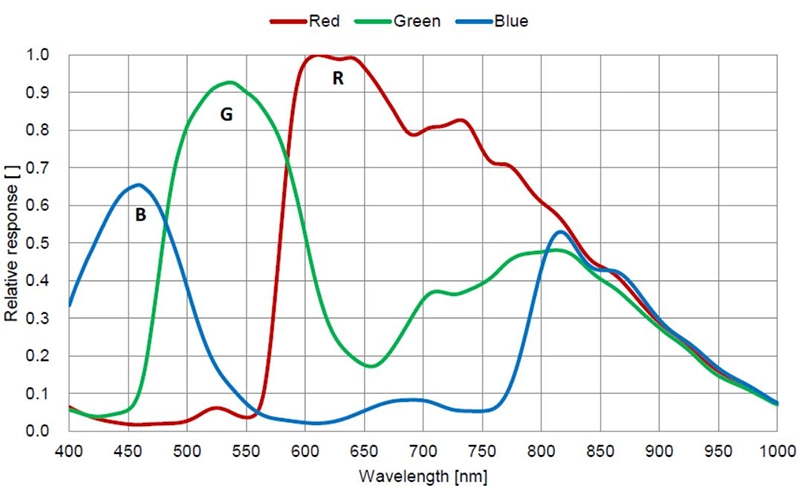
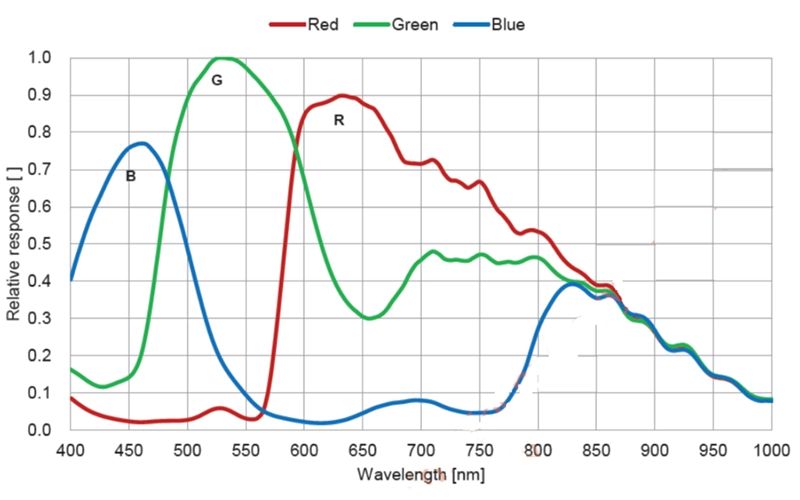
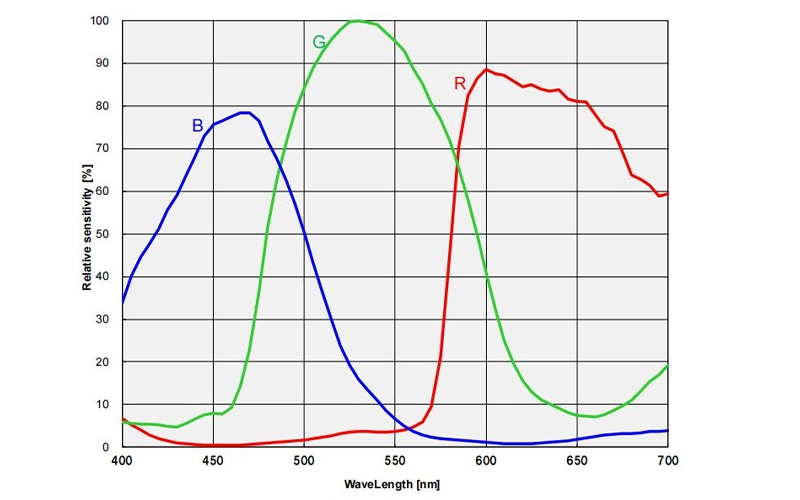
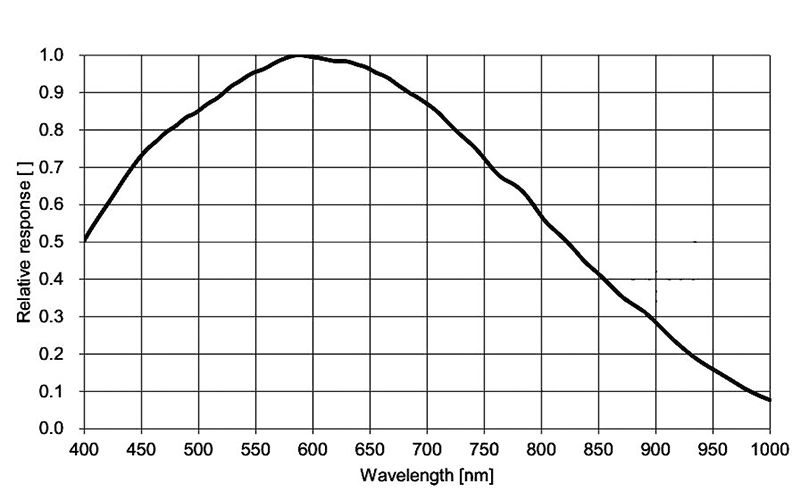
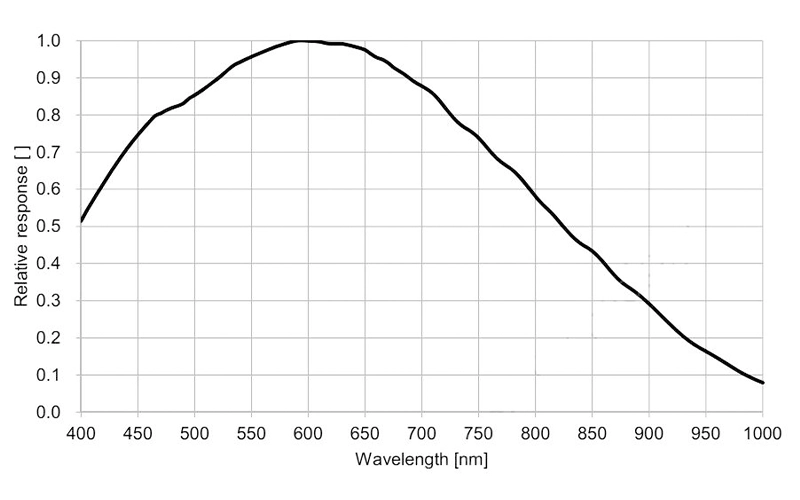
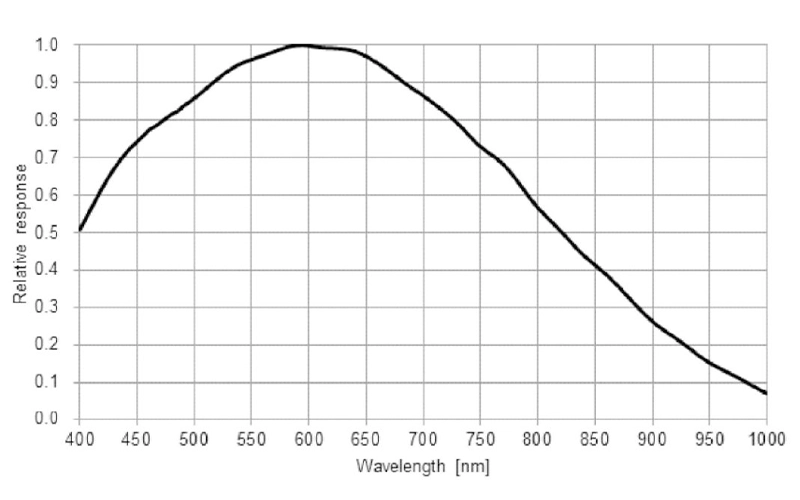
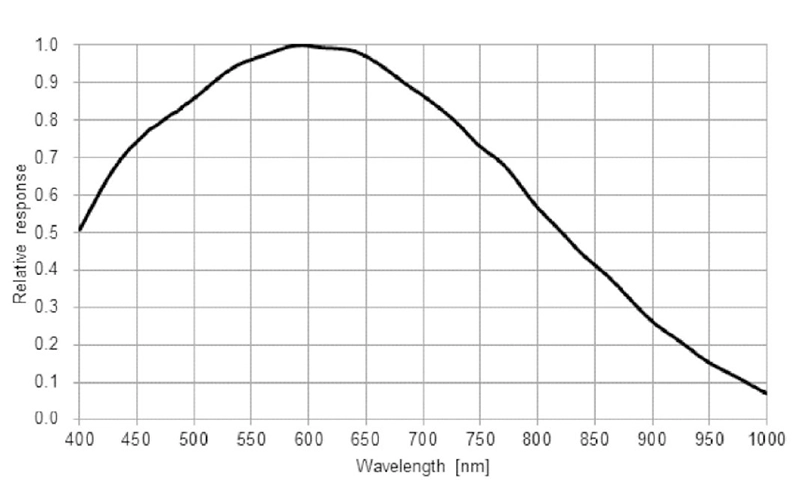
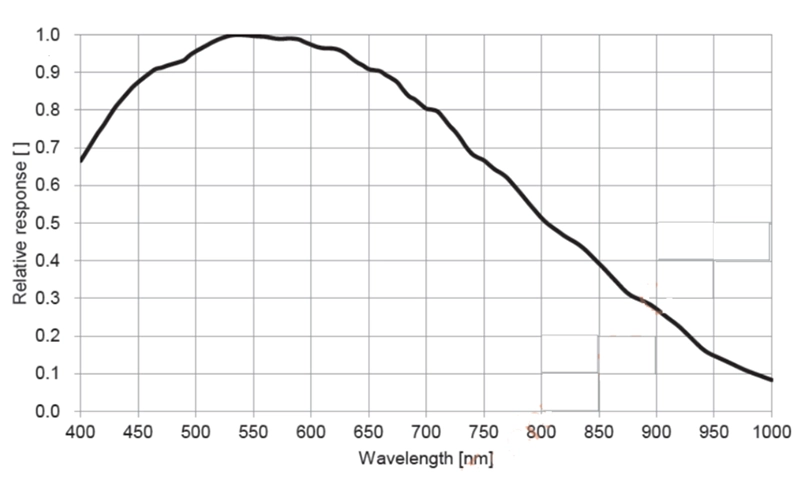
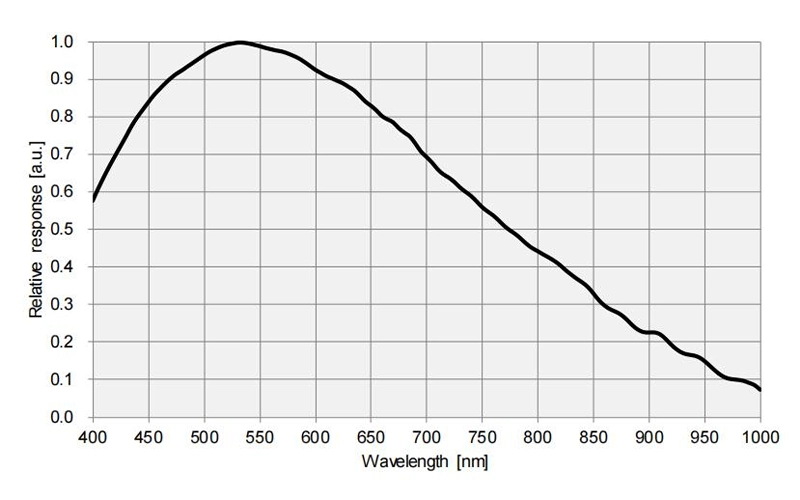
The CMOS microscope cameras offers a broad spectral response from visible to UV and near-infrared. With resolutions ranging from 1.7 MP to 26 MP, it provides multiple sensor sizes and pixel size options to suit diverse applications. Global shutter and rolling shutter versions are available, along with color or monochrome models depending on the variant. The cameras deliver high sensitivity and a wide dynamic range for reliable performance across demanding scenarios.
| Features |
Wide resolution range from 1.7 MP to 26 MP |
Multiple sensor sizes and pixel size options |
| 8/12-bit color depth processing |
| Global shutter or rolling shutter (depending on model) |
| USB3.0 for real-time acquisition |
| CE/FCC Cerifcation,Multi-platform SDK |
AttosView supports Windows® 7 (64-bit),10 and 11 operating systems.
The SDK supports development languages such as C/C++, C #/VB.net, Python, Java, etc,
Third-party support including LabVIEW, MATLAB, Micro-Manager, DirectShow, and TWAIN.
Covering a spectral range from visible to NIR and UV, this CMOS microscope camera delivers outstanding performance in high frame rate, low-light sensitivity, and specialized band capture. Designed specifically for microscopy, it supports brightfield, darkfield, phase contrast, and fluorescence observation modes. Ideal for measurement, positioning, and high-precision inspection applications.
| Common Specifications | |
| Data interface | USB3.0 |
| Gain Range | 1x-50x |
| Digital I/O | 1 channel of optically isolated input,1 channel of optically isolated output,2 channels of non-isolated input/output port |
| Data Format | 8-bit / 12-bit |
| Working temperature | -10~50℃ |
| Storage temperature | -30~70℃ |
| Humidity | 20%-80%, no condensation |
| Software | AttosView / SDK |
| Platform and architecture | Win32/WinRT/Linux/macOS/Android;x86/x64/ARM HF/ARM EL/ARM64 |
| Certification | CE, FCC |
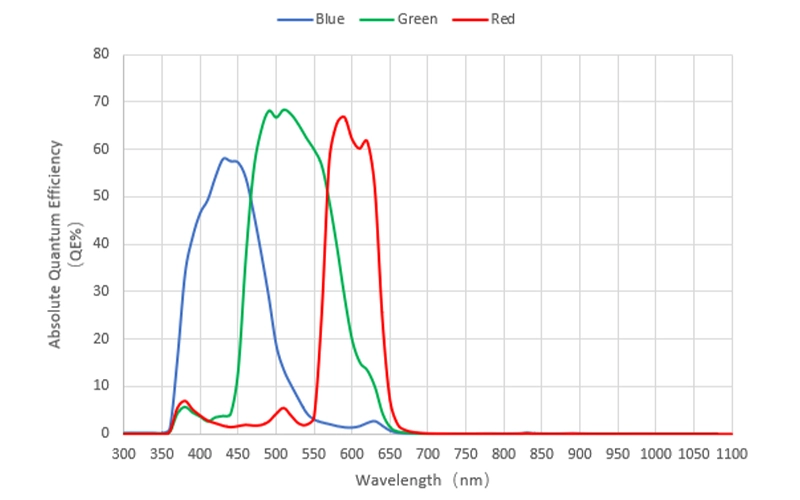
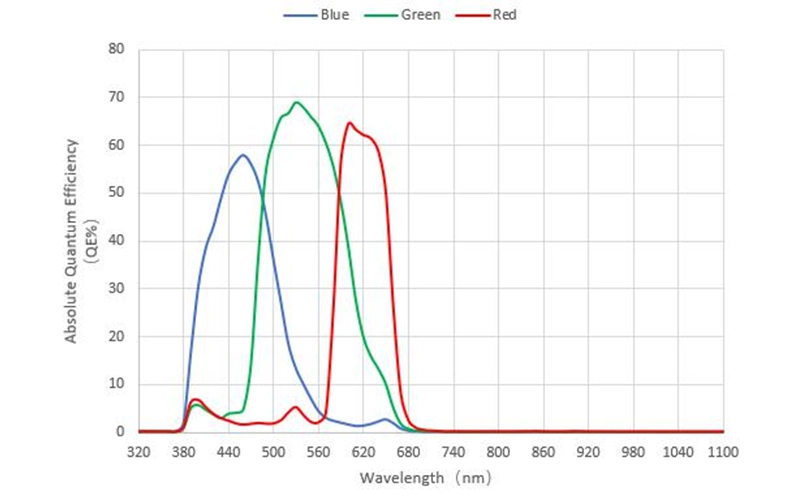
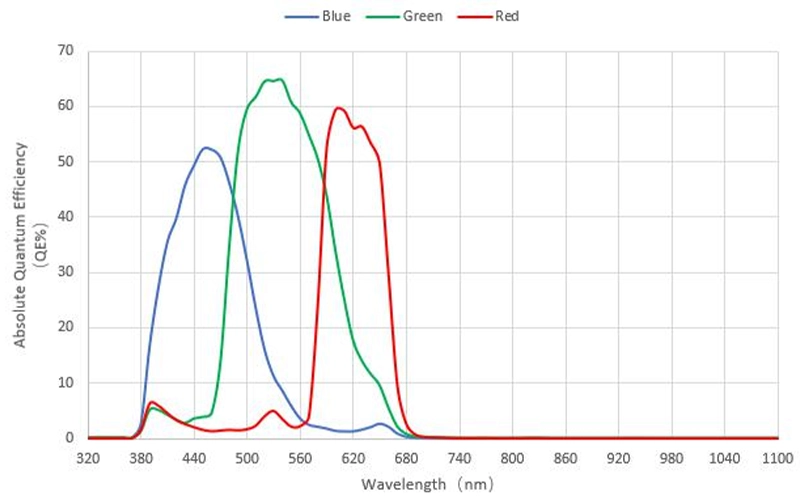
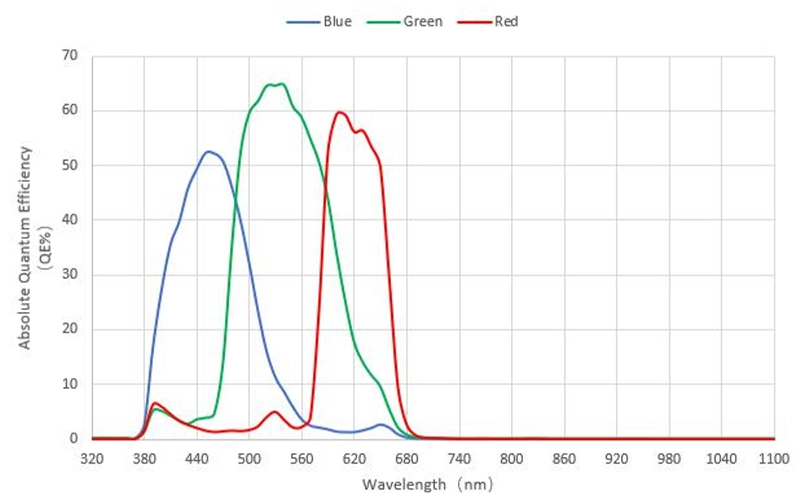
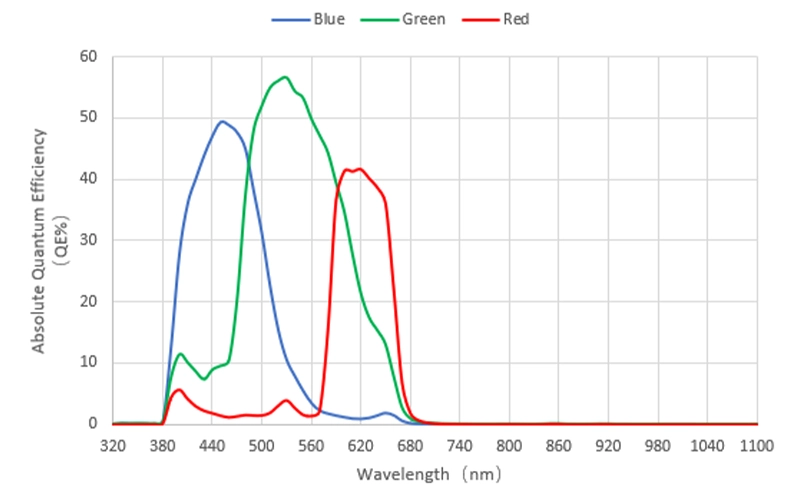
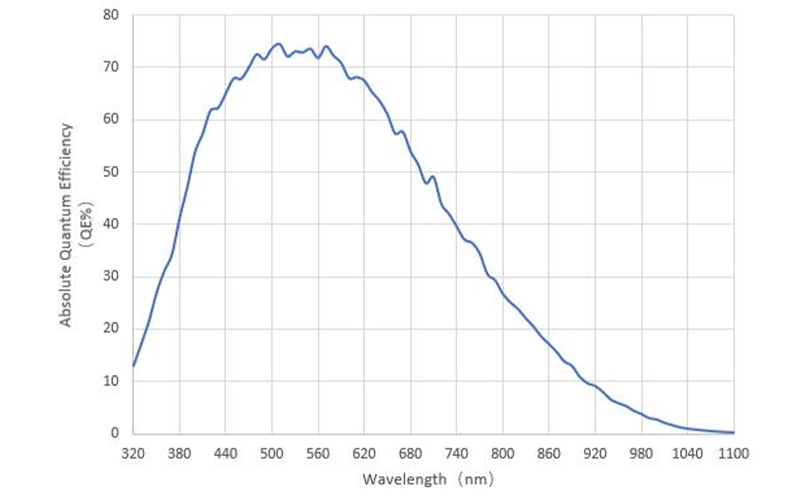
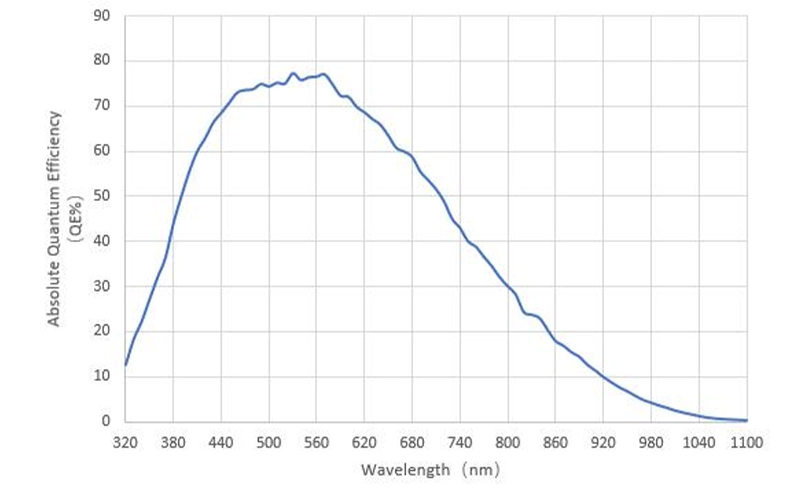
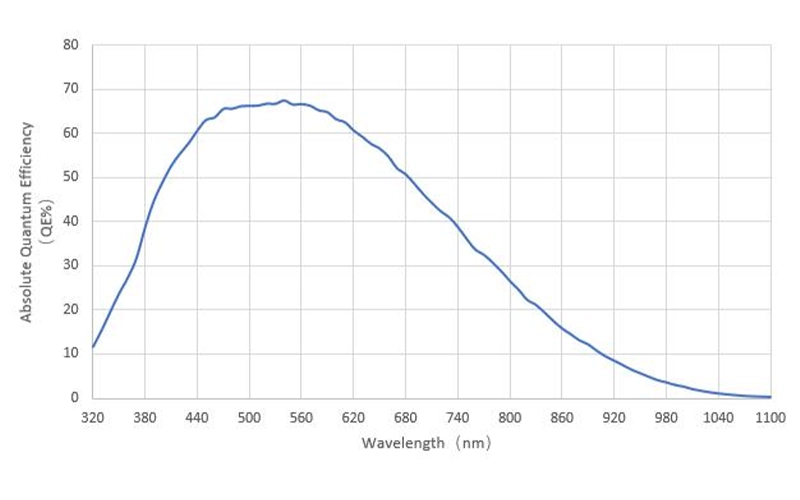
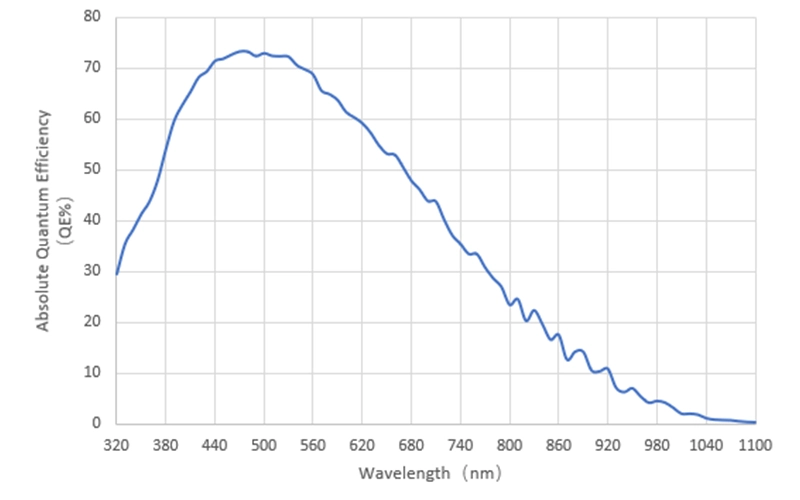
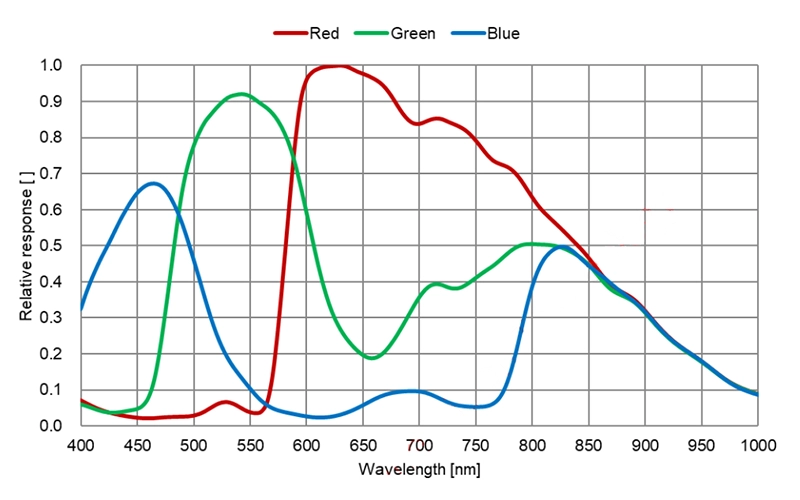
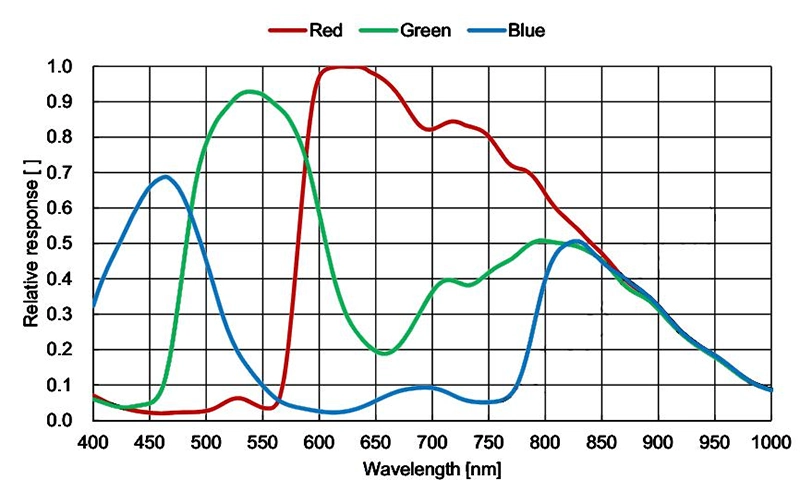
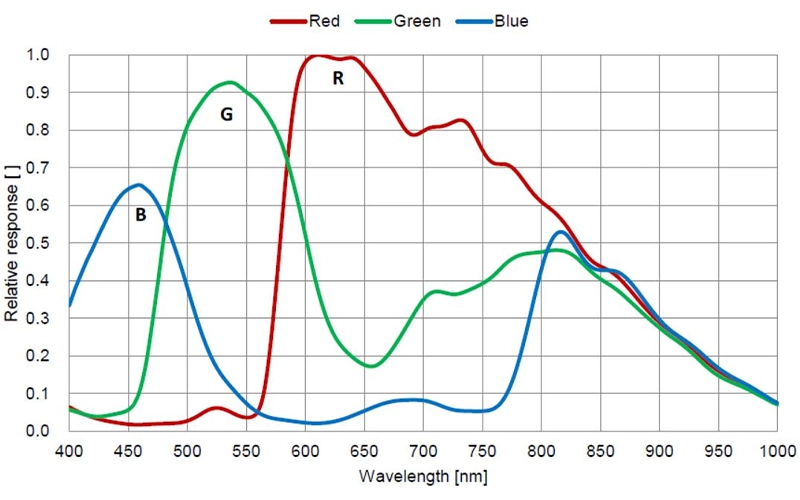
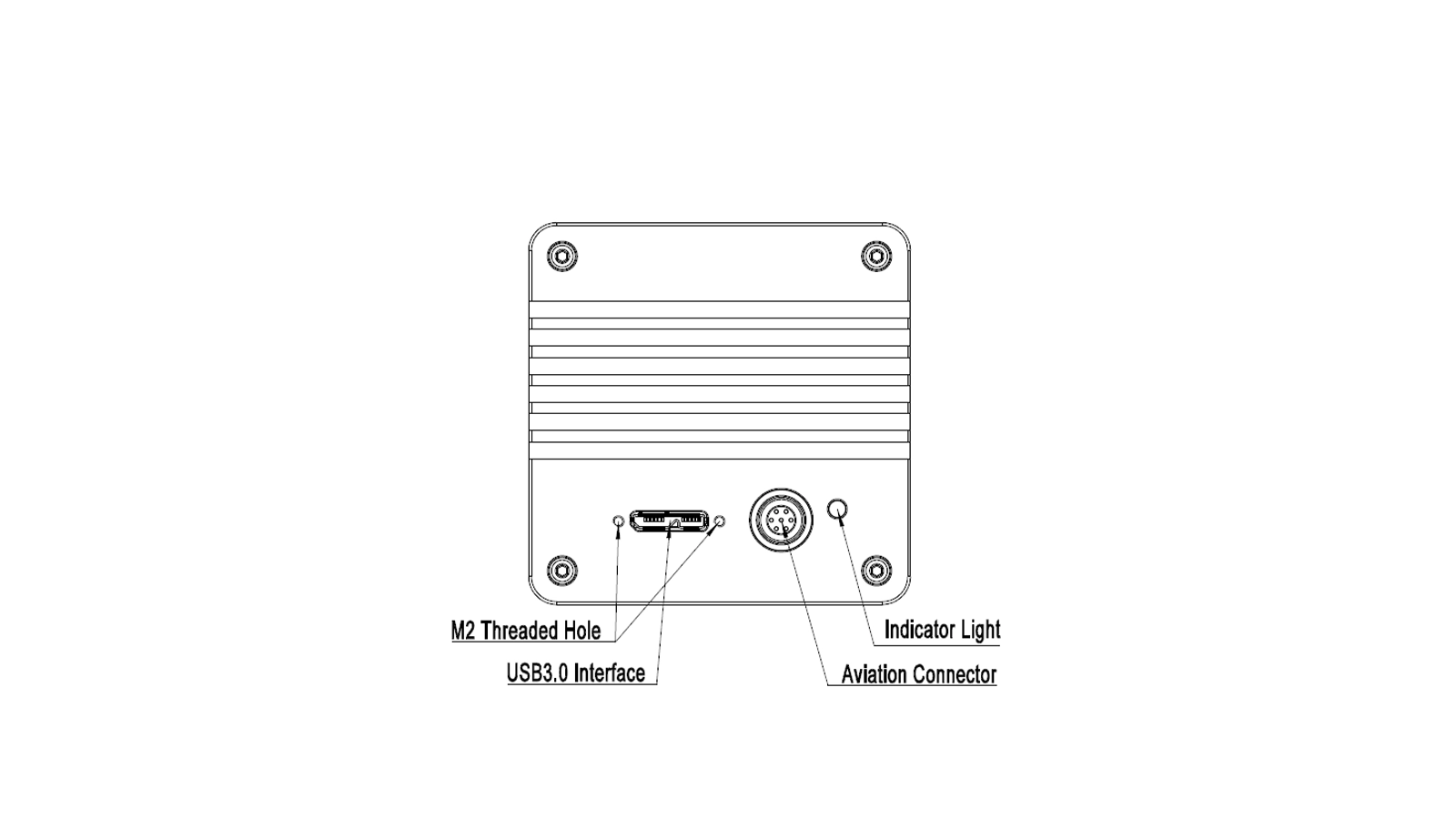
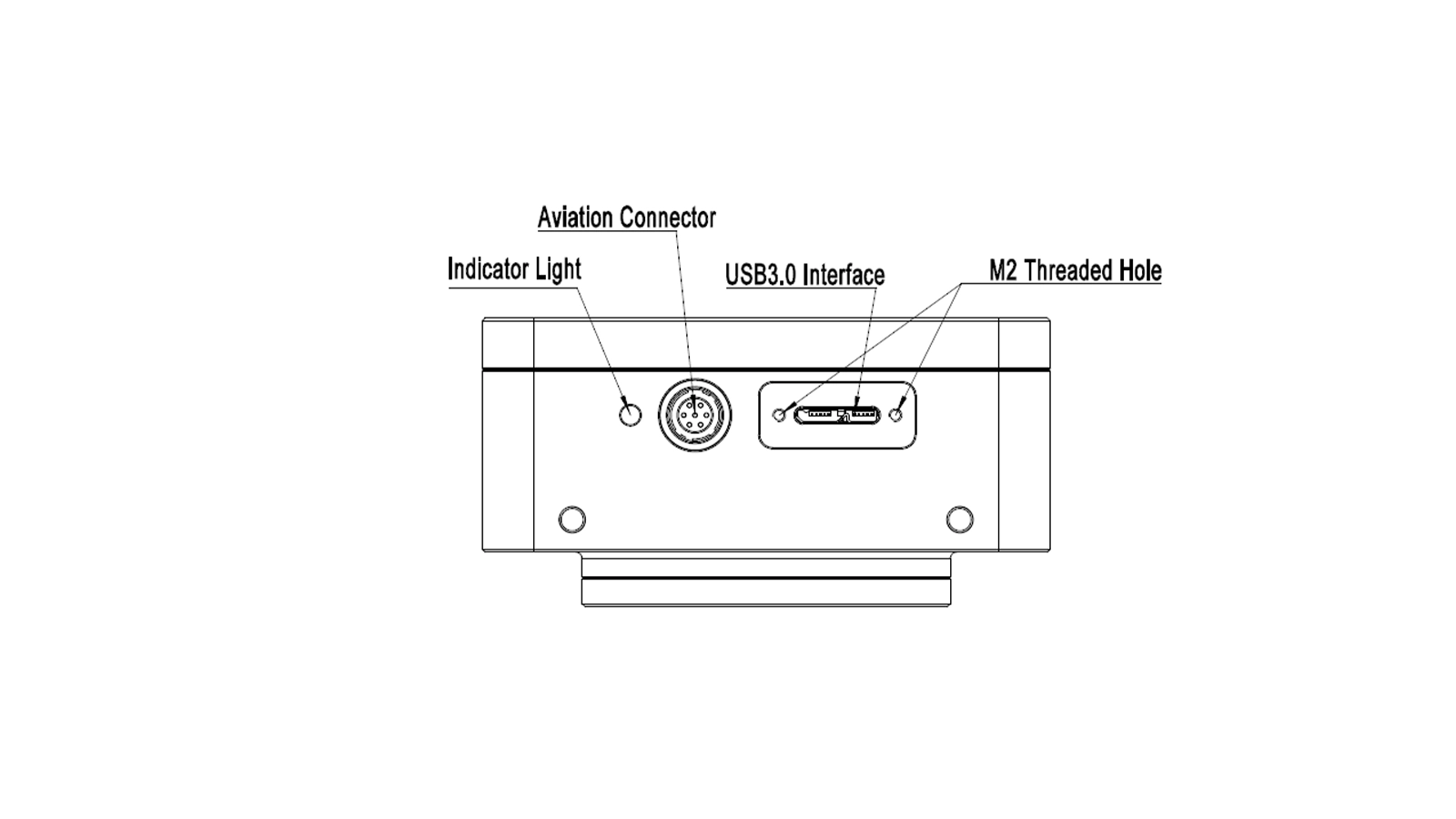
| Table1: USB port, GigE port, CL port refrigerated camera pin signal definitions | |||||
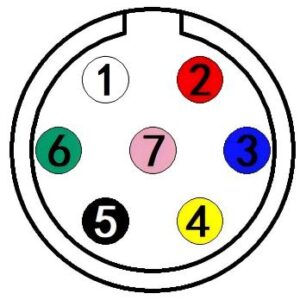 | Color | Pin | Signal | Description of the signal | |
| White | 1 | GDN | Direct-coupled signal ground | ||
| Red | 2 | 12V | 12VDC power input | ||
| Blue | 3 | OPTO_GND | Opto-isolated signal ground | ||
| Yellow | 4 | DIR_GPIO0 | Direct-coupled General Purpose I/O (Software configurable input/output) (line2) | ||
| Black | 5 | DIR_GPIO1 | Direct-coupled General Purpose I/O (Software configurable input/output) (line3) | ||
| Green | 6 | OPTO_IN | Opto-isolated input signal (line0) | ||
| Pink | 7 | OPTO_OUT | Opto-isolated output signal (line1) | ||
Opto-isolated input circuit (line0)
Logic 0 input level: 0~2.2VDC (OPTO_IN pin)
Logic 1 input level: 3.3~24VDC (OPTO_IN pin)
Maximum input current:30mA
When the input level is between 2.2V and 3.2V, the circuit operation state is uncertain, please do not let SWIR camera work within this voltage range.
Input rise delay (TDR): 6us
Input fall delay (TDF): 6us

Figure 1:Input logic levels
Opto-isolated output circuit (line1)
The opto-isolated output maximum current is 30mA.

Figure 2: Output logic levels
The electrical characteristics of the opto-isolated output (external voltage 5V, external resistor 1K) are shown in Table 2.
| Table 2: Opto-isolated output signal’s electrical characteristics | ||
| Parameter name | Parameter notation | Parameter value |
| Output logic low | VL | 742mV |
| Output logic high | VH | 4.134V |
| Output rise time | TR | 4us |
| Output fall time | TF | 1.8us |
| Output rise delay | TDR | 12us |
| Output fall delay | TDF | 2us |
The output of the corresponding output current and VL when using different voltages and resistors in externalcircuit are shown in Table 3.
| Table 3:Opto-isolated output logic’s low levels parameters | |||
| External voltage | External resistor | VL | Output current |
| 3.3V | 1KΩ | 510mV | 2.82mA |
| 5V | 1KΩ | 742mV | 4.31mA |
| 12V | 2.4KΩ | 795mV | 4.68mA |
| 24V | 4.7KΩ | 850mV | 4.97mA |
Input and output I/O circuit (line2/line3)
1. Line2/line3 is set as input pin
Logic 0 input level: 0~0.6VDC (DIR_GPIO0/DIR_GPIO1 pins)
Logic 1 input level: 2.0~24VDC (DIR_GPIO0/DIR_GPIO1 pins)
Maximum input current: 25mA
When the input level is between 0.6V and 2.0V, the circuit action state is uncertain, please avoid the input voltage range working in this range.
To prevent damage to the GPIO pins, please connect the pin GND first, and then input voltage to the Line2 pin.
Input rise delay (TDR): 0.02us
Input fall delay (TDF): 0.02us

Figure 3: Input logic levels
2. Line2/line3 are set as output pins
The maximum current allowed through this pin is 25mA.
The external pull-up voltage is 5V, the pull-up resistor is 1KΩ, and the GPIO is configured to output the logic level and electrical characteristics as shown in Figure 4.

Figure 4: Output logic levels
When the ambient temperature is 25 degrees Celsius, the relationship between the external voltage, resistance and low-level voltage output is shown in Table 4.
| Table 4:Non-isolated output Logic’s low level parameters | ||
| External voltage | External resistor | VL(GPIO) |
| 3.3V | 1KΩ | 0.11V |
| 5V | 1KΩ | 0.167V |
| 12V | 2.4KΩ | 0.184V |
| 24V | 4.7KΩ | 0.385V |
| Table 5: Non-isolated output electrical characteristics | ||
| Parameter name | Parameter notation | Parameter value |
| Output rise time | TR | 0.08us |
| output fall time | TF | 0.02us |
| Output rise delay | TDR | 0.1us |
| Output fall delay | TDF | 0.04u |
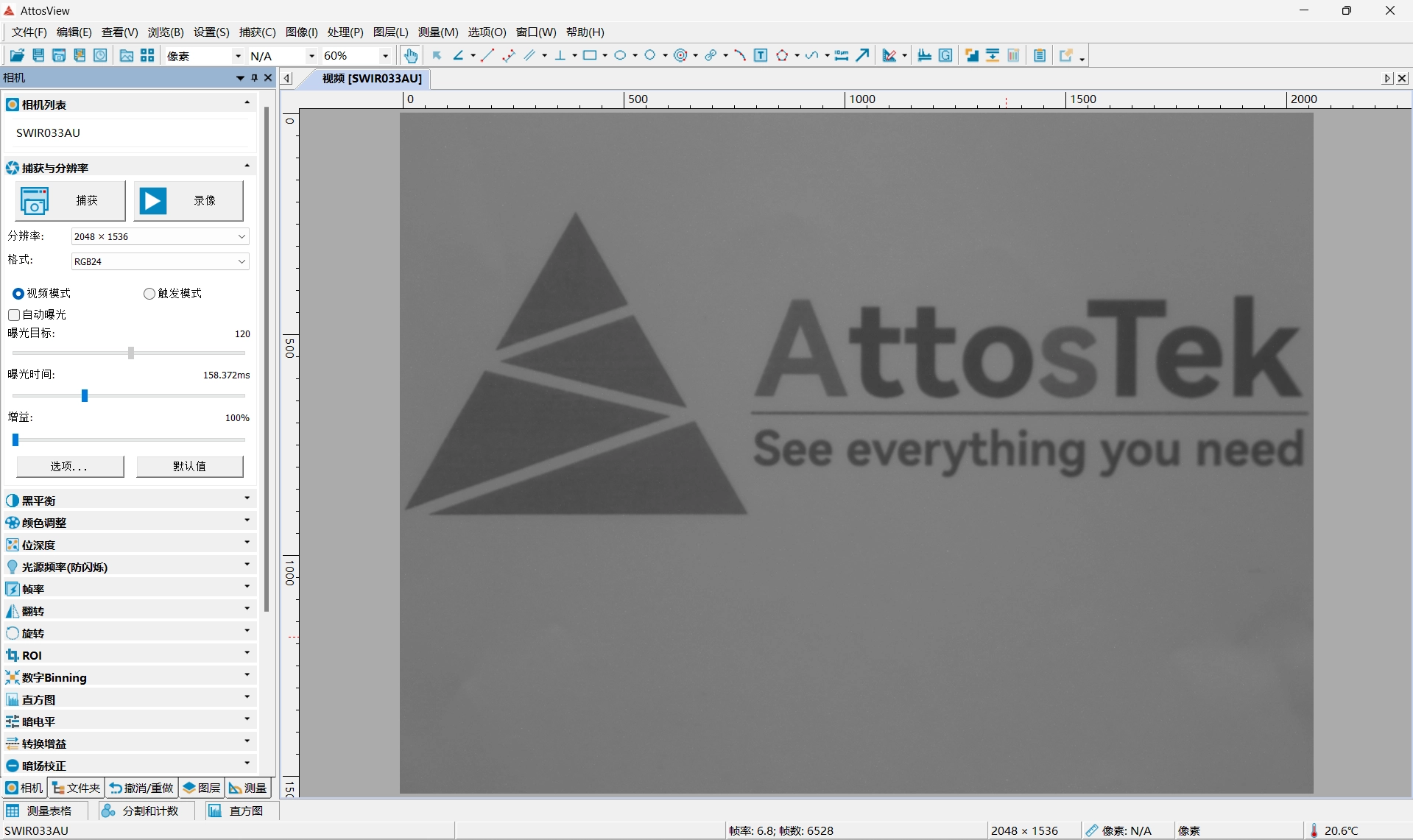
AttosView support all Attostek UV-VISion and SWIR cameras ,it is a professional software that integrates camera control, image acquisition and processing, image browsing and analysis functions.
AttosView has the following characteristics:
ascamsdk support a variety of APIs, including: Native C/C++,.NET/C#/VB.NET, Python, Java, DirectShow, Twain, LabView, Matlab, etc. Compared with other APIs, Native C/C++ API as a low-level API is characterized by using pure C/C++ development without relying on other runtime libraries. The interface is simple and the control is flexible.
The UVISI064 Series cameras supports a variety of third-party interface software to facilitate user integration and development. Specifically, it includes SDK and demo programs for LabVIEW and MATLAB, as well as DirectShow plugins, Micro-Manager plugins, and TWAIN SDK plugins. These enable seamless compatibility with mainstream development environments and third-party software, significantly streamlining system integration and secondary development workflows.
Support all Attostek UV-VISion and SWIR cameras.
Click the button below to download the camera software.
LabVIEW SDK and demo programs:
MatLab SDK demo program:
DirectShow plugin:
Micromanager plugin:
TWAIN SDK plugin:
AttosView Recommended System Requirements | |
Operating System | Microsoft® Windows® XP / Vista / 7 / 8 /10 /11(32 & 64 bit), Mac OSX, Linux |
Processor (CPU) | ≥3.0 GHz Intel Core i5 or Higher |
Memory (RAM) | ≥8 GB |
Hard Drive | NVMe Solid State Drive (SSD) |
Graphics Card | Dedicated Adapter with ≥256 MB RAM |
Motherboard | USB 3.0 (-USB) Cameras: Integrated Intel USB 3.0 Controller or One Unused One Unused PCle3.0*16 Slot |
Connectivity | Internet Connectivity for Driver Installation |
The image below shows the interface of the Attosview software. For more detailed information, please download the product manual.
High-sensitivity cameras are preferred because they can detect and capture extremely low light signals and enhance both image quality and experimental flexibility in digital microscopy, overcoming limitations in traditional microscopy.
A visible light camera is a type of imaging device designed to capture pictures or video using only the visible portion of the electromagnetic spectrum (approximately 400–700 nanometers in wavelength), which is the same range detectable by the human eye.
Ultra-low read noise: sCMOS read noise approaches 1 e⁻, far outperforming traditional CCDs.
High frame rate: Parallel readout architecture supports 100 fps or higher.
Wide dynamic range: Captures bright and dark regions simultaneously with ratios up to tens of thousands to one.
Large field of view and high resolution: Suits high-resolution, wide-field imaging.
They are used widely in biological microscopy, fluorescence imaging, fast object inspection, astronomy, X-ray imaging, cold atom research, and other precision-science scenarios.
| Model | VIS091CU- NC | VIS091MU-NC | VIS047CU-NC | VIS047MU-NC | VIS0312CU-NC | VIS0312MU-NC | VIS035CU-NC | VIS035MU-NC | VIS0220CU-NC | VIS0220MU-NC | VIS0326CU-NC | VIS0326MU-NC |
| Sensor model | Sony IMX432LQJ | Sony IMX432LLJ | Sony IMX428LQJ | Sony IMX428LLJ | Sony IMX304LQR-C | Sony IMX304LLR-C | Sony IMX264LQR | Sony IMX264LLR | Sony IMX541-AAQJ-C | Sony IMX541-AAMJ-C | Sony IMX571BQR-C | Sony IMX571BLR-J |
| Color Type | Color | Monochrome | Color | Monochrome | Color | Monochrome | Color | Monochrome | Color | Monochrome | Color | Monochrome |
| Target size | 1.1″ | 2/3” | 2/3” | 1.1″ | 1.1″ | 1.8’’ (APS-C) | ||||||
| pixel size | 9.0 µm x 9.0 µm | 4.5 µm x 4.5 µm | 3.45 µm x 3.45 µm | 2.74 µm x2.74 µm | 3.76 µm x 3.76 µm | |||||||
| resolution | 1.7MP | 1.7MP | 7.1MP | 7.1MP | 12.3MP | 12.3MP | 5MP | 5MP | 20.4MP | 20.4MP | 26MP | 26MP |
| Frame Rate | 98.6fps@1600 x 1100 | 51.4fps@3200 x 2200 133.8fps@1584 x 1100 | 23.4fps@4096 x 3000 46.3fps@2048 x 1500 46.3fps@1024 x 750 | 35.6fps@2448 × 2048 87.6fps@1224 × 1024 | 17.5fps@4496 × 4496 64.4fps@2240 × 2240 64.4fps@1120 × 1120 | 14fps@6224 x 4168(16bit) 37fps@3104 x 2084 110fps@2064 x 1388 | ||||||
| QE | 89%@610nm | 78%@575nm | TBD | 78%@575nm | TBD | 71%@575nm | TBD | 86%@520nm | TBD | TBD | ||
| Conversion Gain | 4.9 (e-/ADU) | 4.97 (e-/ADU) | 2.74 (e-/ADU) | 2.77 (e-/ADU) | 2.68 (e-/ADU) | 2.71 (e-/ADU) | 2.68 (e-/ADU) | 2.71 (e-/ADU) | 2.44 (e-/ADU) | 2.35 (e-/ADU) | 0.26e-(HCG) 0.78e-(LCG) | |
| Readout Noise | 4.53 (e-) | 4.76 (e-) | 2.54 (e-) | 2.63 (e-) | 2.11 (e-) | 2.12 (e-) | 2.11 (e-) | 2.12 (e-) | 2.22 (e-) | 2.19 (e-) | 1.03e-(HCG) 2.4e-(LCG) | |
| Full Well | 20.1 (ke-) | 20.4 (ke-) | 11.2 (ke-) | 11.3 (ke-) | 11.0 (ke-) | 11.1 (ke-) | 11.0 (ke-) | 11.1 (ke-) | 10.0 (ke-) | 9.6 (ke-) | 17022.88e-(HCG) 51129.19e-(LCG) | |
| SNR | 43dB | 40.5dB | 40.6dB | 40.4dB | 40.5dB | 40.4dB | 40.5dB | 40.0dB | 42.31dB(HCG) 47.09dB(LCG) | |||
| Dynamic Range | 72dB | 84.42dB (HCG) 86.58dB (LCG) | ||||||||||
| Shutter mode | Global shutter | Rolling shutter | ||||||||||
| Binning mode | Software2×2, 3×3, 4×4 | Hardware 2×2; Software 2×2, 3×3, 4×4 | Hardware 2×2,3×3;Software 2×2,3×3,4×4 | |||||||||
| Sensitivity | 4910mV/(lx·s) | 8100mV/(lx·s) | 2058mV/(lx·s) | 3354mV/(lx·s) | 1146mV/(lx·s) | 1830mV/(lx·s) | 1146mV/(lx·s) | 1830mV/(lx·s) | 1574mV/(lx·s) | 2649mV/(lx·s) | 484.5 mV/(lx·s) | 870.9 mV/(lx·s) |
| Dark current | 0.3mv | 0.15mV | 0.07 mV | |||||||||
| Exposure time range | 6µs-15sec | 30µs-15sec | 15us-15sec | 30µs-15sec | 150us-15sec | |||||||
| Power consumption | 2.5W | 2.75W | 2.8W | 2.25W | 2.05W | 2.05W | 2.6W | 4.15W | ||||
| Weight | 228g | 227g | 219g | 227g | 540g | |||||||
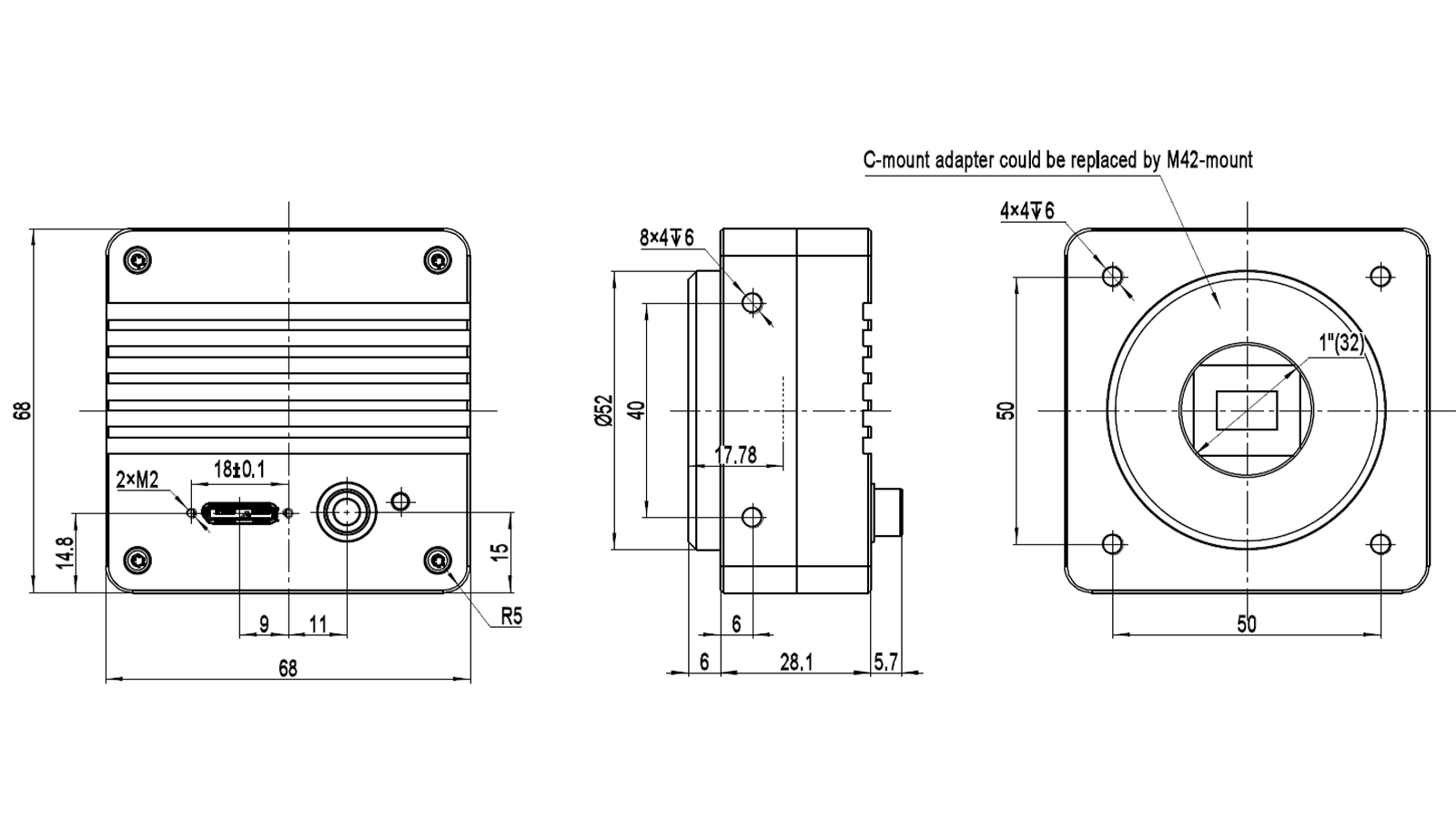
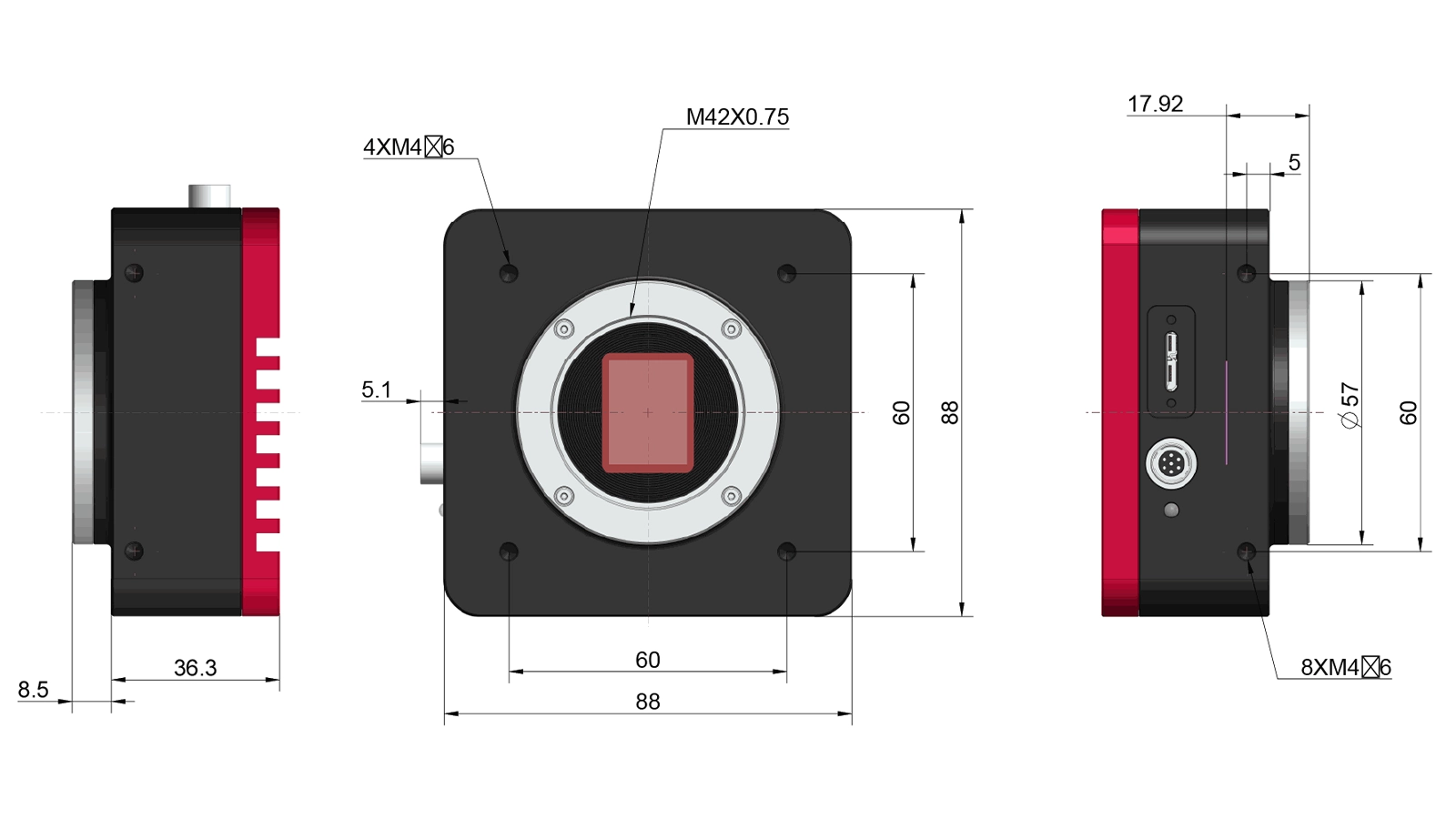
| Size | 68mmx68mmx28.1mm | 88mmx88mmx36.3mm | ||||||||||
| Lens mount | C-mount | M42 Interface | ||||||||||
AttosView offers an optional YLGD series continuous zoom optical system for visible light cameras, designed specifically for high-precision imaging scenarios. The YLGD series continuous zoom optical system series provides multiple focal length options and is suitable for various professional applications such as security surveillance, industrial vision inspection, and scientific observation, ensuring excellent image clarity, operational flexibility, and environmental adaptability. For inquiries, please contact sales@attostek.com