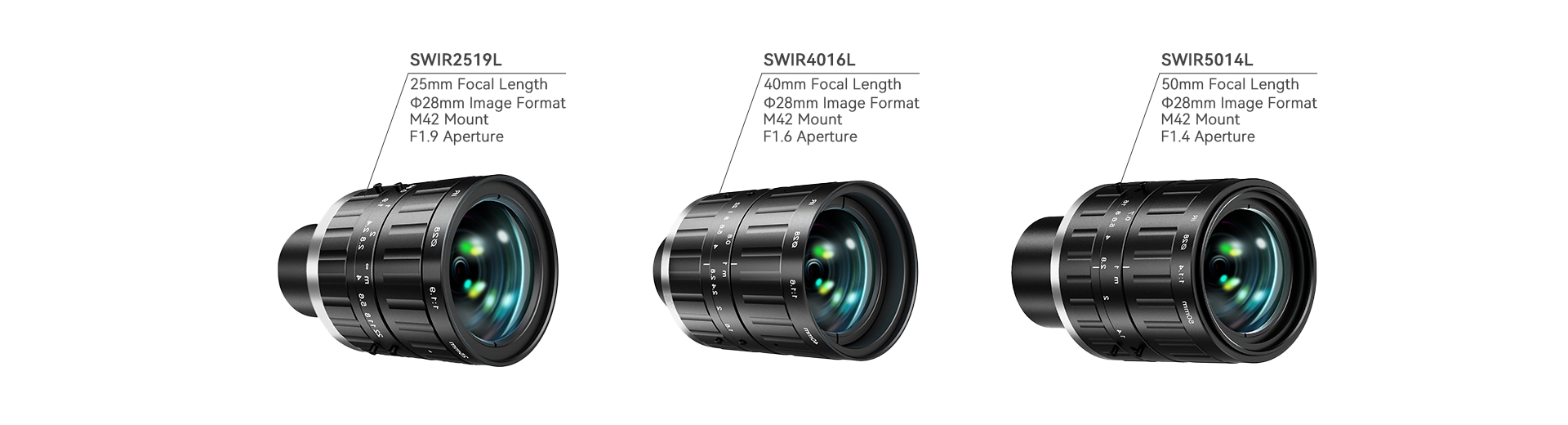
To meet the diverse application needs of short-wave infrared (SWIR) imaging, Attostek has launched a series of high-performance SWIR lenses. The SWIR lenses with M42 optical mount feature a focal length range of 25 mm to 50 mm and come standard with large apertures of F1.4/F1.6/F1.9 (with a 28.6 mm adapter ring included as standard), ensuring high signal-to-noise ratio and excellent image quality even under low-light conditions. Users can flexibly select the appropriate model according to their requirements for field of view, working distance, and resolution. This series of lenses provides high sensitivity and outstanding scene adaptability for SWIR cameras in applications such as security surveillance, industrial inspection, and scientific research.
M42 Mount SWIR Fixed Lens
-
Focal length options: 25 mm / 40 mm / 100 mm
-
Aperture options: F1.4, F1.6, F1.9
-
Compatible sensor format: Φ28 mm
-
Aperture control: Adjustable iris
-
Standard M42 mount: Directly compatible with the SWIR151B series SWIR cameras
-
Spectral range: Optimized for the 900–1700 nm SWIR band
| Model | SWIR2519L | SWIR4016L | SWIR5014L |
| Image Format | Φ28mm | ||
| Mount | M42 | ||
| Focal Length | 25mm | 40mm | 50mm |
| Aperture | F1.9 | F1.6 | F1.4 |
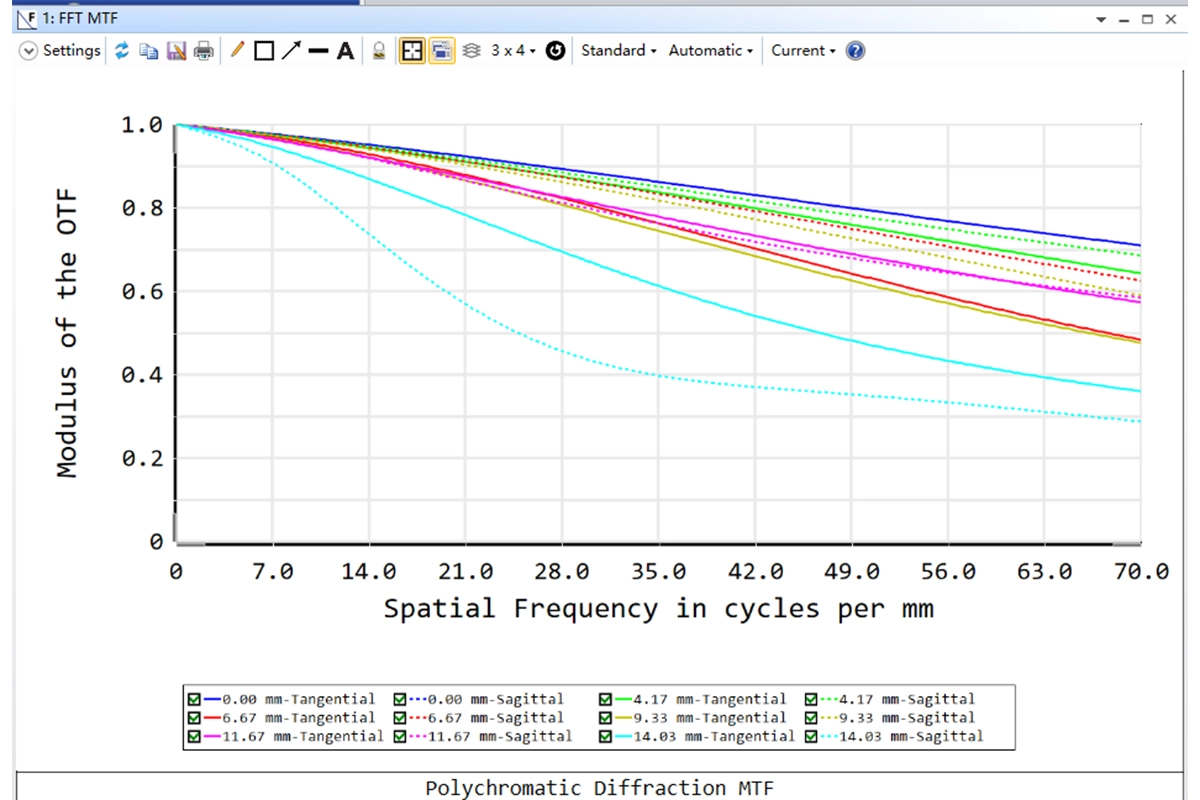
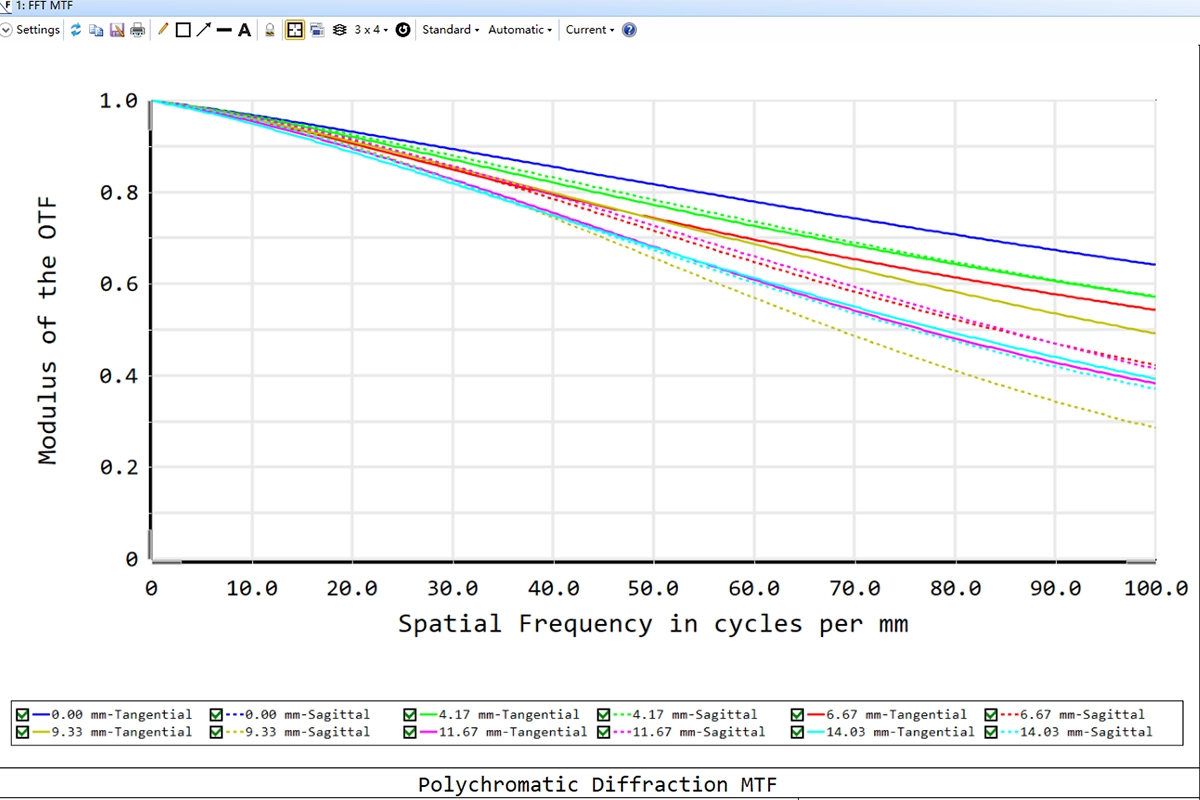
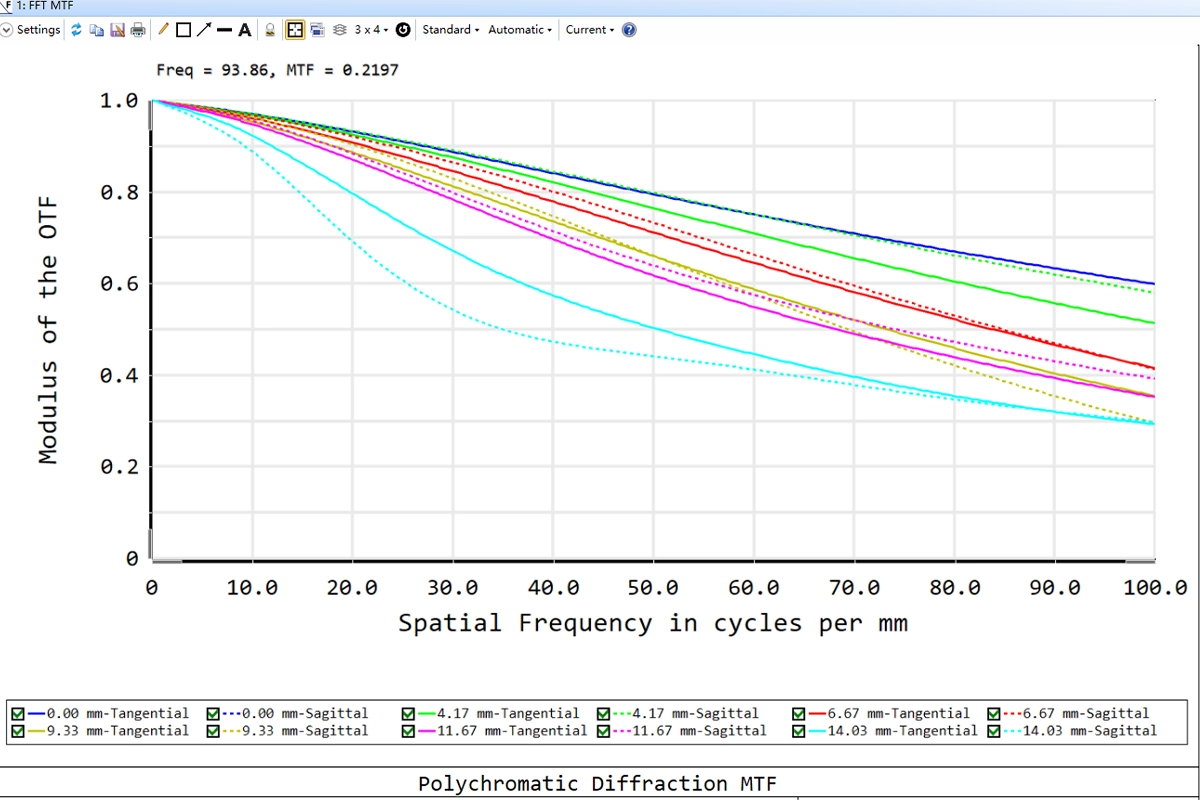
| Resolution | 70lp | 120lp | 100lp |
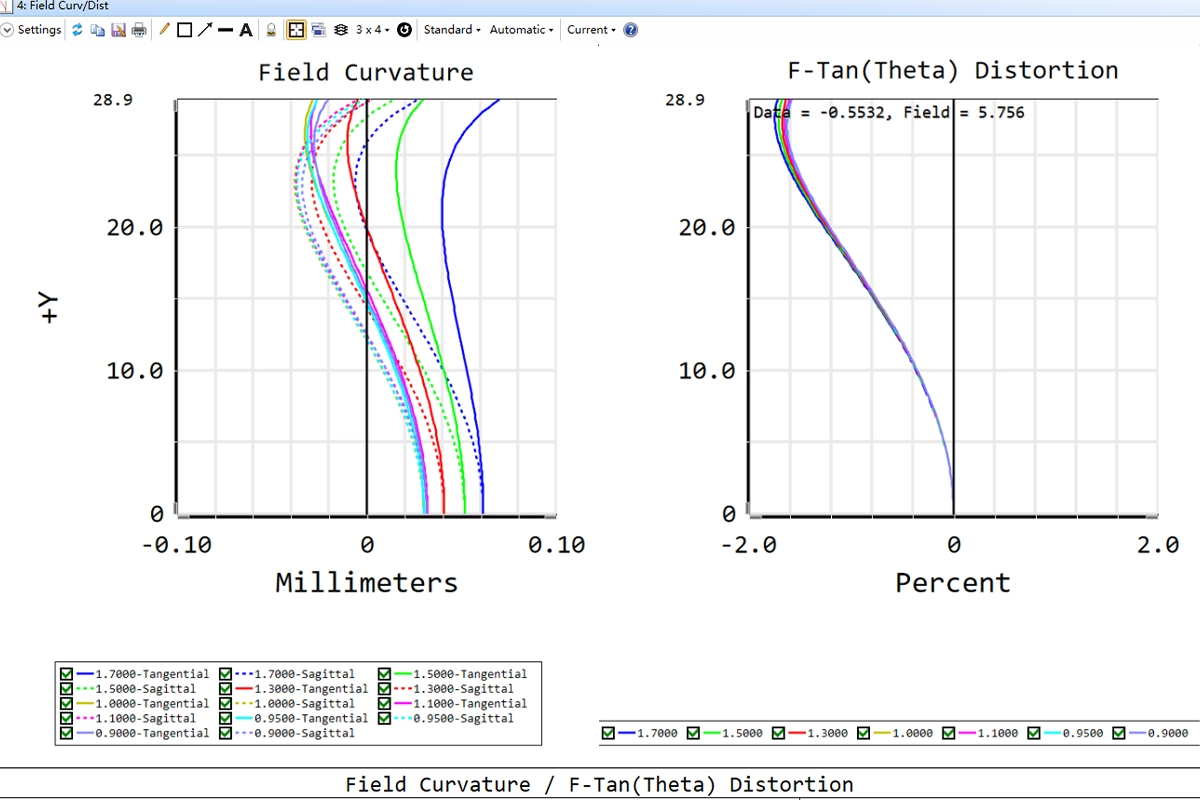
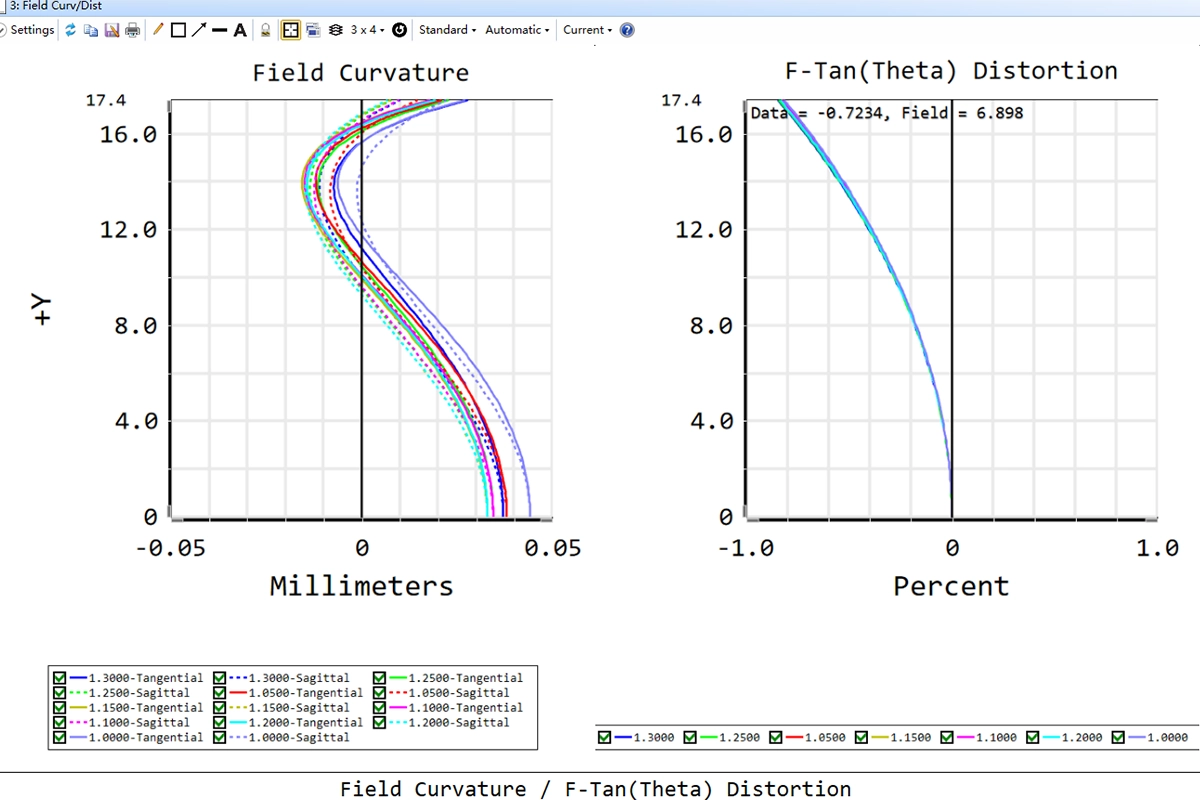
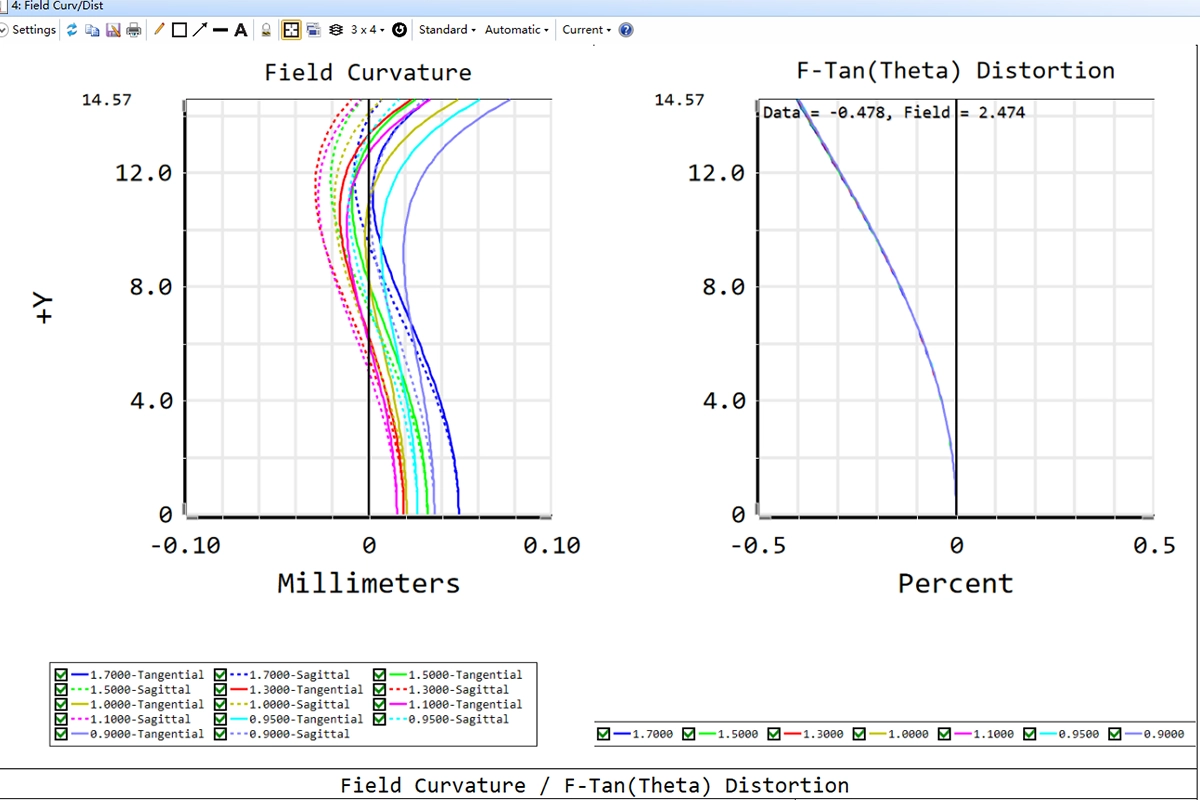
| Distortion | ≤1.6% | ≤-0.8% | ≤1.5% |
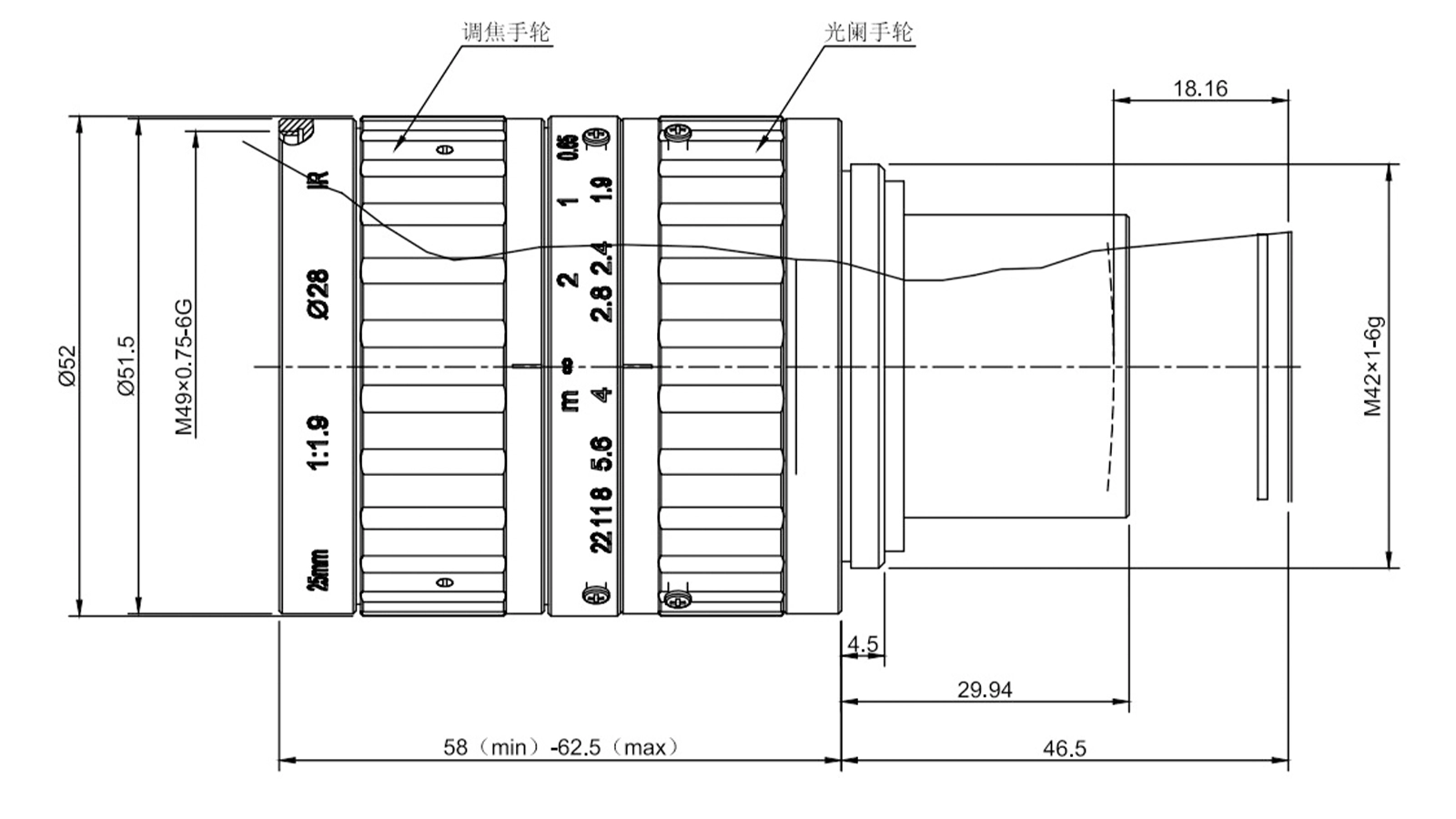
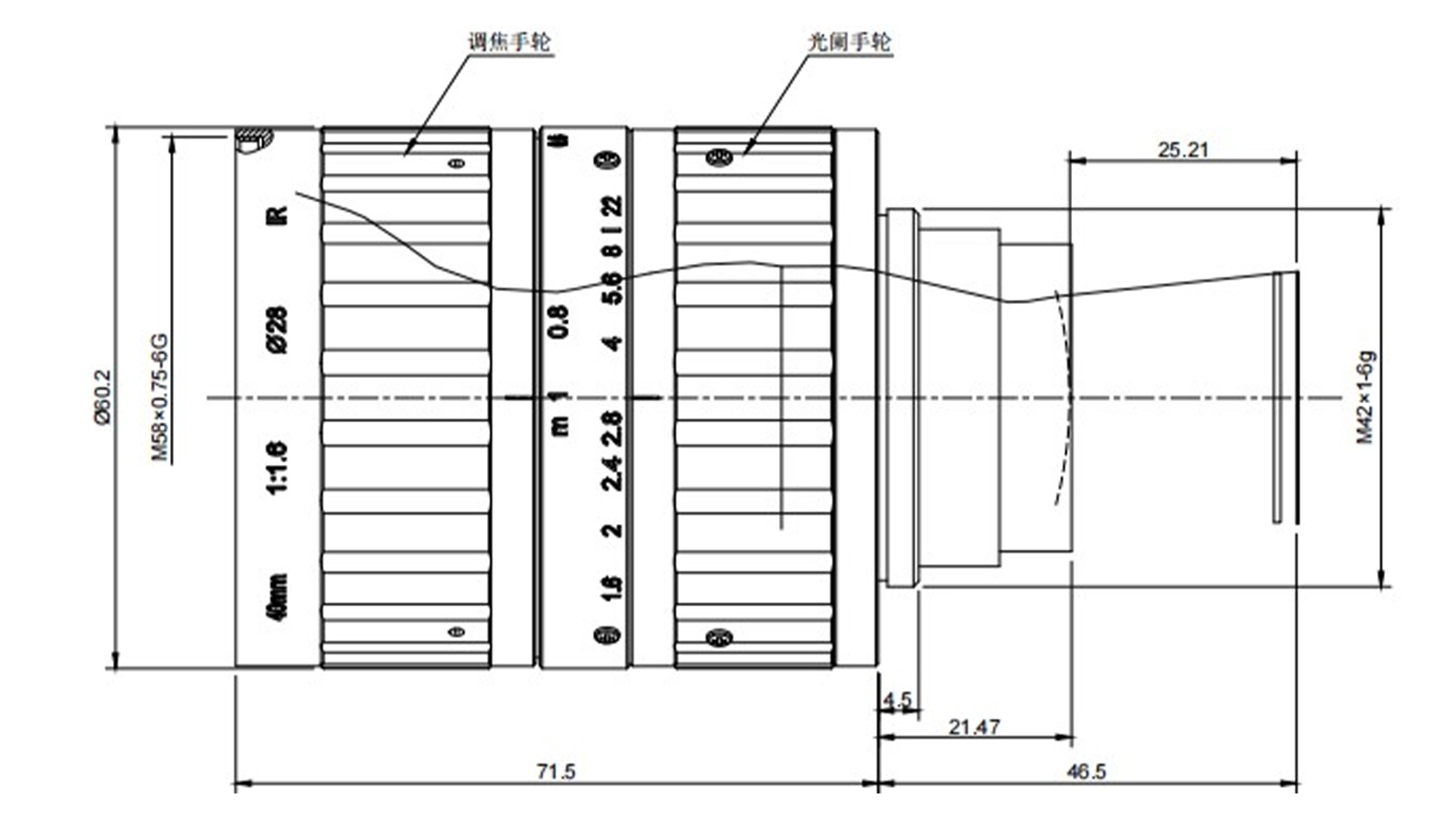
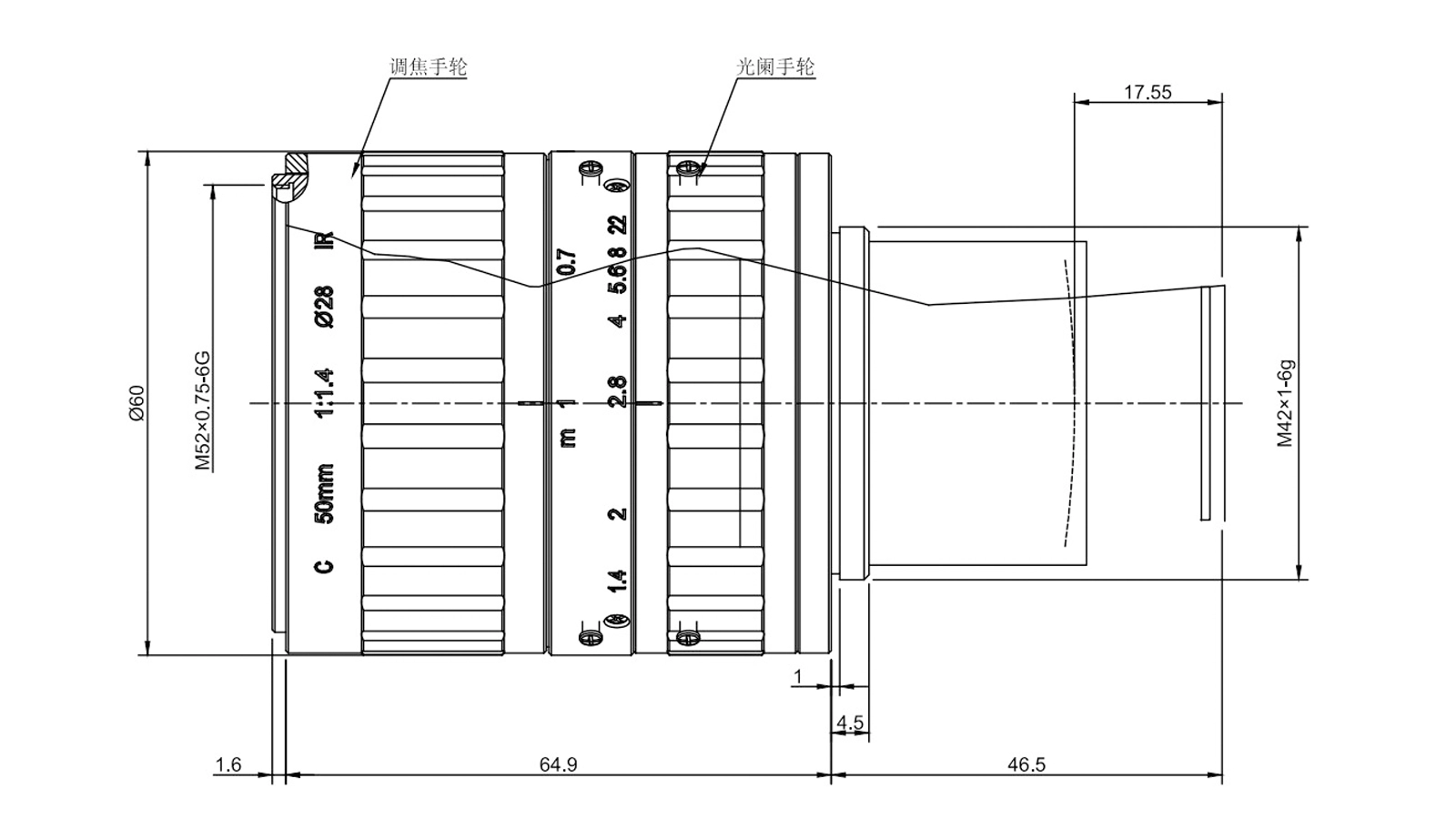
| Back Focus Length | 18.16mm | 25.21mm | 17.55mm |
| FOV | 58° | 37° | |
| Working Distance Range | 0.2 – ∞m | 0.25 – 1m | 0.43 – 1m |
| Dimension | Φ52×62.5mm | Φ60.2×71.5mm | Φ60×64.9mm |
| Filter Thread | M49×0.75mm | M58×0.75mm | M52×0.75mm |
| Flange Focus Length | 46.5mm | ||
| Wavelength | 900-1700nm | ||
| Iris Type | Adjustable Aperture | ||
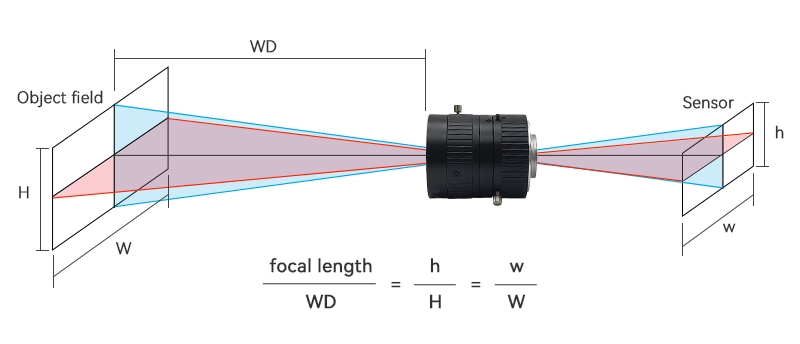
Focal length refers to the distance between the optical center (rear principal point) of a lens and its imaging focal point, serving as a key performance parameter of the lens. It determines the angle of view: the shorter the focal length, the wider the field of view and the broader the observable range; the longer the focal length, the narrower the field of view and the more concentrated the observation area.
The aperture controls the amount of light entering the lens—a larger aperture results in a brighter image. This parameter directly affects exposure time and, consequently, the camera’s response speed. In daytime shooting, if the light is too strong, the aperture can be narrowed to prevent overexposure; at night or in low‑light conditions, the aperture can be widened to increase light intake, ensuring optimal imaging performance under varying lighting conditions.
The optical lens interface refers to the standardized mechanical mount connecting a lens to a camera body, determining compatibility and ensuring precise alignment for correct optical focus onto the image sensor. In industrial applications, C-mount and CS-mount are generally employed with cameras featuring smaller sensor sizes, while F-mount is typically used for larger sensors. Additional interfaces commonly found in line-scan cameras include M42, M58, and M72 mounts—essentially threaded connections of specified diameters.
C-mount lenses represent the established standard in machine vision, compatible with cameras housing image sensors up to approximately 20 mm (1.5 inches) in diagonal dimension. This interface supports a wide array of specifications across focal lengths, resolutions, and working distances.
When used with a larger sensor, the edges of the sensor extend beyond the lens’s image circle, resulting in dark corners or black borders around the photo.
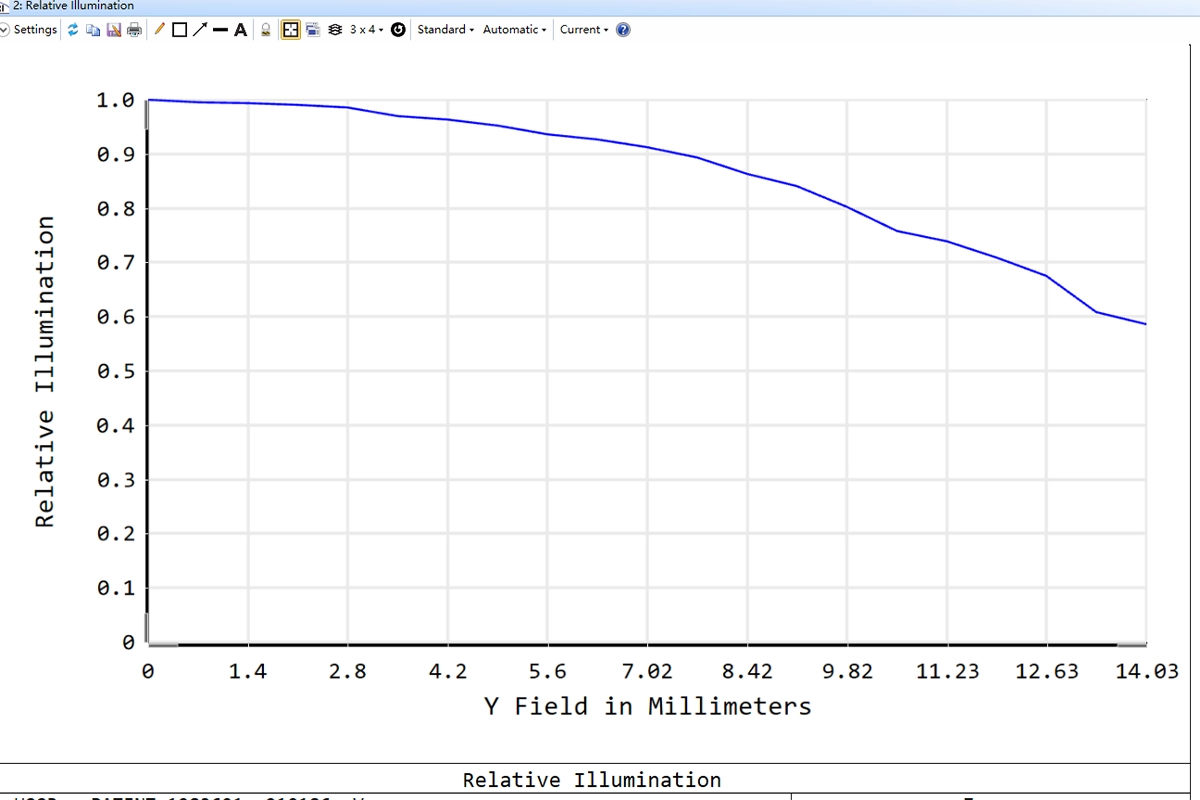
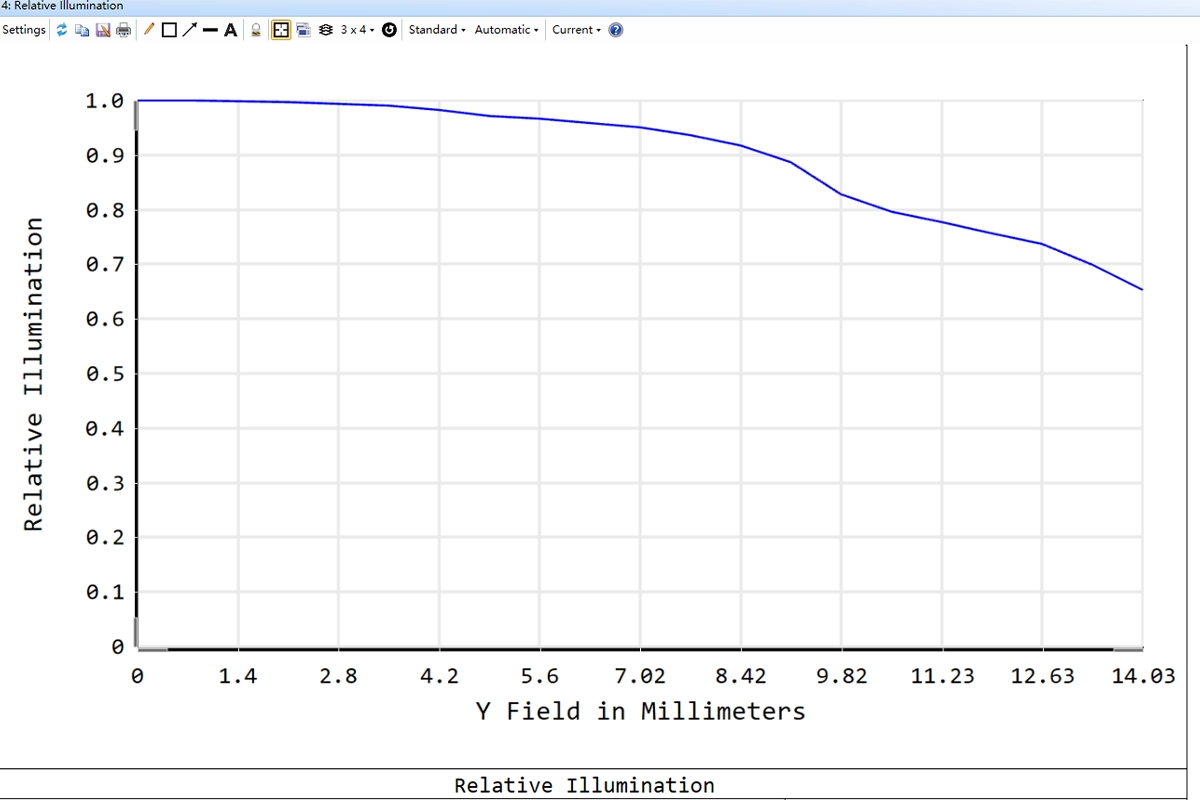
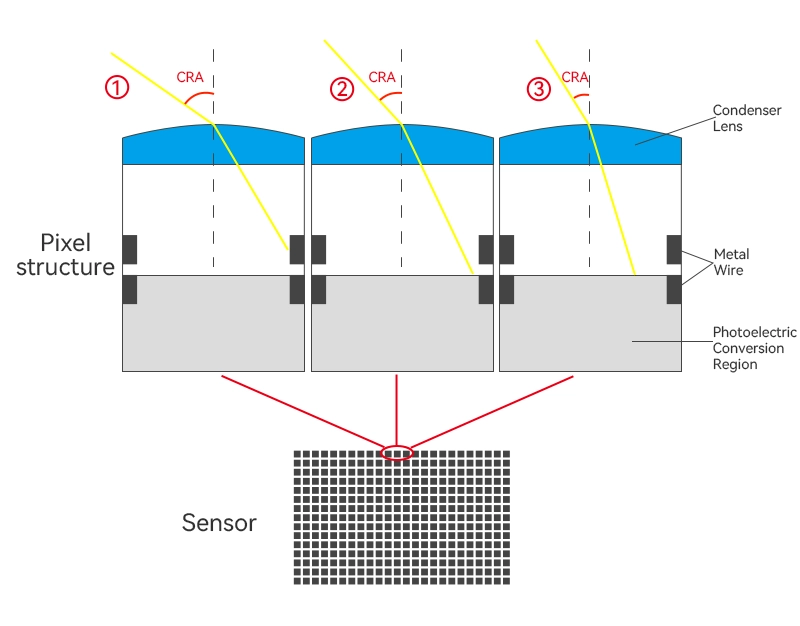
To ensure optimal imaging performance, it is generally required that the lens CRA should match the sensor CRA, with the lens CRA not exceeding that of the sensor.
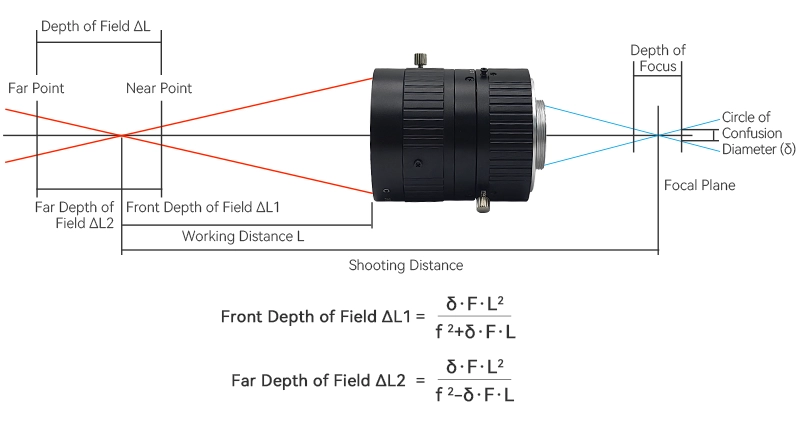
Three primary factors influence depth of field: aperture size, working distance, and lens focal length. Increasing the depth of field can be achieved by:
- Reducing the aperture size (i.e., using a larger f-number)
- Increasing the working distance
- Using a lens with a shorter focal length
Q1:How to choose among three M42 SWIR lenses?
The SWIR2519L lens has a working distance from 0.2m to infinity and a 58° field of view, which is the widest among the three; it’s suitable for wide-area, long-distance shortwave infrared detection scenarios.
The SWIR4016L lens has a working distance of 0.25–1m and a 37° field of view, with better distortion; it’s suitable for medium-distance inspections.
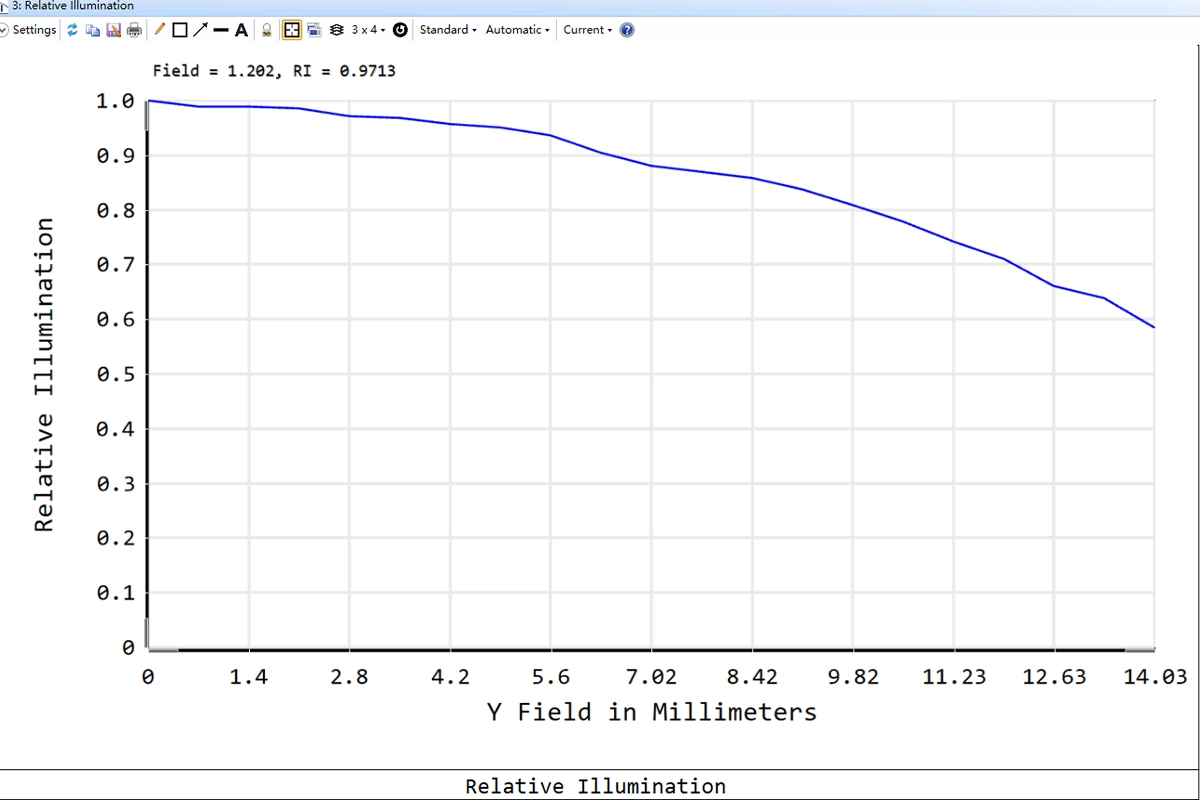
The SWIR5014L lens has a large F1.4 aperture, giving it the strongest light intake, with a working distance of 0.43–1m; it’s ideal for observing local details in low-light conditions.Q2:What's the main difference between M42 and C-mount lenses?
The flange focal length for C-mount is 17.526mm, mostly used for small to medium sensor cameras. M42 screw mounts have a flange focal length of 46.5mm, supporting larger sensors and are often used for line scan cameras besides area scan cameras. Their mechanical and optical standards are different, so they can’t be directly swapped and require special adapters.
Q3:Can this lens be used if the shortwave infrared camera's target surface is smaller than Φ28mm? What happens if the target surface is larger than Φ28mm?
If the shortwave infrared camera’s target surface is smaller than Φ28mm, the lens’s imaging circle can fully cover the chip, so imaging works normally. In this case, only the central area of the imaging circle is used, which means the actual field of view will be narrower and the visible area smaller, but it won’t damage the lens.
If the shortwave infrared camera’s target surface is larger than Φ28mm, the edges of the chip go beyond the lens’s imaging circle, so you’ll see dark corners or black borders around the image, and the edge image quality may drop. This won’t damage the lens, but the lens can’t fully cover the sensor, so you won’t get complete edge imaging.