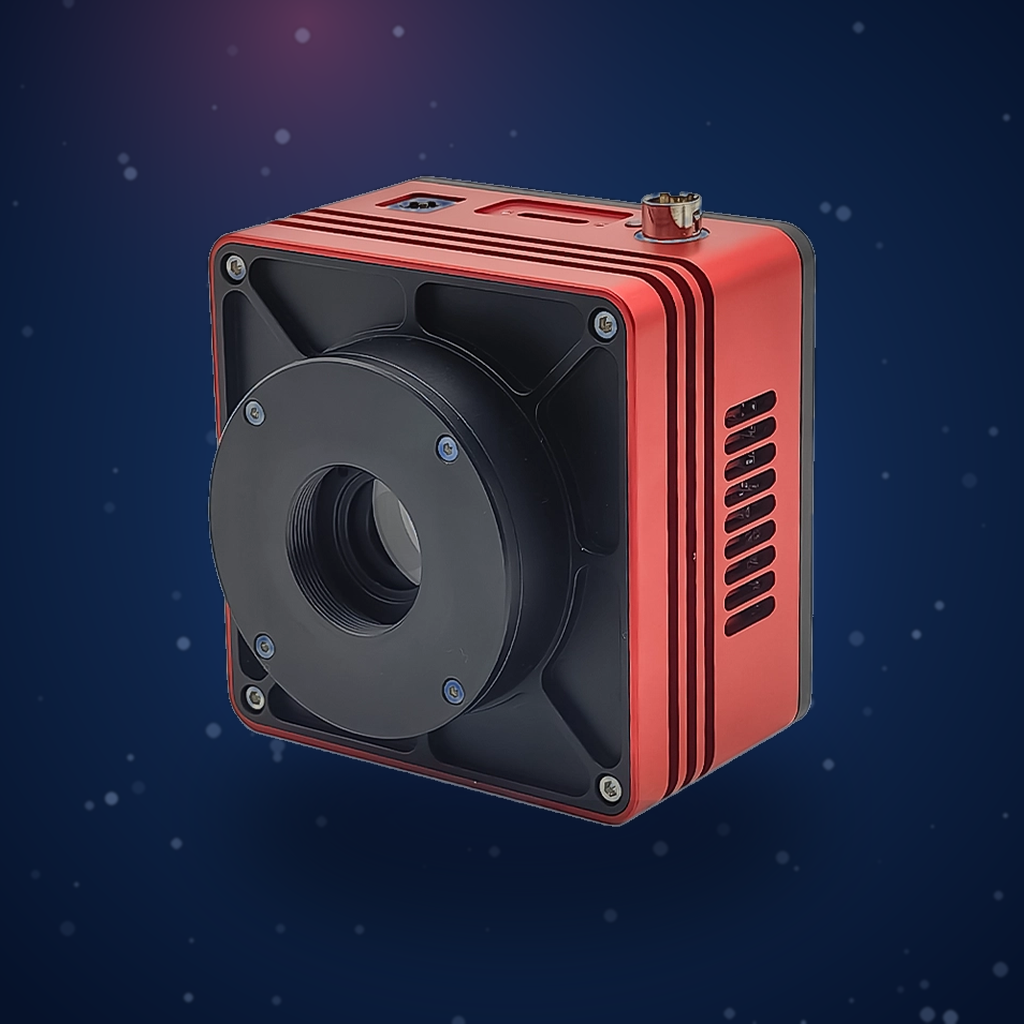
Attostek high-performance imaging systems provide professional pharmaceutical R&D and component detection solutions for pharmaceutical companies through high-resolution imaging technology and intelligent image analysis software, ensuring drug quality control and regulatory compliance while accelerating new drug development processes.
Solution Background:
Pharmaceutical companies maintain extremely stringent requirements for developing new drugs and improving drug quality. To accelerate the drug development process and improve component detection efficiency in production, demand for precision imaging equipment increases significantly. High-performance imaging systems can provide support for pharmaceutical R&D and component detection, ensuring the ability to meet customers’ rigorous requirements in research and development and production.
Technical Advantages:
High-Resolution Imaging: Cameras provide high-detail pharmaceutical sample images, revealing component structures and potential impurities, which is crucial for new drug development and component quantification. Rapid processing capabilities ensure high-speed scanning and analysis, significantly reducing image processing time, accelerating detection processes, and thereby improving production efficiency.
Intelligent Image Analysis: Camera-accompanying image software enables automatic image capture, analysis, and report generation, simplifying workflows and reducing the possibility of human error. Based on customers’ existing workflows and requirements, customizable hardware and software solutions are provided to ensure compatibility with customers’ other equipment.
Compliance Assurance: Camera system design complies with relevant regulations such as FDA 21 CFR Part 11 electronic records standards, ensuring compliance in pharmaceutical development processes and data integrity. Systematic recording of all data and analytical processes improves audit preparation efficiency and compliance.
Advantages of Introducing Imaging Systems:The introduction of imaging systems brings significant improvements in R&D efficiency. Due to rapid and precise acquisition of experimental data, researchers can innovate and validate new drug candidates more quickly. Accurate and consistent component analysis ensures drug quality and efficacy, establishing higher quality assurance standards and reducing risks of drug recalls and market complaints. In strengthening regulatory compliance, the system provides comprehensive data recording and analysis process tracking, significantly improving audit preparation efficiency and compliance.