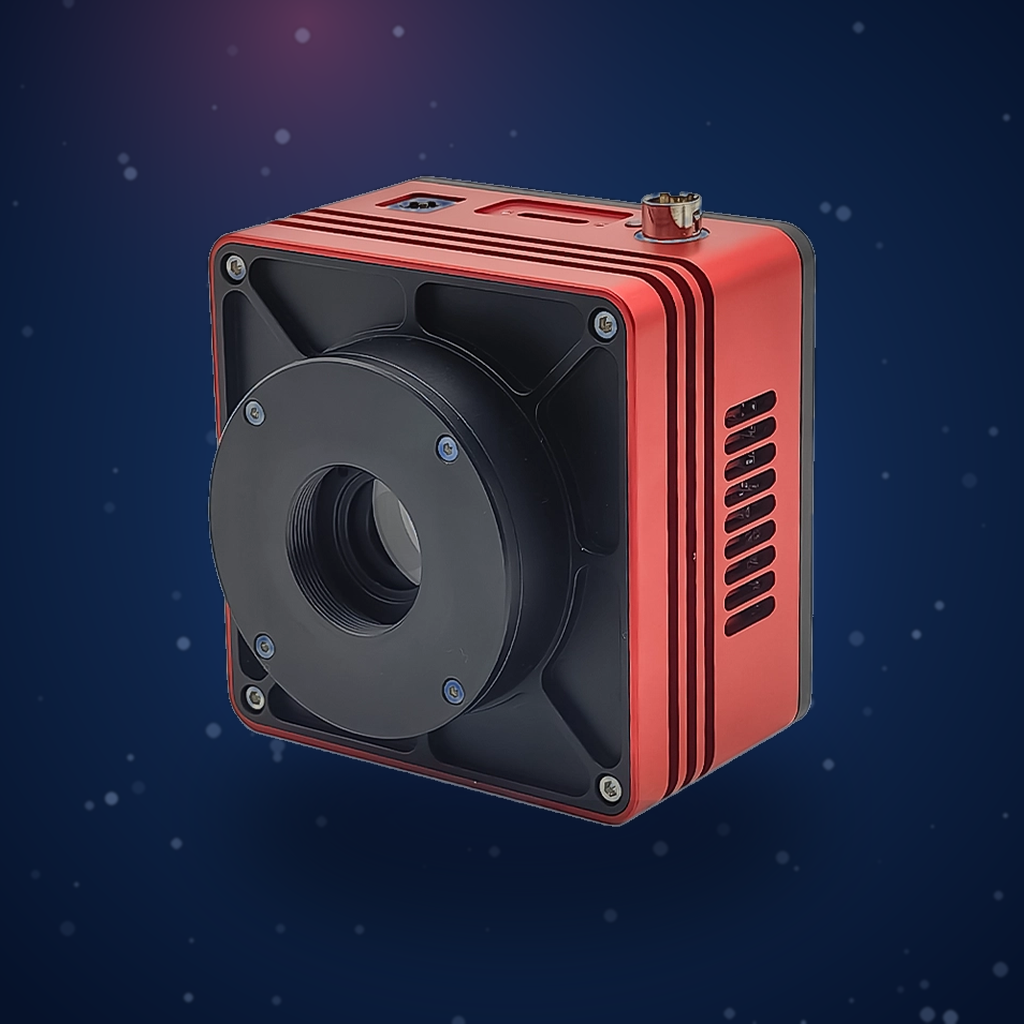
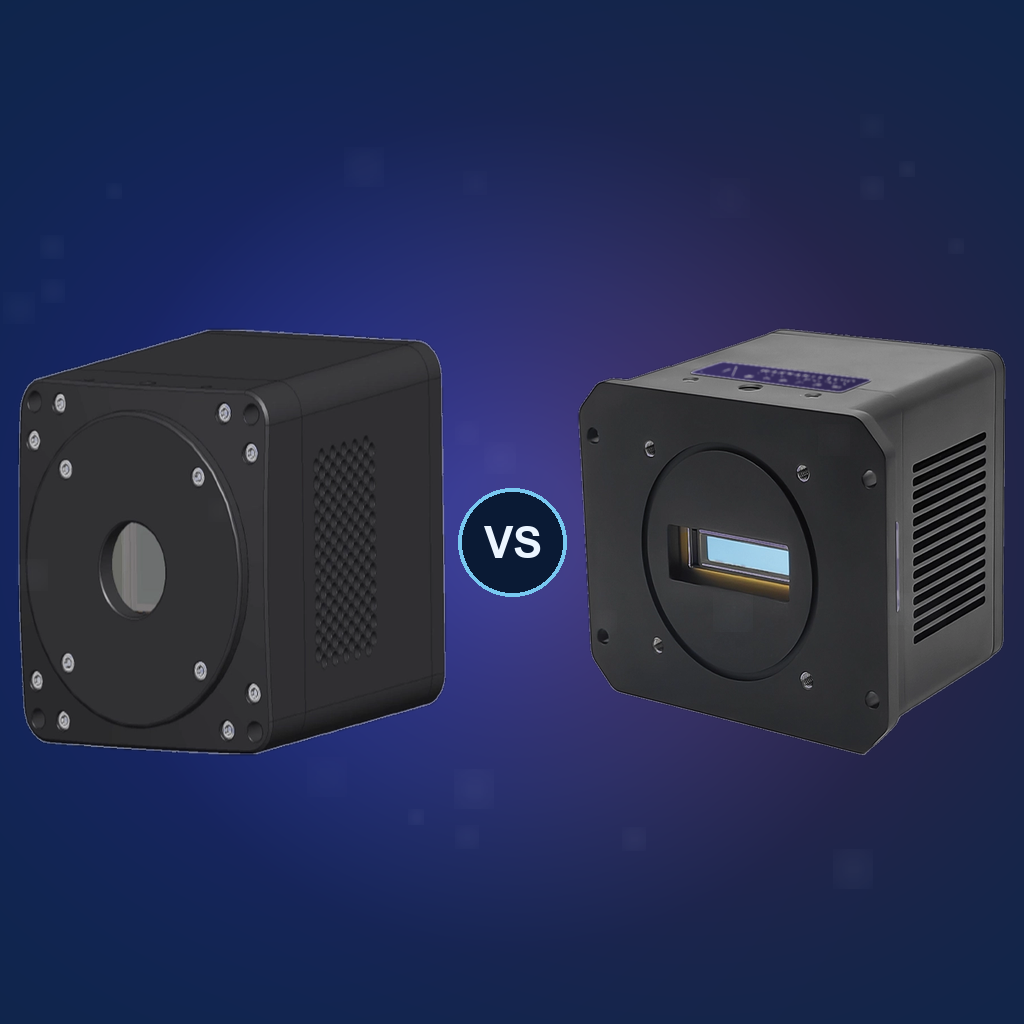
Short-wave infrared (SWIR) cameras can capture light in the 400–1700 nm band, a spectral range invisible to the human eye. Unlike visible-light cameras, SWIR cameras can penetrate haze, dust, and certain materials, enabling precise imaging in harsh environments. These cameras are widely used in industries such as industrial manufacturing, scientific research, agriculture, and security.
Main Applications of SWIR Cameras
1. Industrial Inspection
SWIR cameras are ideal tools for quality control in manufacturing environments:
- Semiconductor inspection: Detecting micro-defects in silicon wafers, solder joints, and chips.
- Electronics production: Identifying component misalignment or material inconsistencies.
2. Food and Agriculture
SWIR imaging can distinguish subtle differences in organic materials:
- Food sorting: Detecting bruises, foreign objects, or ripeness in fruits and vegetables.
- Crop analysis: Efficiently assessing moisture content and plant health.
3. Scientific Research
SWIR cameras support advanced research:
- Material analysis: Distinguishing different chemical compositions.
- Biomedical imaging: Enabling non-invasive imaging through tissue layers.
4. Security and Surveillance
- Automotive night vision: High-contrast monitoring in low-light and nighttime conditions.
- Traffic monitoring: Detecting objects through smoke or fog.
- Long-range observation: Military imaging systems.
Advantages of SWIR Cameras
| Feature | SWIR Cameras | Visible/NIR Cameras |
|---|---|---|
| Haze and Smoke Penetration | High | Low |
| Material Discrimination | Precise | Limited |
| Low-Light Imaging Performance | Excellent | Average |
| Invisible Light Imaging Band | 400–1700 nm | 300–1000 nm |
SWIR cameras can reveal details that other sensors cannot see, making them indispensable in precision applications.
How to Choose the Right SWIR Camera
When selecting a SWIR camera, consider the following:
- Spectral range: Ensure it covers the materials or defects you need to detect.
- Resolution and frame rate: Match the speed and detail requirements of your process.
- Interface and integration: Check compatibility with your automation or data systems.
| Model | Wavelength | Resolution | Primary Applications |
|---|---|---|---|
| SWIR051AU | 400–1700 nm | 1280×1024 | Semiconductor wafer inspection, material discrimination |
| SWIR151BU | 900–1700 nm | 1024×1024 | Industrial inspection |
| SWIR1503BU | 900–1700 nm | 640×512 | Fluorescence detection |
| SWIR051AU-NC | 400–1700 nm | 1280×1024 | High-speed dynamic detection |
A fruit processing plant in California introduced a SWIR camera system to improve quality control on its high-speed sorting line. Traditional visual inspection often missed small internal bruises, while the SWIR system captured short-wave infrared images that revealed hidden defects. As a result, the detection rate of bruised fruit increased by 25%, sorting efficiency was improved, fewer defective fruits reached consumers, and overall product quality and customer satisfaction were enhanced.
Frequently Asked Questions
Q: Why choose SWIR instead of a near-infrared (NIR) camera?
A: SWIR covers longer wavelengths than NIR, enabling better wafer inspection and haze penetration capability.
Q: Can SWIR cameras see through smoke or fog?
A: Yes. SWIR wavelengths scatter less than visible light, improving imaging clarity in low-visibility environments.
Q: Which industries benefit most from SWIR imaging?
A: Semiconductors, food and agriculture, industrial inspection, scientific research, and security.