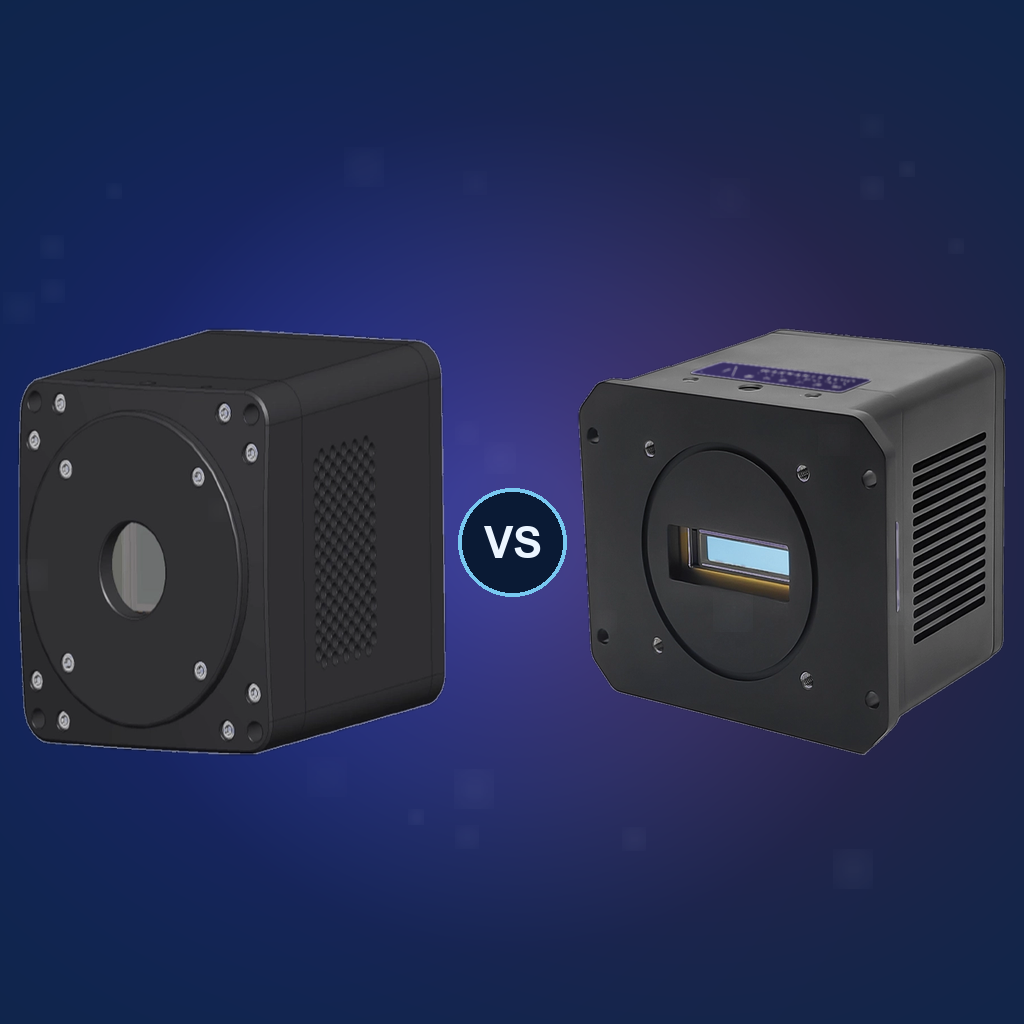
A higher camera frame rate is not always better. The choice of frame rate requires a trade-off between dynamic detail, data volume, lighting conditions, power consumption, and cost to select a camera with an appropriate frame rate.
First, What Is Frame Rate?
Frame rate refers to the number of image frames a camera can capture and output per second, measured in fps (frames per second). Simply put, the higher the frame rate, the more images are recorded per unit of time, resulting in higher temporal resolution and richer dynamic details. Conversely, a lower frame rate may cause the footage to appear choppy or laggy. Frame rate not only determines the smoothness of video but also directly impacts shooting results and data processing efficiency.
The human eye generally perceives video at 24–30 fps as “smooth,” but this is only the minimum requirement for visual perception. In professional imaging and machine vision, frame rate selection often far exceeds this range, from a few frames per second to thousands of frames per second, to meet the demands of different scenarios for temporal precision. High frame rates provide a better visual experience but also introduce greater data processing demands and storage pressure.
High Frame Rate Cameras: Capturing Instantaneous Dynamic Details
High frame rate cameras typically refer to devices with frame rates above 100 fps, or even up to thousands or tens of thousands of fps. Their core advantage is the ability to record fast motion in extremely short time intervals and replay the process in slow motion to reveal fine details.
Suitable Scenarios:
- Industrial Automation and Quality Inspection – On high-speed production lines, such as electronic component placement and pharmaceutical packaging, products move at very high speeds. High frame rate cameras can clearly capture moving targets, helping vision systems detect defects, locate marks, or read barcodes in real time, avoiding misjudgment caused by motion blur.
- Scientific Research and Biomechanics – When studying high-speed physical phenomena (such as droplet impact, material fracture, spark discharge) or rapid animal movements (such as hummingbird wing flapping, frog predation), ordinary cameras cannot capture the critical moments. High frame rate cameras can “slice” time and provide precise image sequences required for quantitative analysis.
Low Frame Rate Cameras: A Balance Between Long Battery Life and High Image Quality
Low frame rate cameras generally refer to devices with frame rates below 30 fps or those operating in time-lapse mode. Their advantages include smaller data volume, lower power consumption, and the ability to use longer exposure times under low-light conditions to obtain brighter and cleaner images.
Suitable Scenarios:
- Security Surveillance and Battery-Powered Devices – For environments that do not require real-time viewing of high-speed motion (such as warehouses, construction sites, wildlife observation points), low frame rate cameras can significantly save storage space and power. Many smart doorbells or outdoor trail cameras use recording modes of 5–15 fps, which provide basic monitoring capability while maintaining months of battery life.
- Extremely Low-Light Conditions – In astronomical observations of starry skies, auroras, or deep-sky objects, the ambient light is extremely dim, necessitating long single-frame exposure times. In such cases, the frame rate is naturally low, but the resulting images have high signal-to-noise ratio and low noise—something high frame rate cameras cannot achieve.
How to Choose Frame Rate Based on Requirements?
If you need slow-motion analysis, fast-moving object tracking, or reduction of motion blur, a high frame rate camera is necessary. For long-term time-lapse photography, battery-powered surveillance devices, extremely low-light conditions, or simple scene viewing, a low frame rate camera suffices.
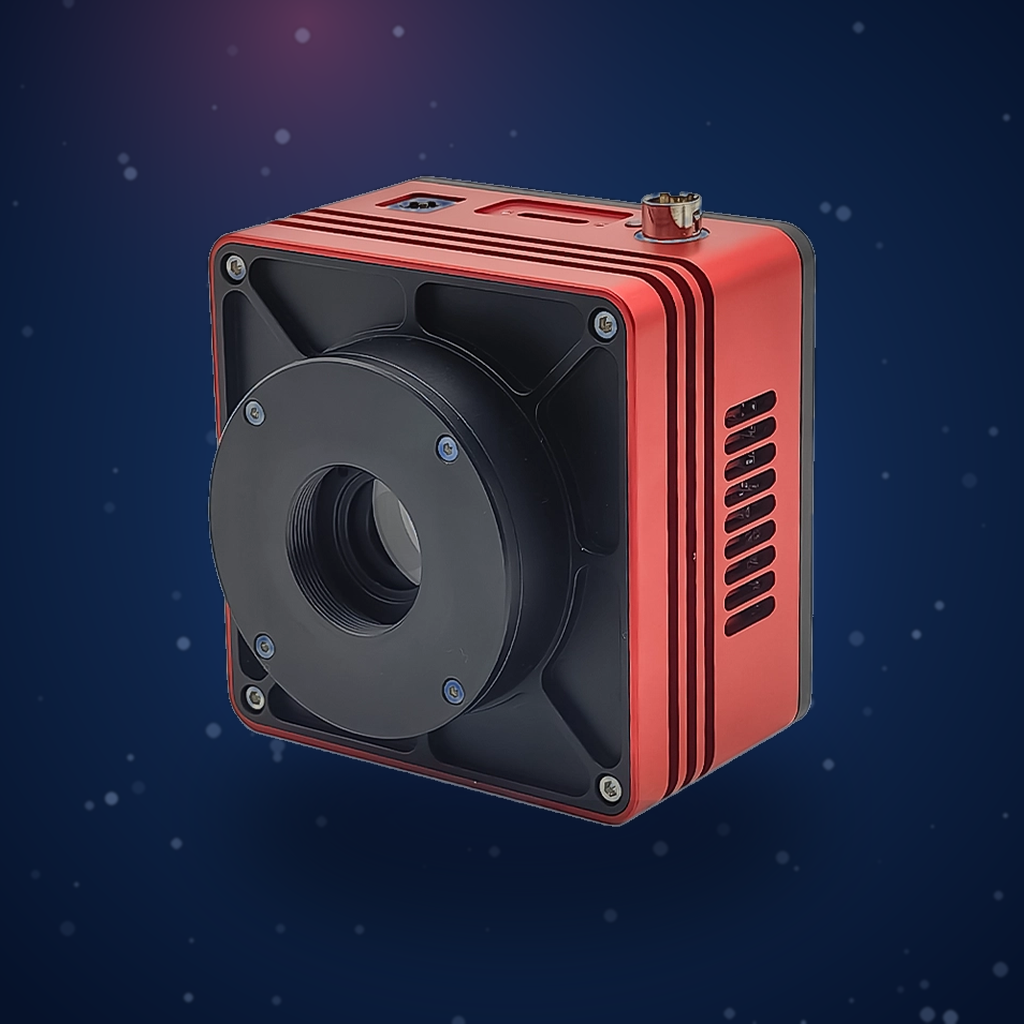
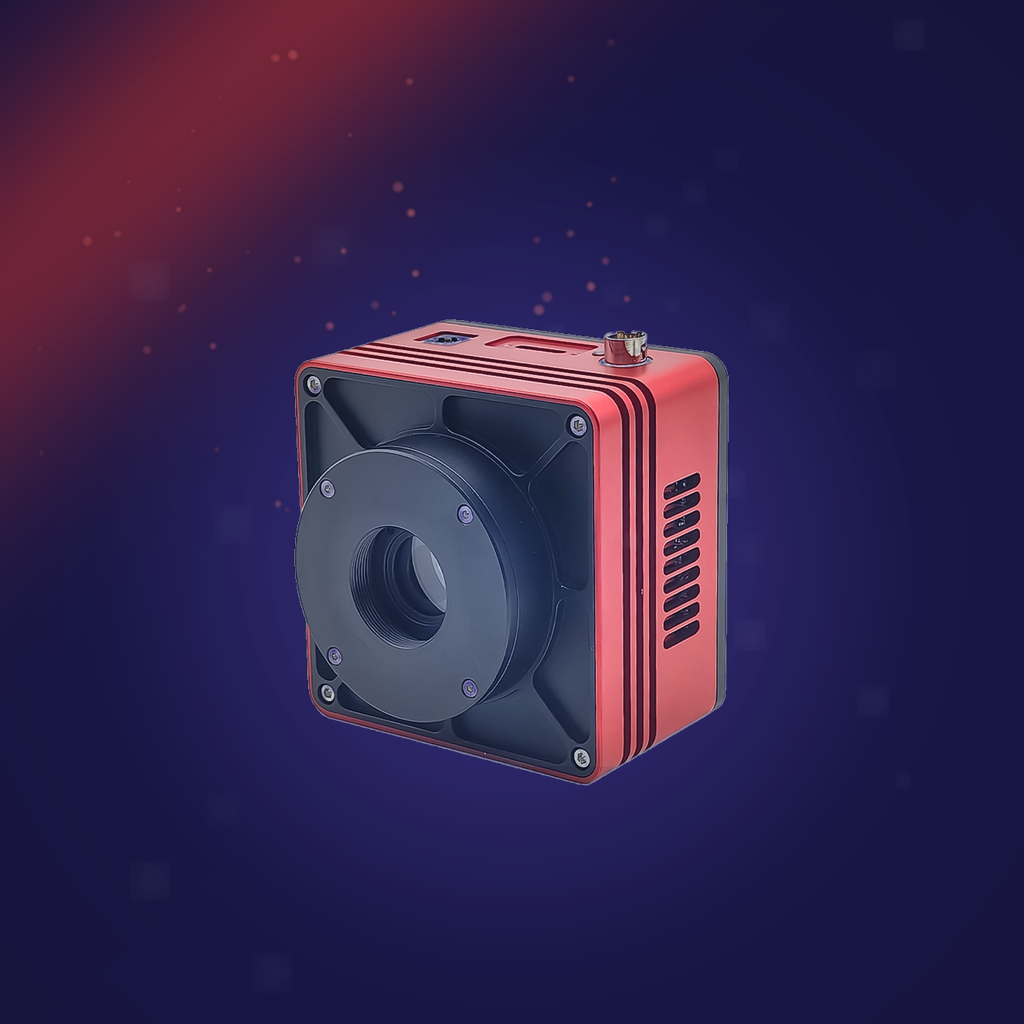
Attostek’s VIS0402CUCXP and VIS0402MUCXP high-speed cameras, with a pixel size of 4.5 μm, can achieve frame rates of up to 5394 fps and cover a spectral range of 300–1100 nm, making them suitable for applications such as high-speed inspection and particle tracking.
If you would like to learn more about high-speed cameras, feel free to contact us!