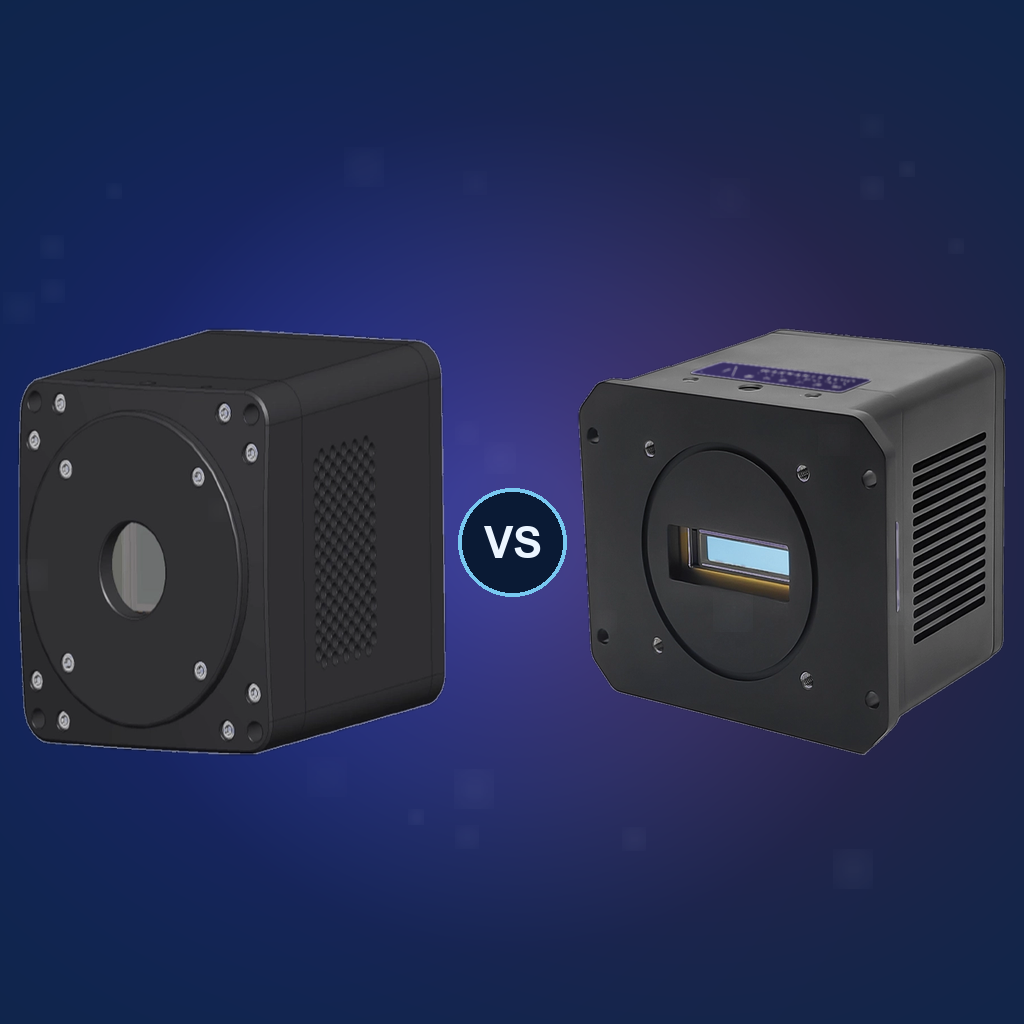
When the operating wavelength is extended beyond 1700 nm, photon energy decreases and thermal noise increases, and the SNR differences between different cameras become more pronounced. Considering imaging performance, ease of use, and price comprehensively, we recommend InGaAs cameras for imaging wavelengths not exceeding 2200 nm, MCT cameras for 2200–2600 nm band detection, and colloidal quantum dot (CQD) cameras for scenarios with sufficient illumination and lower imaging quality requirements.
Comprehensive Performance Comparison of Three Camera Types
| Chip Type | InGaAs | MCT | CQD |
|---|---|---|---|
| Spectral Range | 900–1700nm, extendable to 1900nm or even 2200nm | 800–2600 nm (tunable bandgap) | 400–2100 nm (tunable bandgap) |
| Quantum Efficiency | 70%–90% | 70%–80% | 40%–60% |
| Cooling Requirement | Can operate at room temperature; extended bands require TEC cooling (–20°C to –50°C) | Typically requires deep cooling (77 K to 190 K) | Can be uncooled or lightly cooled |
| Dark Current | ~10⁴ e⁻/s/pixel | <100 e⁻/s/pixel | ~10⁵–10⁶ e⁻/s/pixel |
| Readout Noise | Low, <50 e⁻ | Moderate | Relatively high, >100 e⁻ |
| Cost | Moderate, RMB 220,000–400,000 | Higher, RMB 500,000–800,000 | Lower, RMB 100,000–300,000 |
| Process Maturity | Mature, mainstream technology | Relatively mature but complex process | Developing |
| Advantages | Simple manufacturing process, low readout noise, high frame rate, suitable for industrial and scientific research. | Excellent QE maintained at the long-wavelength end; the only stable commercial 2500 nm area array solution. | Tunable spectral range, room-temperature uncooled operation, simple manufacturing process. |
| Limitations | Extended wavelength cannot reach 2500 nm. | High overall system cost, complex manufacturing process, stringent cooling requirements. | Relatively high dark current, lower QE, limited in low-light scenarios. |
| Typical Applications | Industrial inspection, optical communication, semiconductor inspection | Astronomical observation, adaptive optics, low-light imaging | Consumer electronics, low-cost machine vision |
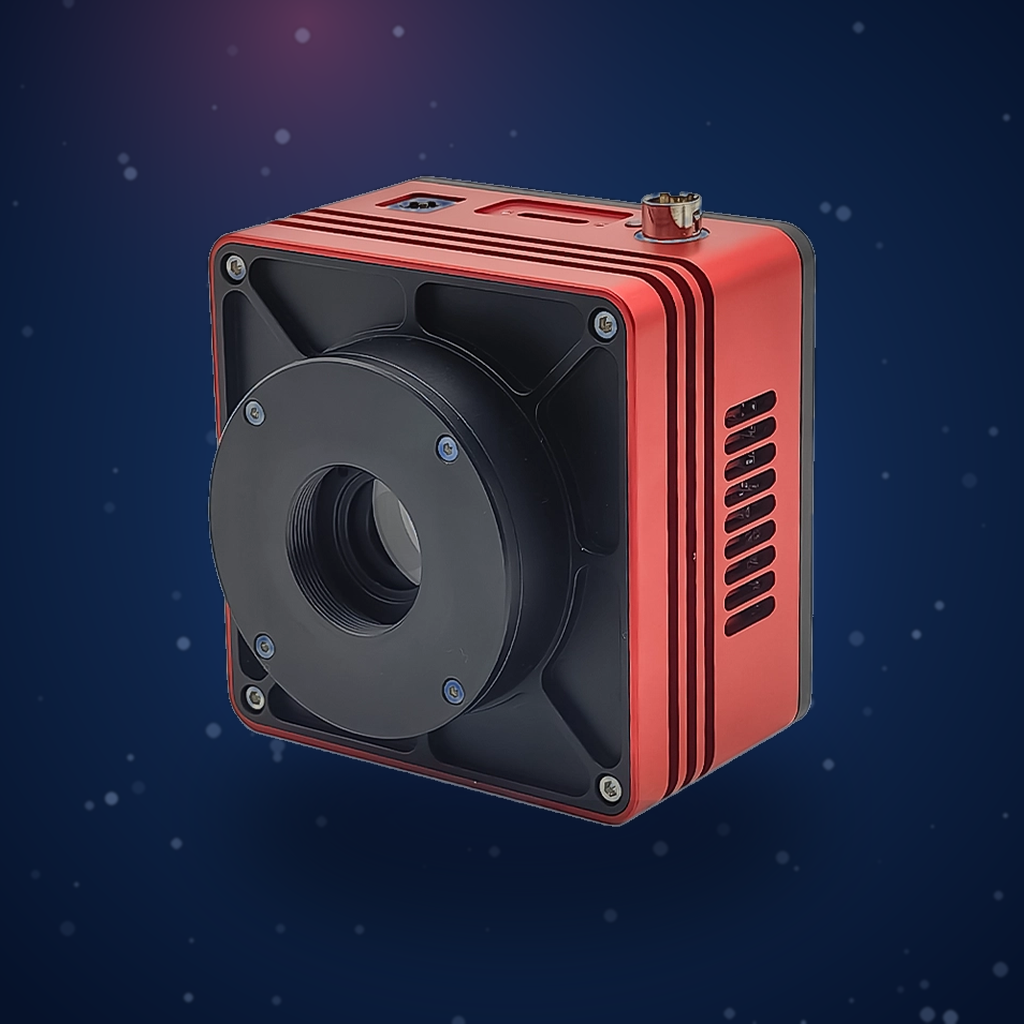
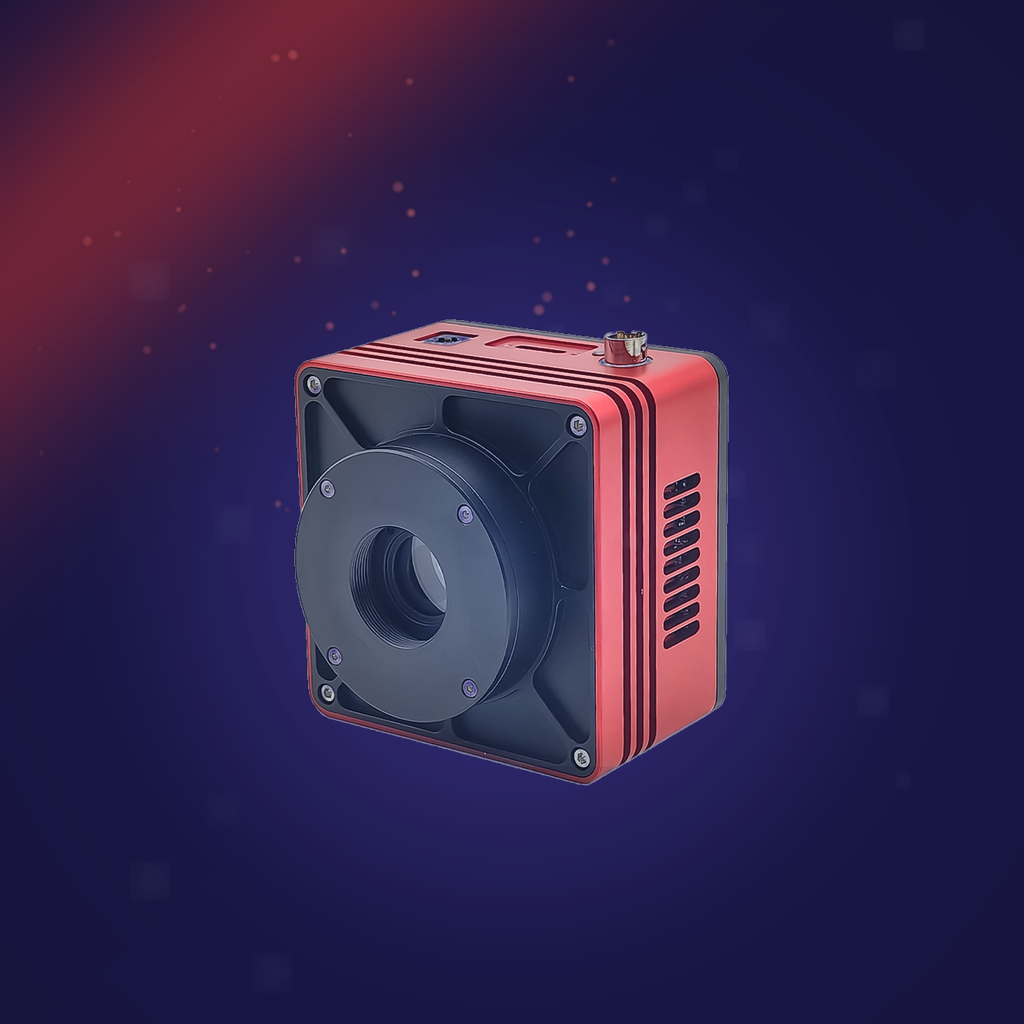
| Representative Products | SWIR1503CU-1.9, SWIR1503CU-2.2 | First Light C-RED | SWIR1503QU1, SWIR1503QU2 |
1700-2600nm Extended SWIR Camera Selection Summary
- For operating bands between 1700–2200 nm, extended TEC-cooled InGaAs cameras are the optimal route for comprehensive cost-effectiveness. This solution meets the requirements of the vast majority of industrial inspection, semiconductor wafer defect identification, optical communication, and laser spot analysis scenarios.
- For operating bands between 2200–2600 nm, only deep-cooled MCT can be selected, accepting high cost and system complexity. This solution is primarily aimed at scientific research and high-end industrial applications with extremely high sensitivity requirements, such as astronomical observation and mineral characteristic absorption peak analysis in geological and mineral exploration.
- For imaging scenarios that allow additional supplementary lighting and have controllable lighting conditions, colloidal quantum dot cameras can be selected. This solution is suitable for projects with sufficient illumination and strictly limited budget or system power consumption.