From September 15 to 17, 2023, the 14th National Symposium on Optics Frontier was successfully held at the Xiong’an Convention and Exhibition Center. The symposium was jointly organized by the Optical Physics Committee of the Chinese Physical Society, the Basic Optics Committee of the Chinese Optical Society, and the Key Laboratory of Optical Physics of the Institute of Physics, Chinese Academy of Sciences, and co-hosted by the College of Physical Science and Technology of Hebei University, the Optical Society of Hebei Province, and the Physical Society of Hebei Province. It is a highly authoritative academic event of the highest caliber in the field of optics in China.
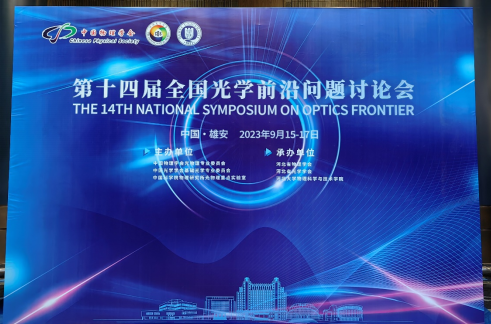
The symposium brought together nearly 200 experts, scholars, and early-career researchers from more than 50 research institutes and universities across the country. Academicians including Yang Guozhen, Zhang Jie, Zhu Shining, and Kang Le attended the event. The opening ceremony was presided over by Professor Li Yutong, Director of the Optical Physics Committee of the Chinese Physical Society, with Academician Yang Guozhen and Academician Zhang Jie delivering opening addresses. The symposium featured 7 plenary presentations, 34 invited talks, and 40 oral and poster presentations. Leading researchers from Peking University, the Institute of Physics of the Chinese Academy of Sciences, Zhejiang University, Sun Yat-sen University, and other top institutions shared the latest research findings and cutting-edge exploration directions in optics. Participants engaged in in-depth discussions and exchanges on frontier topics and key technical challenges in the field.
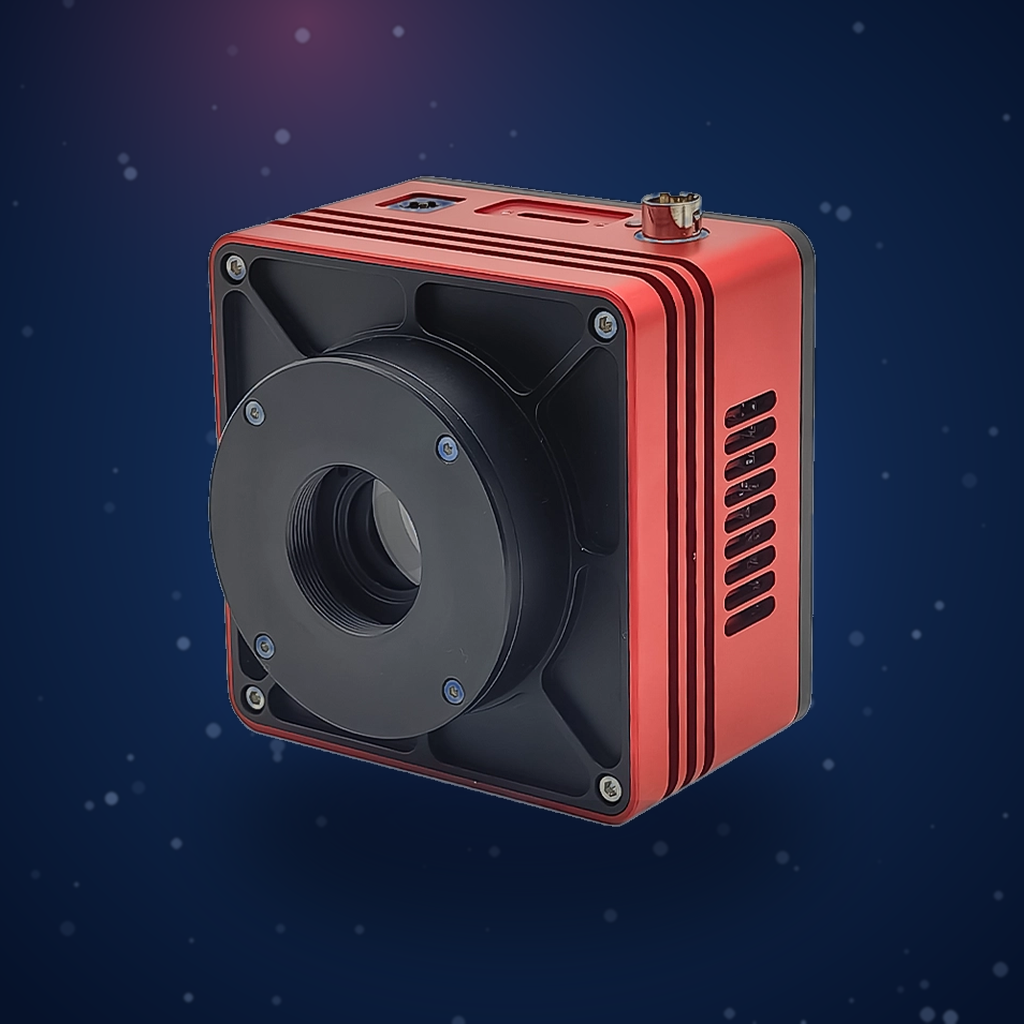
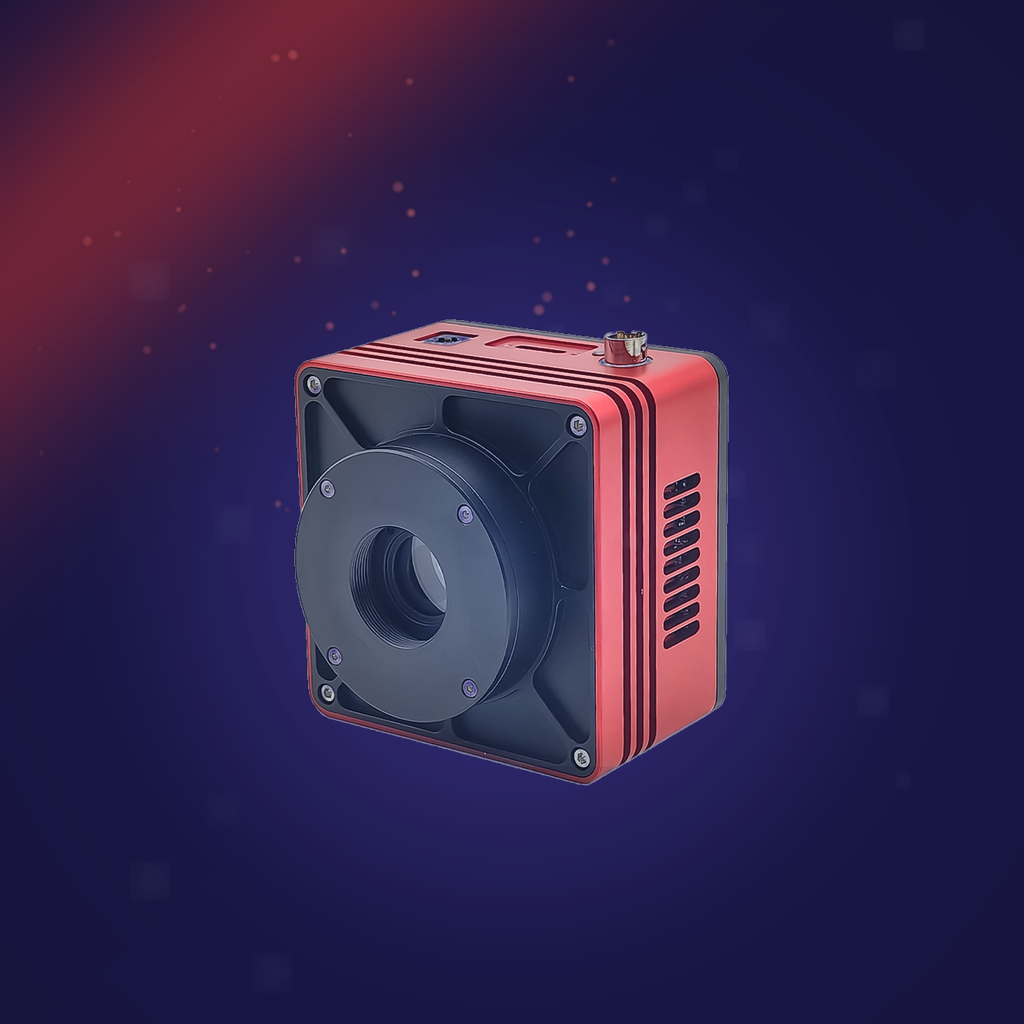
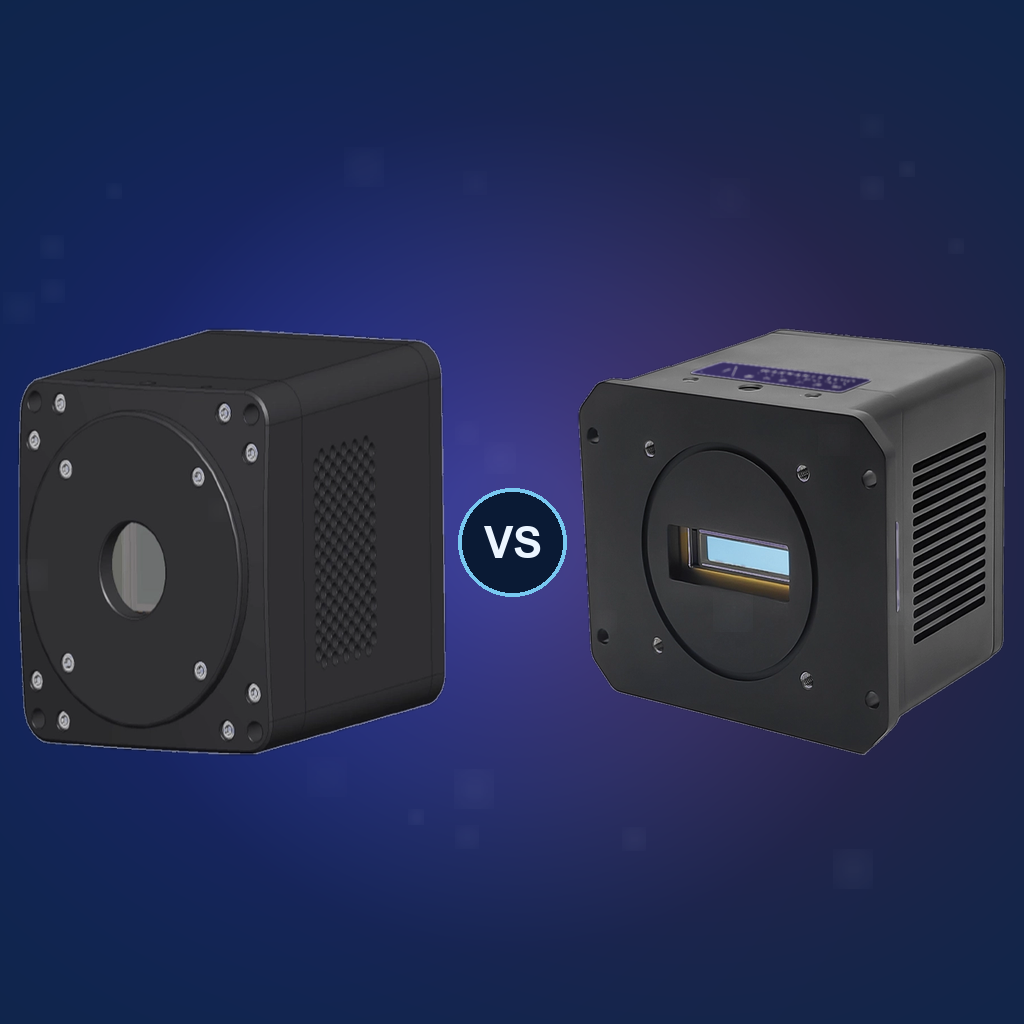
AttosTek, a company dedicated to full-spectrum optoelectronic imaging, was invited to participate in this prestigious event. The AttosTek team engaged in extensive discussions with experts and scholars from numerous universities and research institutes, exploring application scenarios and technical implementation solutions for optoelectronic imaging equipment and optical inspection systems in frontier optical research.
Leveraging this academic exchange platform, AttosTek further connected with top research forces in the domestic optics community, deepening its industry knowledge and collaborative partnerships. Looking ahead, the company will continue to focus on core R&D in optoelectronic imaging technologies, continuously refine its proprietary brand products, and deepen the integration of industry, academia, and research. With high-quality imaging products and customized solutions, AttosTek is committed to supporting innovation in the domestic optics industry and working alongside industry peers to advance the progress and industrial application of frontier optical technologies in China.