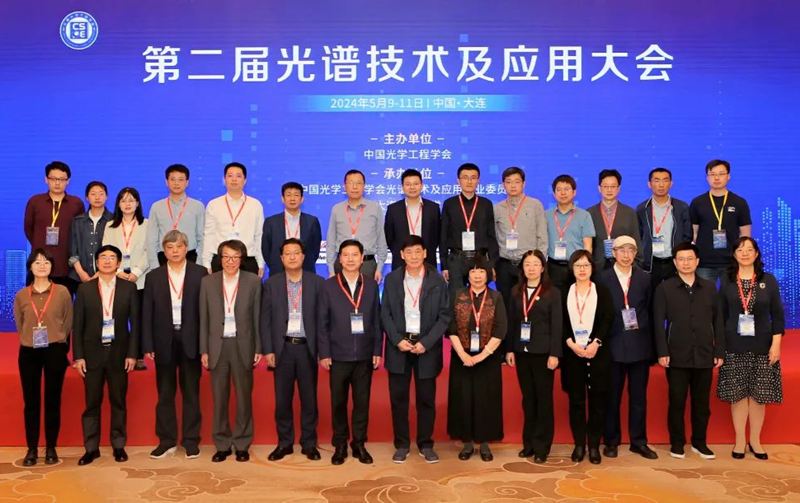
The 2nd Spectroscopy Technology and Application Conference was successfully held in Dalian from May 9 to 11, 2024. Organized by the Chinese Society for Optical Engineering, this conference is a highly influential industry event in the field of spectroscopy, bringing together over 600 industry professionals and more than 240 participating organizations, including over 100 universities, research institutes, and optics companies. Attendees engaged in in-depth discussions on cutting-edge spectroscopy theories, core device development, and engineering applications, exploring new opportunities for industry advancement.
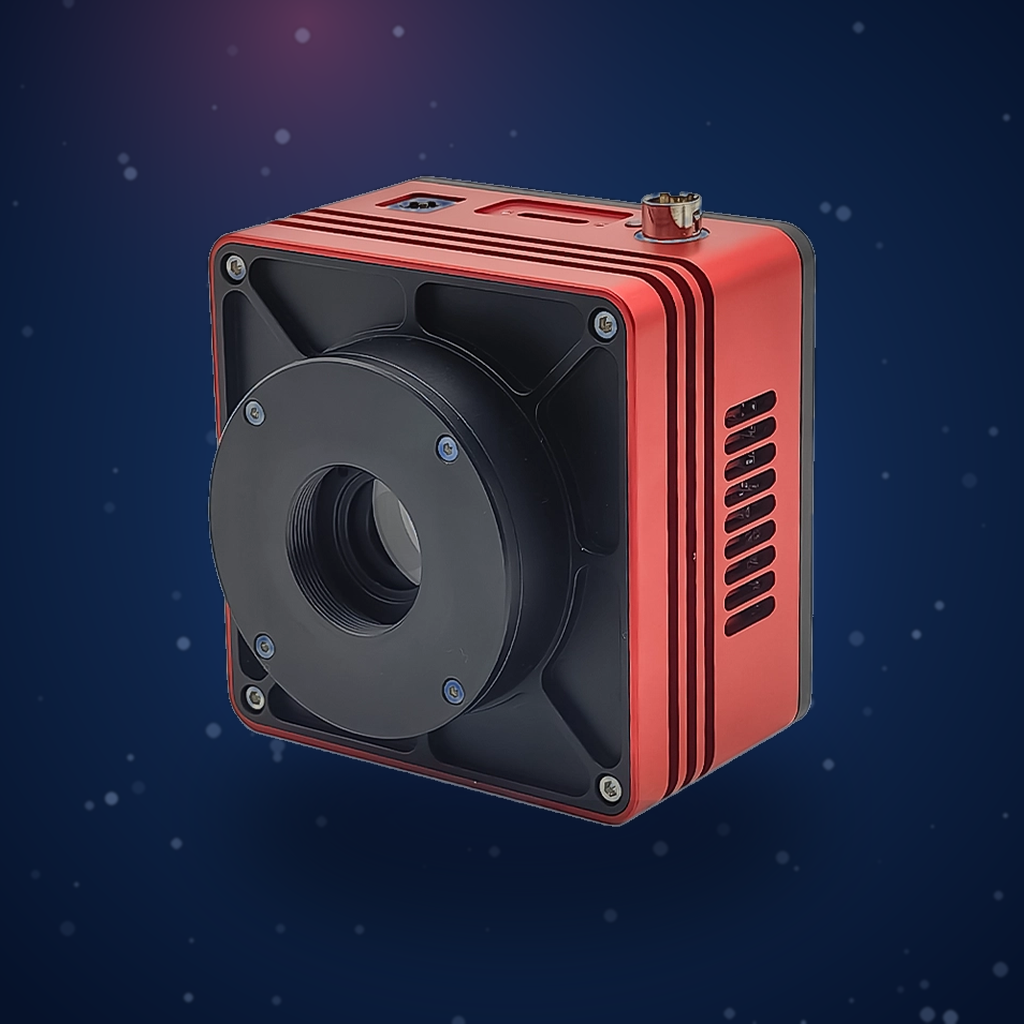
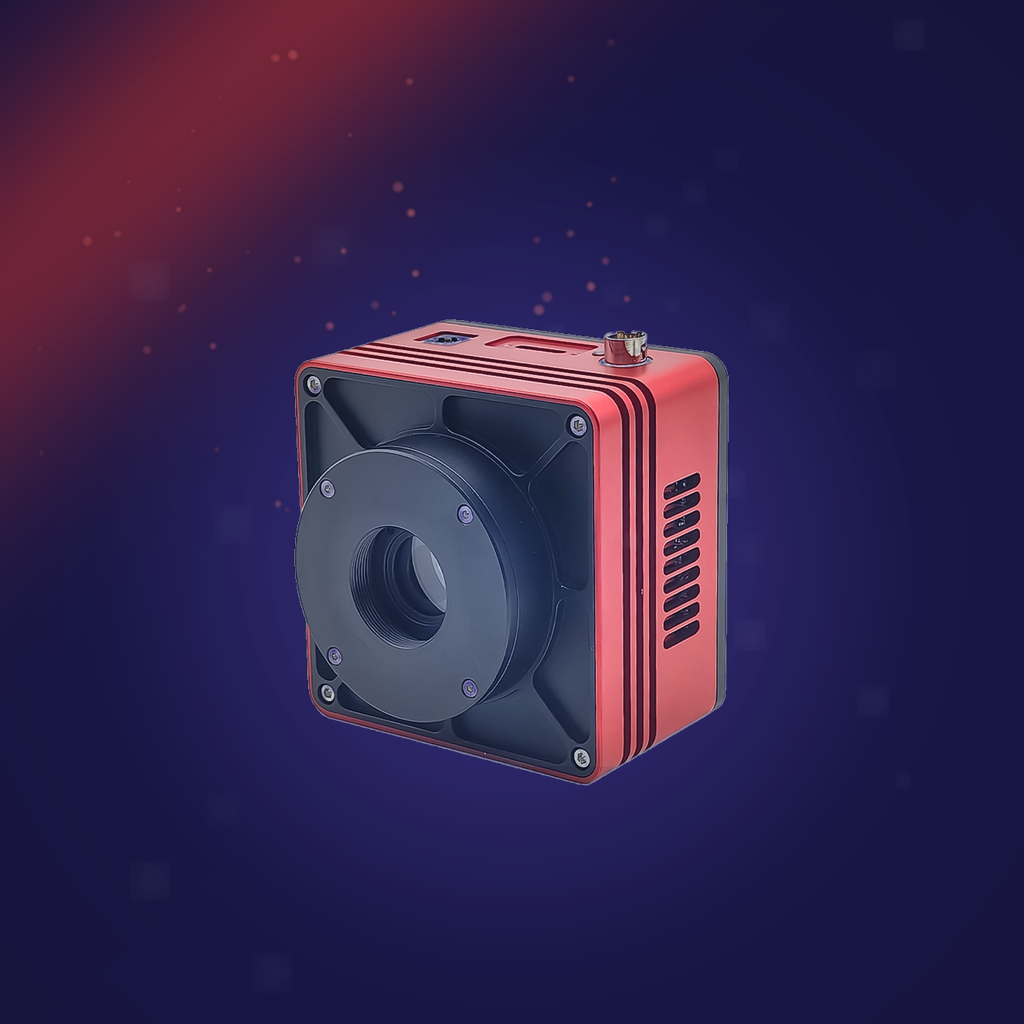
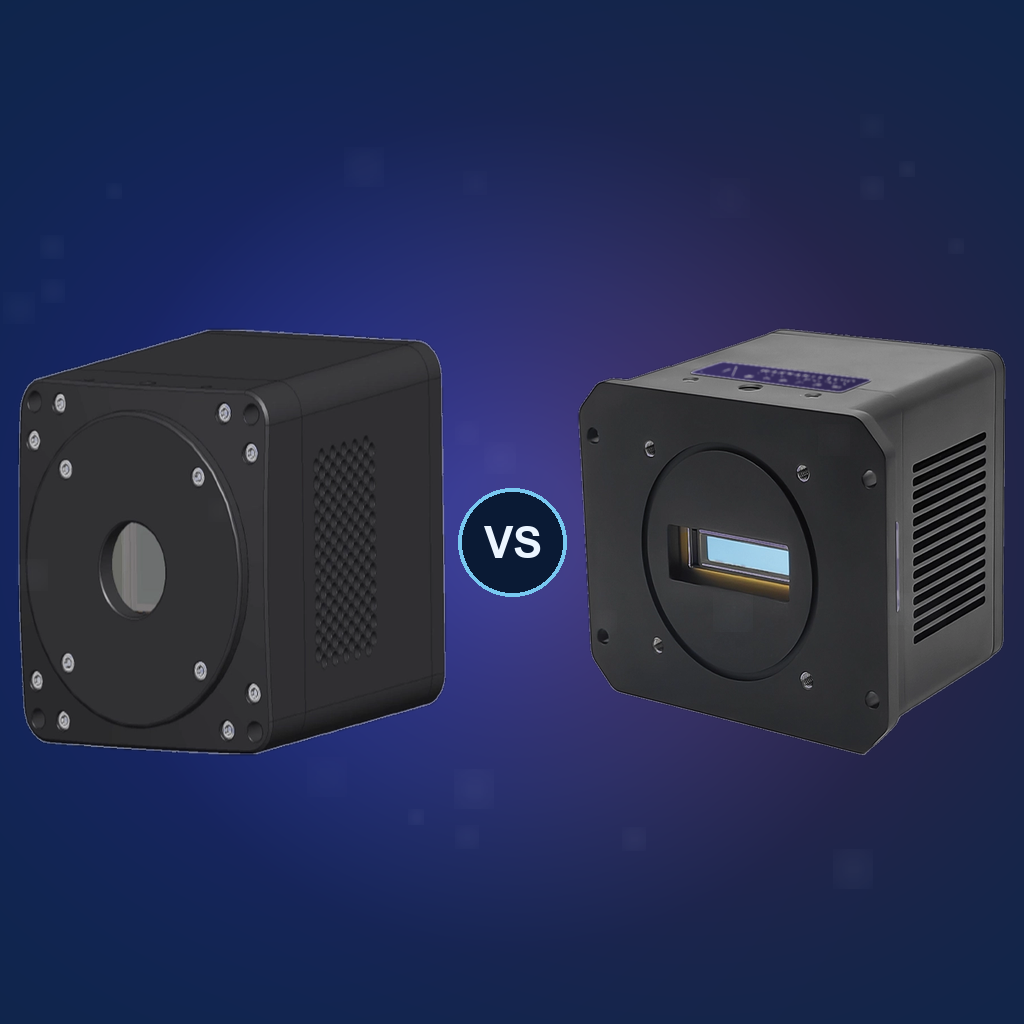
AttosTek, a company specializing in optoelectronic imaging, was invited to exhibit at the conference. The AttosTek delegation, led by Mr. Han Dongdong and Mr. Wang Kaile, showcased a range of scientific cameras and infrared imaging devices, demonstrating the company’s technological achievements and product capabilities across the full-spectrum optoelectronic imaging field.
As a core branch of optical metrology, spectroscopy technology offers advantages such as non-contact operation, high sensitivity, and real-time monitoring capabilities. It has been deeply integrated into numerous fields, including deep-space exploration, aerospace, environmental monitoring, precision medicine, food and pharmaceutical testing, and smart agriculture. During the conference, industry experts, frontline researchers, and the AttosTek team engaged in lively discussions on topics such as technological iteration, application deployment, and customized solutions for spectroscopic instruments, infrared cameras, high-speed imaging devices, CCD/EMCCD cameras, and other optoelectronic products, exchanging insights on technical challenges and innovative approaches.
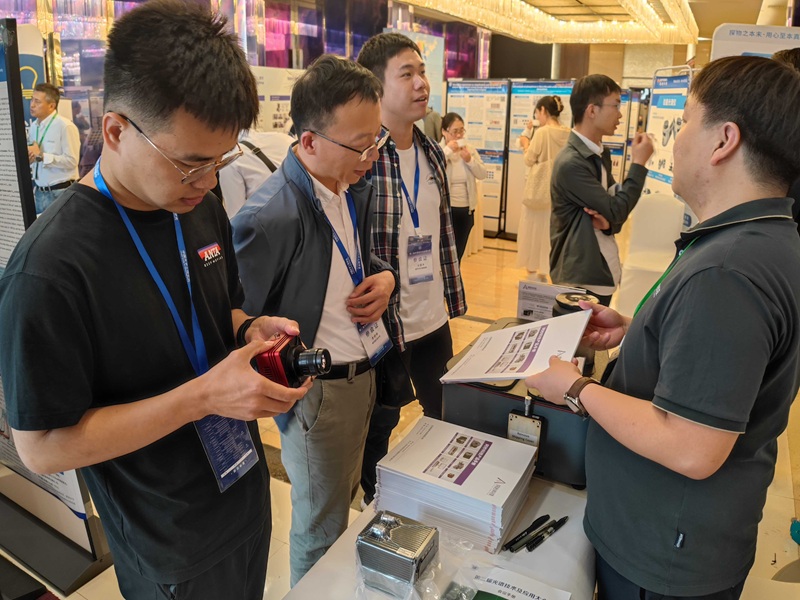
Leveraging its expertise in full-spectrum optoelectronic imaging, AttosTek’s products now cover multiple wavebands, including ultraviolet, visible, short-wave infrared, mid-wave infrared, and long-wave infrared, and are widely used in scientific research, industrial inspection, power grid maintenance, new energy, and other sectors.
This exhibition served both as a concentrated showcase of AttosTek’s in-house developed products and as an important opportunity for the company to exchange ideas, learn from industry peers, and deepen collaborative partnerships. Looking ahead, AttosTek will continue to intensify its R&D efforts, refine its full range of optoelectronic imaging products, and continuously expand the boundaries of their applications, working alongside industry partners to promote the high-quality development of spectroscopy technology and the optoelectronic imaging industry in China.