一. Introduction to AttosTek UVISI064BU10G Camera
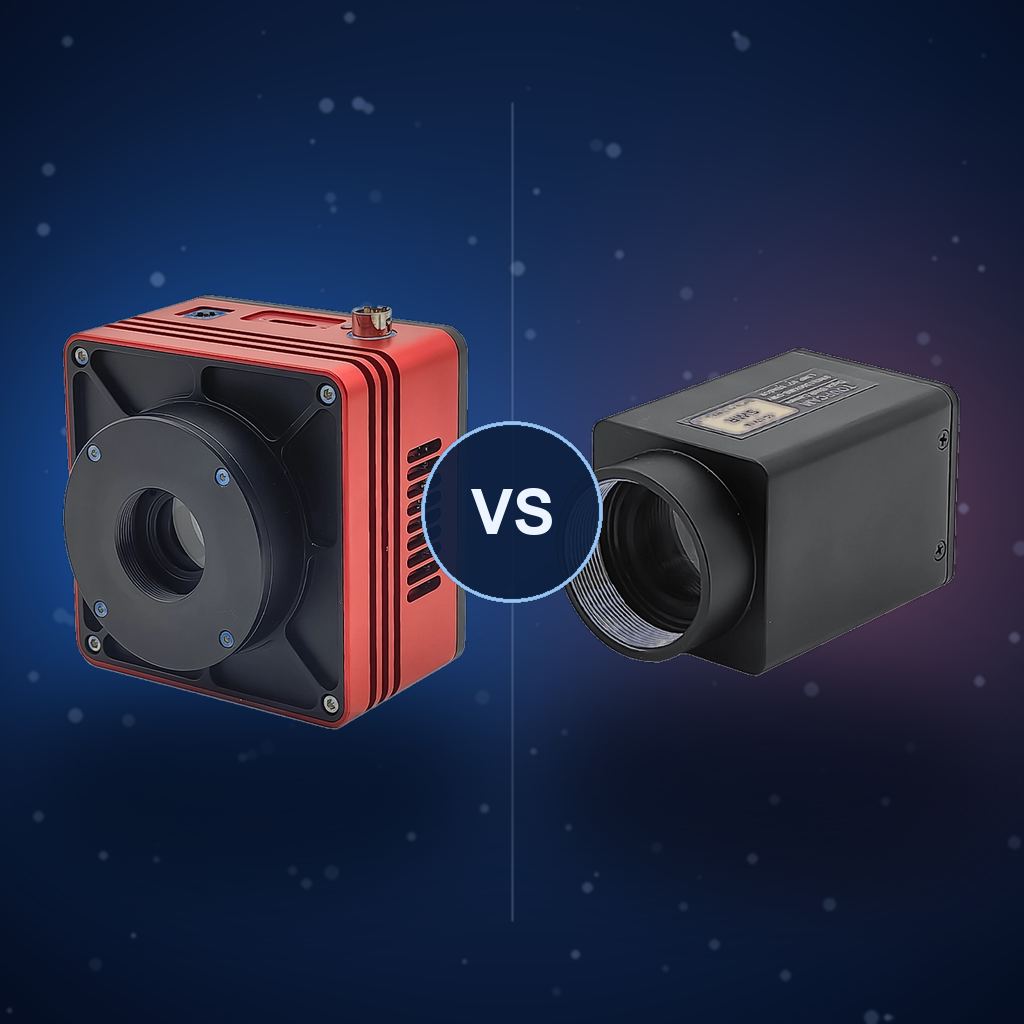
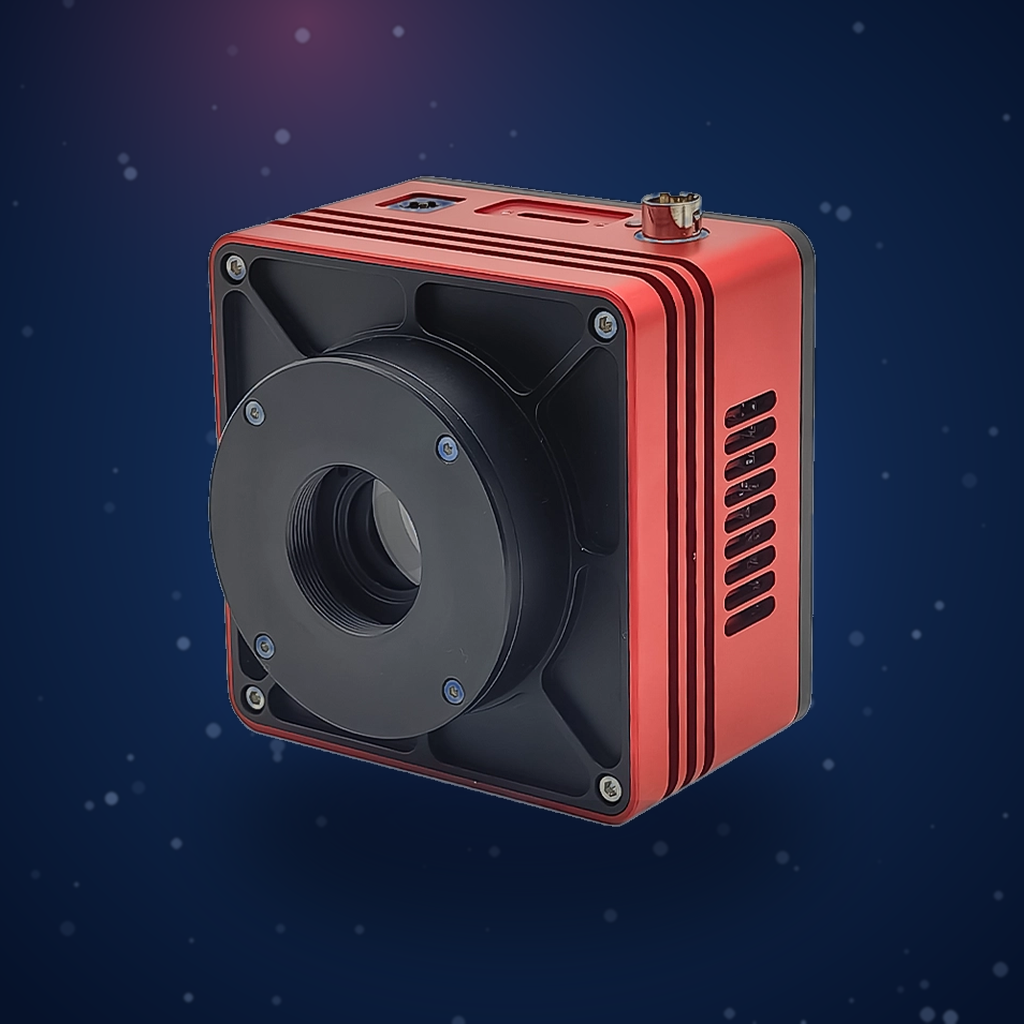
UVISI064BU10G is a newly upgraded high-sensitivity sCMOS camera, the optimal choice for extreme low-light imaging. It adopts the GSENSE6504BSI sensor, an upgraded version of the GSENSE2020BSI sensor, which delivers comprehensive improvements in core low-light imaging metrics.
The GSENSE2020BSI sensor is a scientific-grade backside-illuminated CMOS image sensor launched by Gpixel in 2017. With specifications including 4-megapixel resolution, 95% peak quantum efficiency and ultra-low read noise of 1.2 e⁻, it has been widely adopted for low-light imaging applications. The GSENSE6504BSI sensor achieves substantial upgrades in key parameters such as read noise, frame rate and dark current.
二. Comparison of Core Performance Specifications
| Product Model | UVISI064BU10G (Previous Version) | UVISI064BU10G (Upgraded Version) | Performance Change |
|---|---|---|---|
| Sensor Type | GSENSE2020BSI | GSENSE6504BSI | – |
| Spectral Range | 200nm–1100nm | 200nm–1100nm | Identical |
| Pixel Size | 6.5µm × 6.5µm | 6.5µm × 6.5µm | Identical |
| Sensor Format | 1.2″ | 1.2″ | Identical |
| Resolution | 2048 × 2048 | 2048 × 2048 | Identical |
| Frame Rate | 43 fps (12 bit), 74 fps (11 bit) | 10GigE: 270fps@8bit, 180fps@12bit, 135fps@16bitUSB3.2: 220fps@8bit, 150fps@12bit, 112fps@16bit | Improved |
| Peak Quantum Efficiency | 95% @ 560nm | 95% @ 450nm | Identical |
| Read Noise | 1.2 e⁻ (CMS), 1.6 e⁻ (HDR, LCG) | 0.9 e⁻ (Gain ×58.8) | Improved |
| Dark Current | 0.07 e⁻/pixel/s @ -30°C | 0.01 e⁻/s/pixel @ -20℃ | Improved |
| Data Interface | USB3.0 | USB3.2 + 10GigE | Improved |
| Data Bit Depth | 11bit / 12bit | 8 bit / 12 bit / 16 bit | Improved |
| Optical Interface | C-mount | C-mount | Identical |