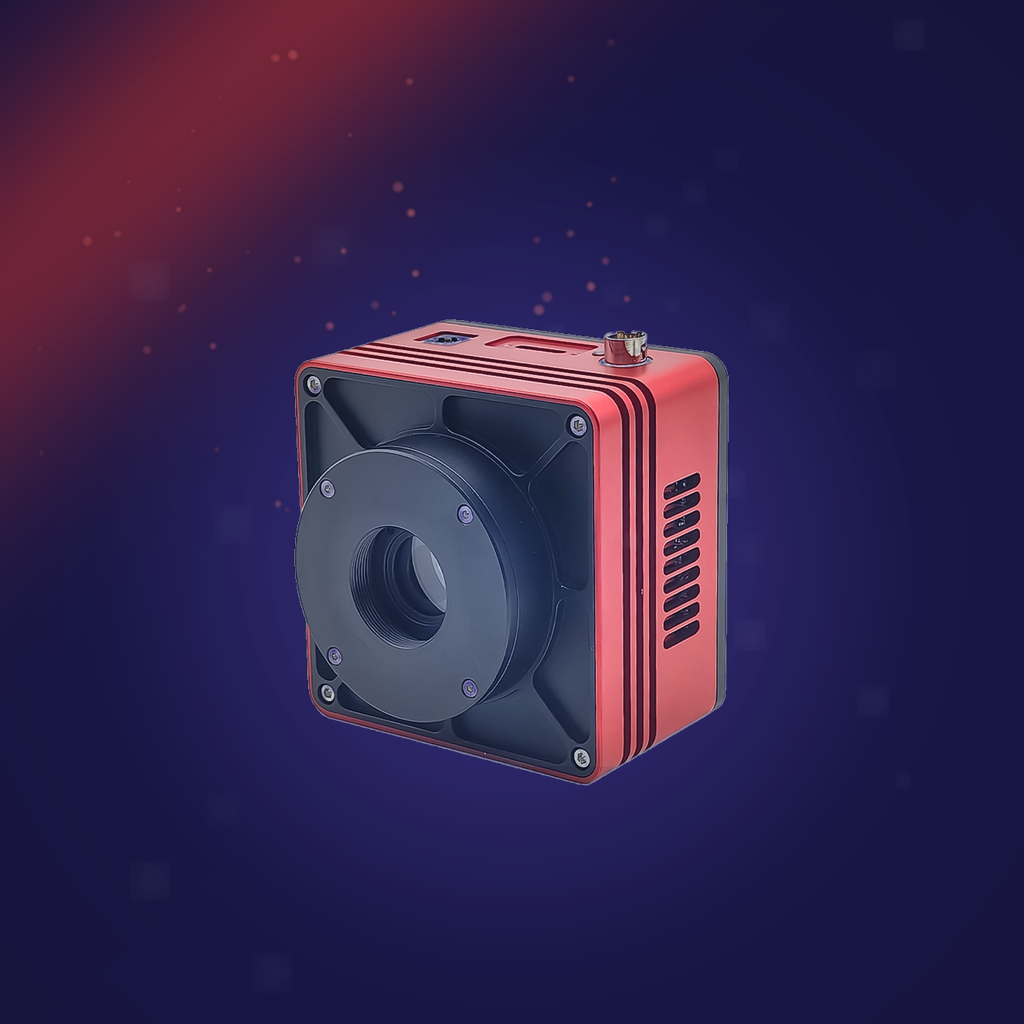
I. Product Introduction
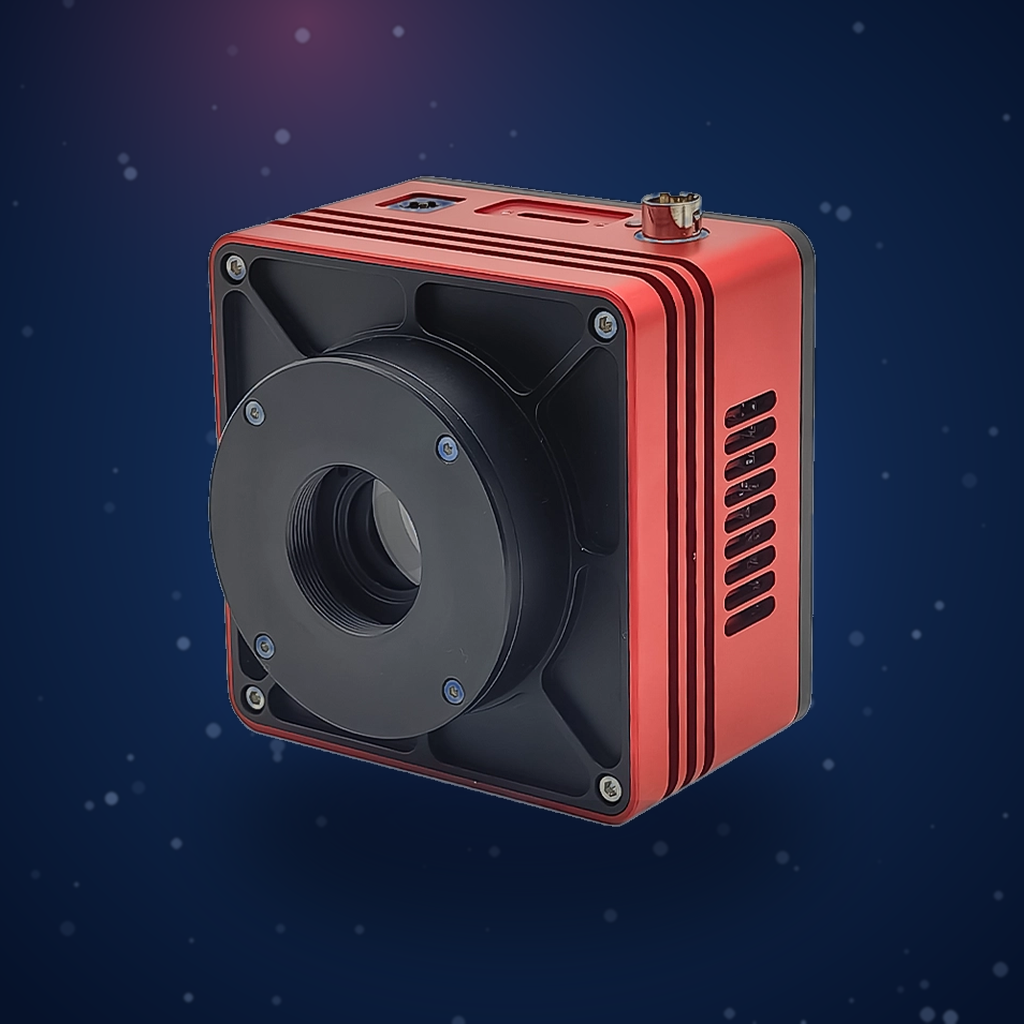
The AttosTek UVISI064BU10G is a scientific-grade cooled camera equipped with the GSENSE6504BSI image sensor, featuring 4.2 MP resolution and 6.5 μm pixel size. The camera utilizes USB3.2 + 10Gige interfaces and incorporates a built-in cooling system with a temperature differential of approximately 45°C (below ambient temperature), effectively reducing dark current. With its outstanding scientific imaging performance, stable cooling system, and versatile interface configuration, the UVISI064BU10G camera is an ideal choice for research institutes, medical institutions, and high-end industrial applications, suitable for high-speed applications such as fluorescence dynamic observation and rapid scanning.
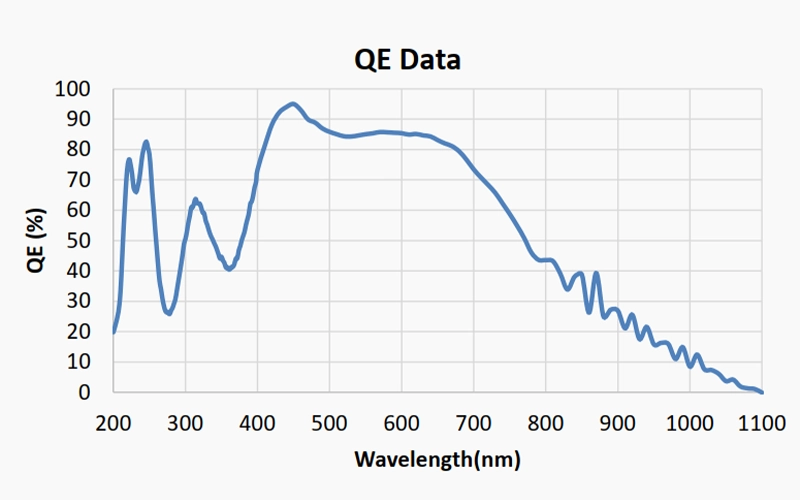
II. QE Curve
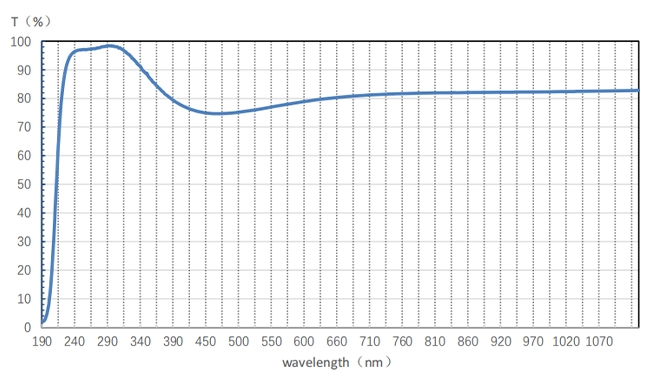
III. Glass Window Transmittance Curve
IV. Camera Specifications
| Parameter | Specification |
| Model | UVISI064BU10G |
| Sensor Type | GSENSE6504BSI |
| Spectral Range | 200nm-1100nm |
| Pixel Size | 6.5μm × 6.5 μm |
| Sensor Format | 1.2″ |
| Resolution | 2048 x 2048 |
| Frame Rate | 10Gige: 270fps@8bit、180fps@12bit、135fps@16bit USB3.2: 220fps@8bit、150fps@12bit、112fps@16bit |
| Image Buffer | 1024MB (8Gb) |
| Peak Quantum Efficiency | 95%@450nm |
| Gain Range | 1x – 75x (HCG) 1x – 50x (LCG) |
| Conversion Gain | 4.5DN/e (Gain x58.8) |
| Dynamic Range | 83.4dB (HDR) |
| Read Noise | 0.9e⁻(Gain x58.8) |
| Full Well Capacity | 13.4ke⁻(Gain x3.7) |
| SNR | 41.2dB (Gain x3.7) |
| Dark Current | 0.01e⁻/s/pix @-20℃ |
| Sensitivity | 9.2×10⁷e⁻ /((W/m2).s)@450nm |
| Exposure Time Range | 12μs-300s |
| Binning Modes | Software 2×2 – 8×8, Hardware FPGA 2×2 – 4×4 |
| Shutter Mode | Rolling Shutter / Global Reset |
| Data Interface | USB3.2 + 10Gige |
| Digital I/O | 1 opto-isolated input, 1 opto-isolated output, 2 non-isolated I/O ports |
| Data Format | 8bit / 12bit / 16bit |
| Cooling Temperature | -25°C (at 20°C ambient temperature) |
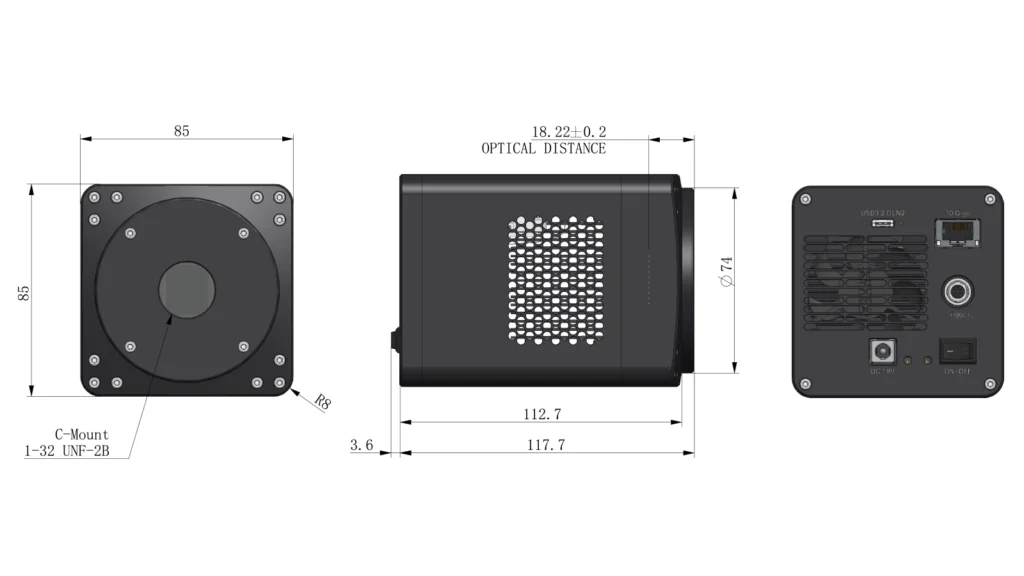
| Optical Interface | C-mount |
| Power Supply | DC19V 4A power adapter |
| Power Consumption | TBD |
| Dimensions | 85mm×85mm×118mm |
| Weight | TBD |
| Software | AttosView / Complete SDK development package |
| Temperature | Operating: -30~60°C; Storage: -40~85°C |
| Humidity | Operating: 20%-80%, non-condensing; Storage: 20%-80%, non-condensing |
| Certifications | CE,FCC |
V. Dimensions
VI. Package Contents
| Item Name | Specification | Quantity |
|---|---|---|
| A. High-Sensitivity Camera | UVISI064BU10G | 1 |
| B. USB3.0 Data Cable | A Male to B Male Cable, 1.5m, GoldPlated | 1 |
| C. GigE Data Cable | Ethernet cable, 3 m | 1 |
| D. External trigger control line | 7-Core Female Trigger Cable, 2m | 1 |
| E. Power Cord | Power Cord(Default: EU standard; Optional: US/UK standard) | 1 |
| F. Power Adapter | DC19V power adapter | 1 |
| G. USB Flash Drive | USB Drive with Software, Drivers, and Manual | 1 |
VII. Application Cases
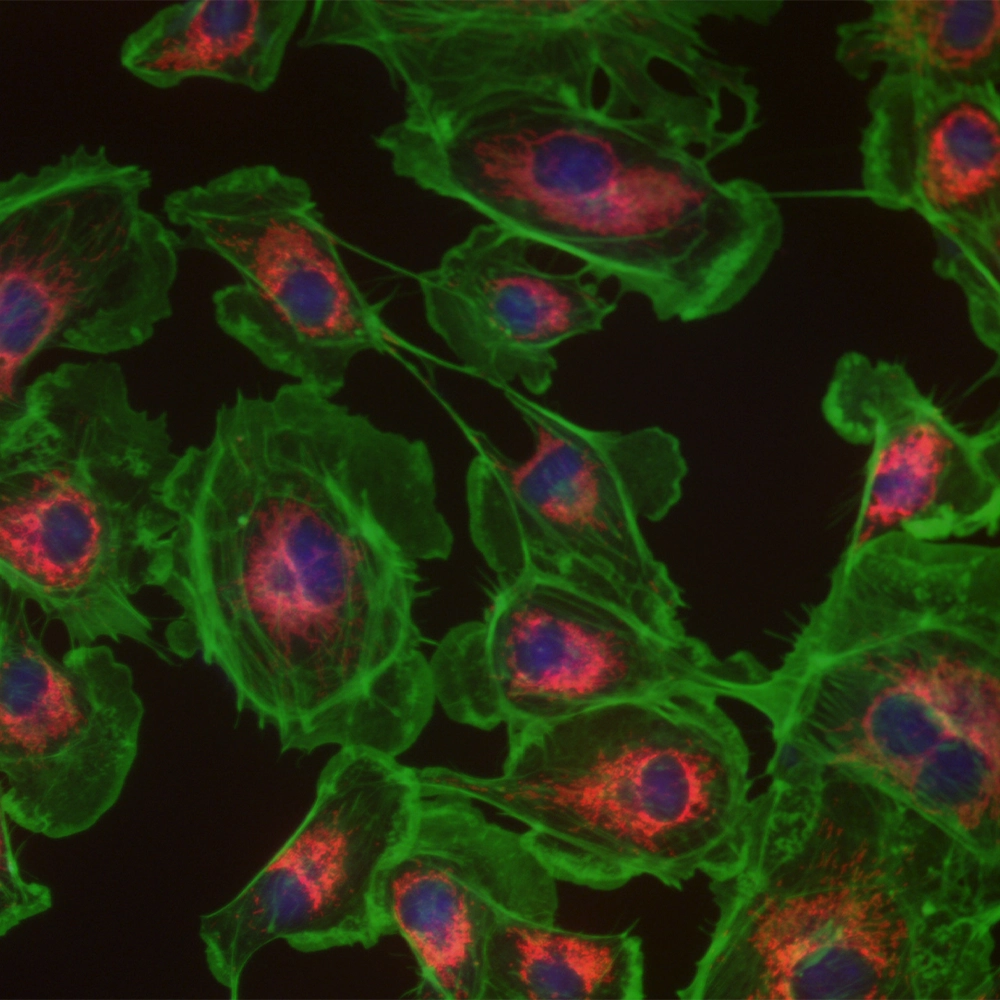
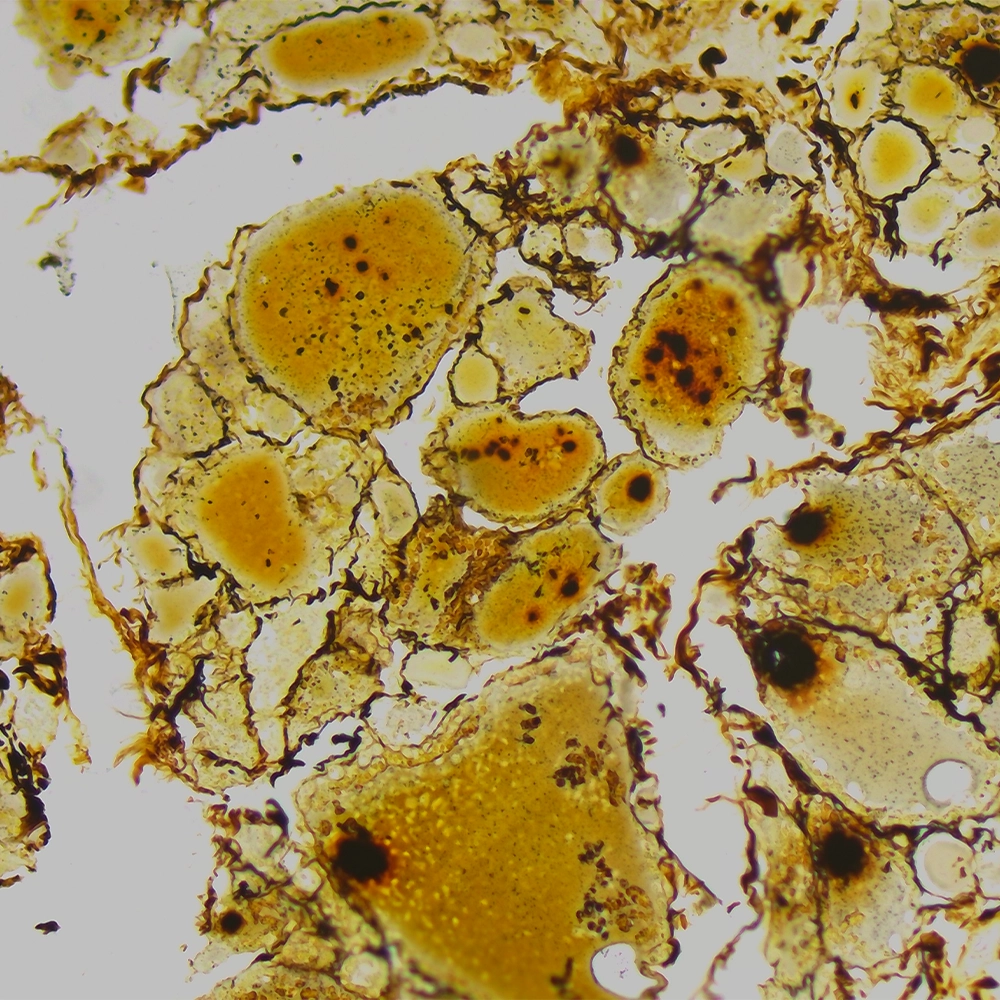
The UVISI064BU10G high-sensitivity camera covers a spectral range from ultraviolet through visible to near-infrared, meeting the stringent requirements of multi-band precision imaging applications. This series of cameras excels particularly in life sciences research, quantum physics experiments, fluorescence imaging, spectral analysis, genetic sequencing, and semiconductor inspection.