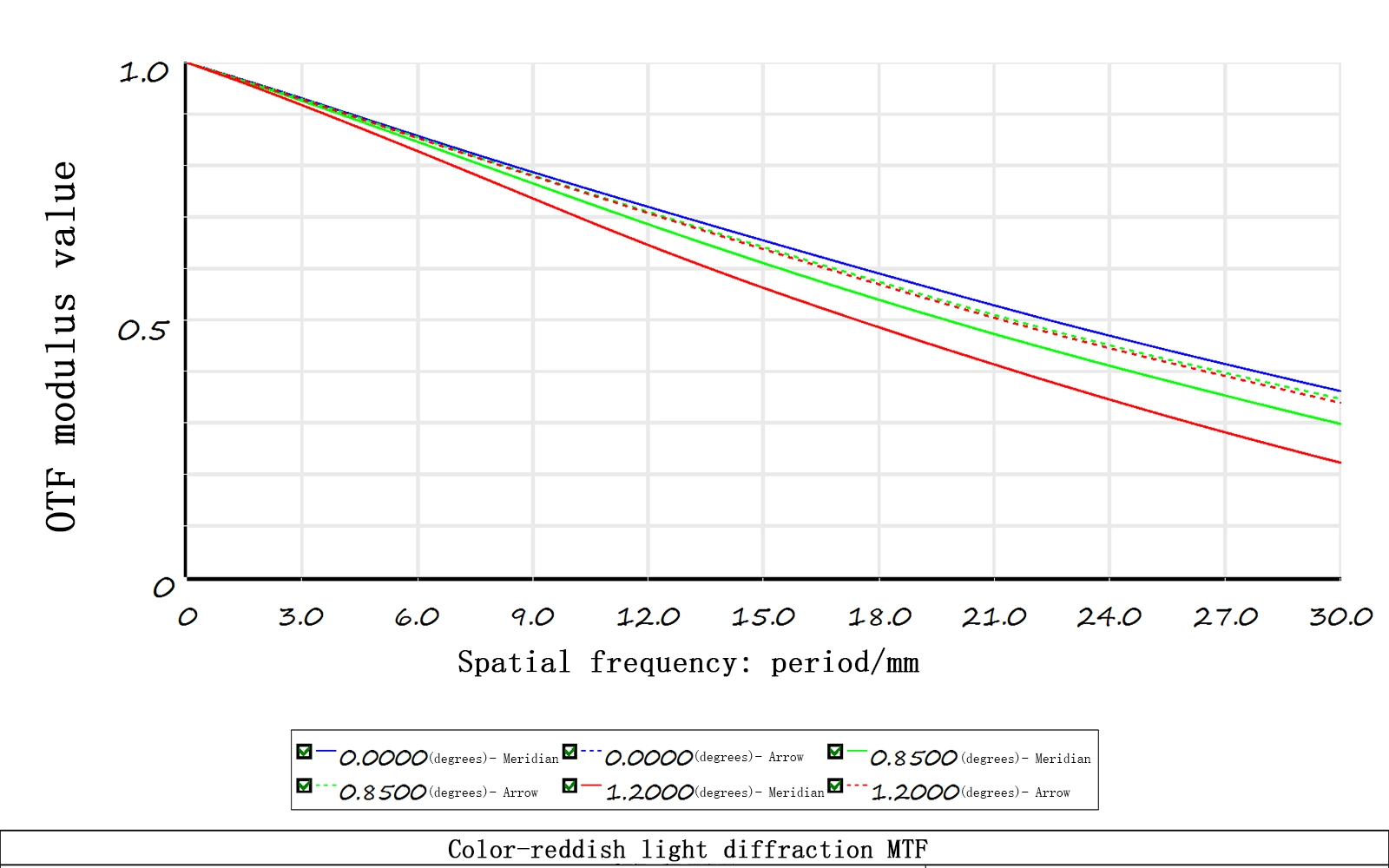
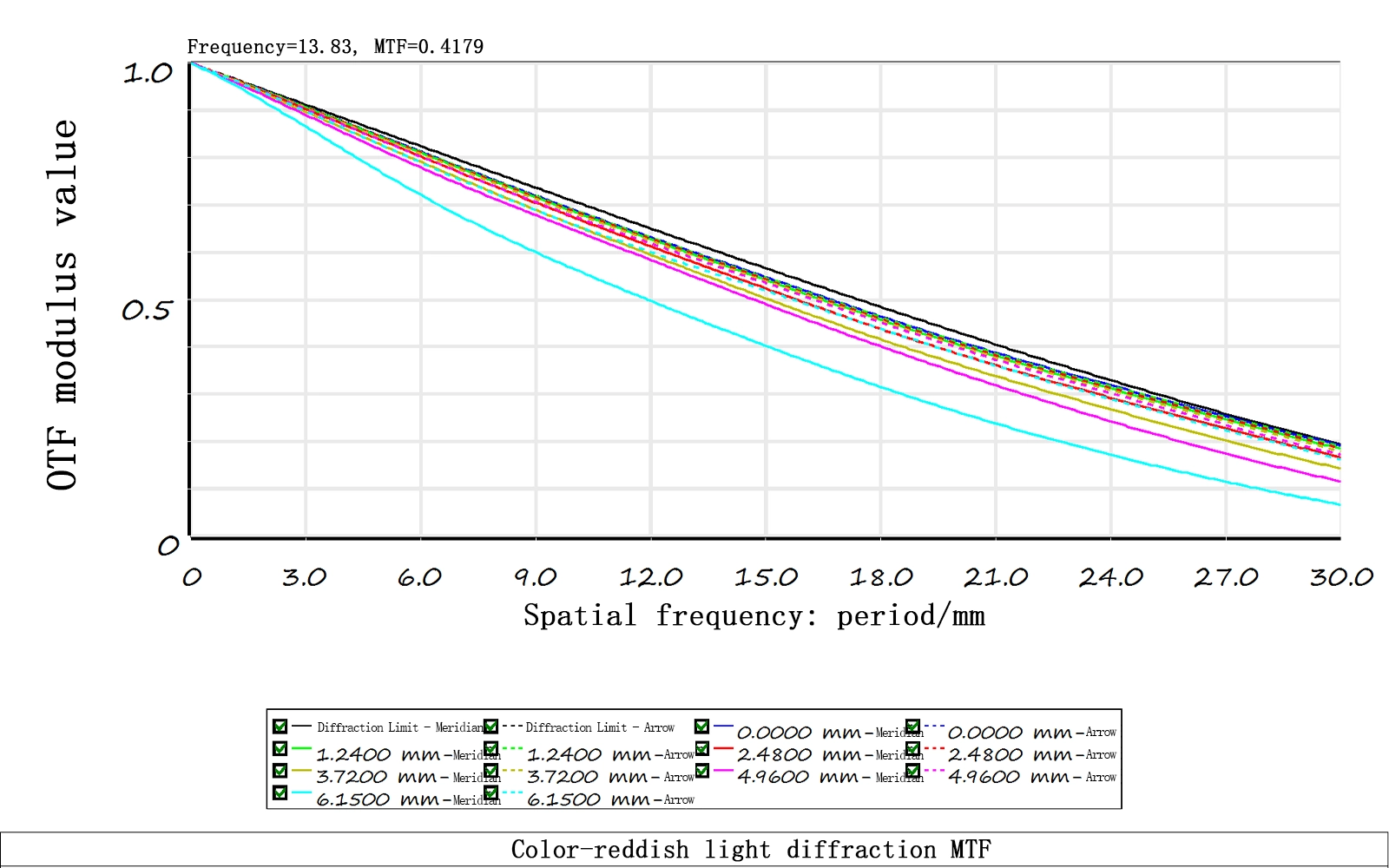
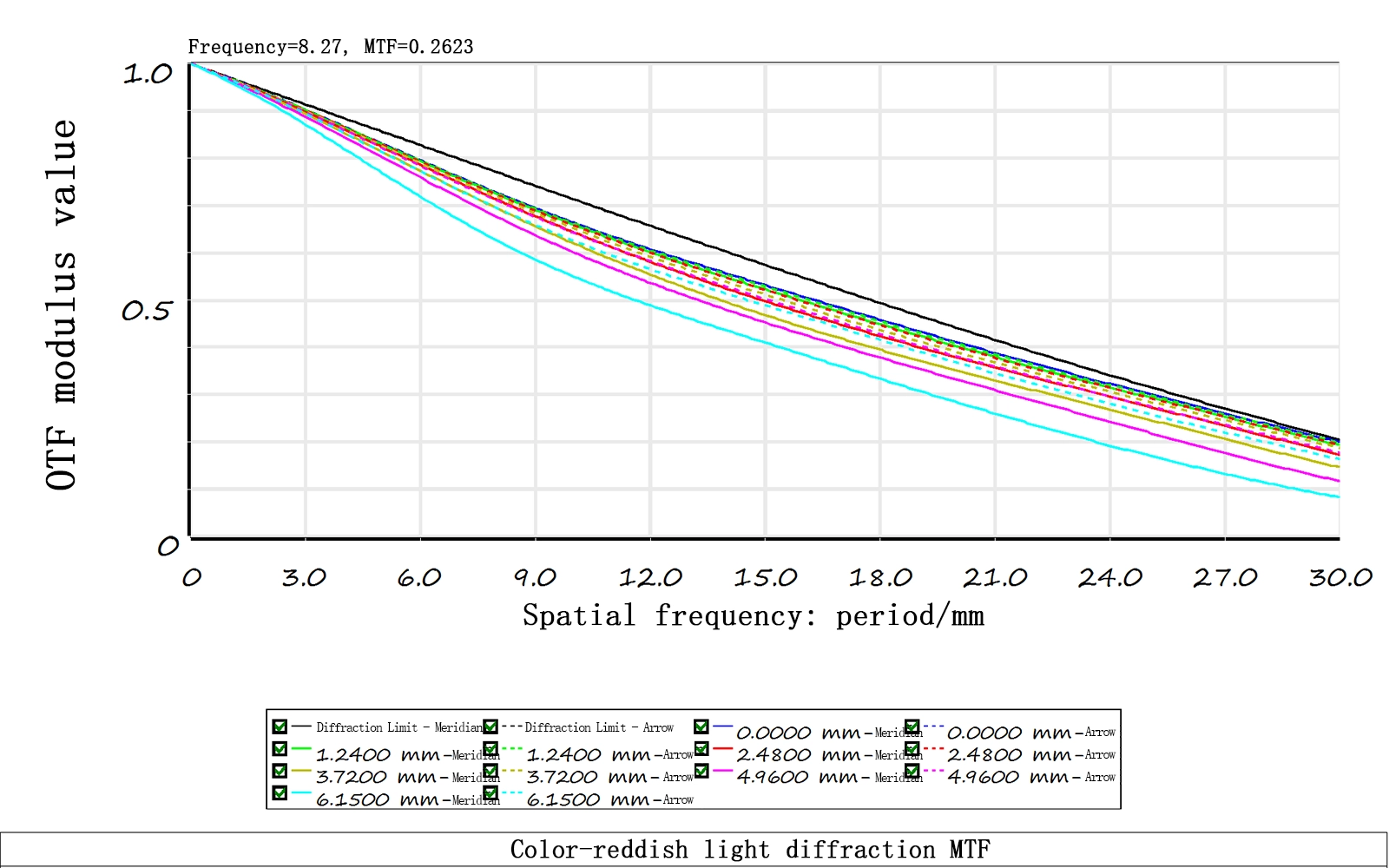
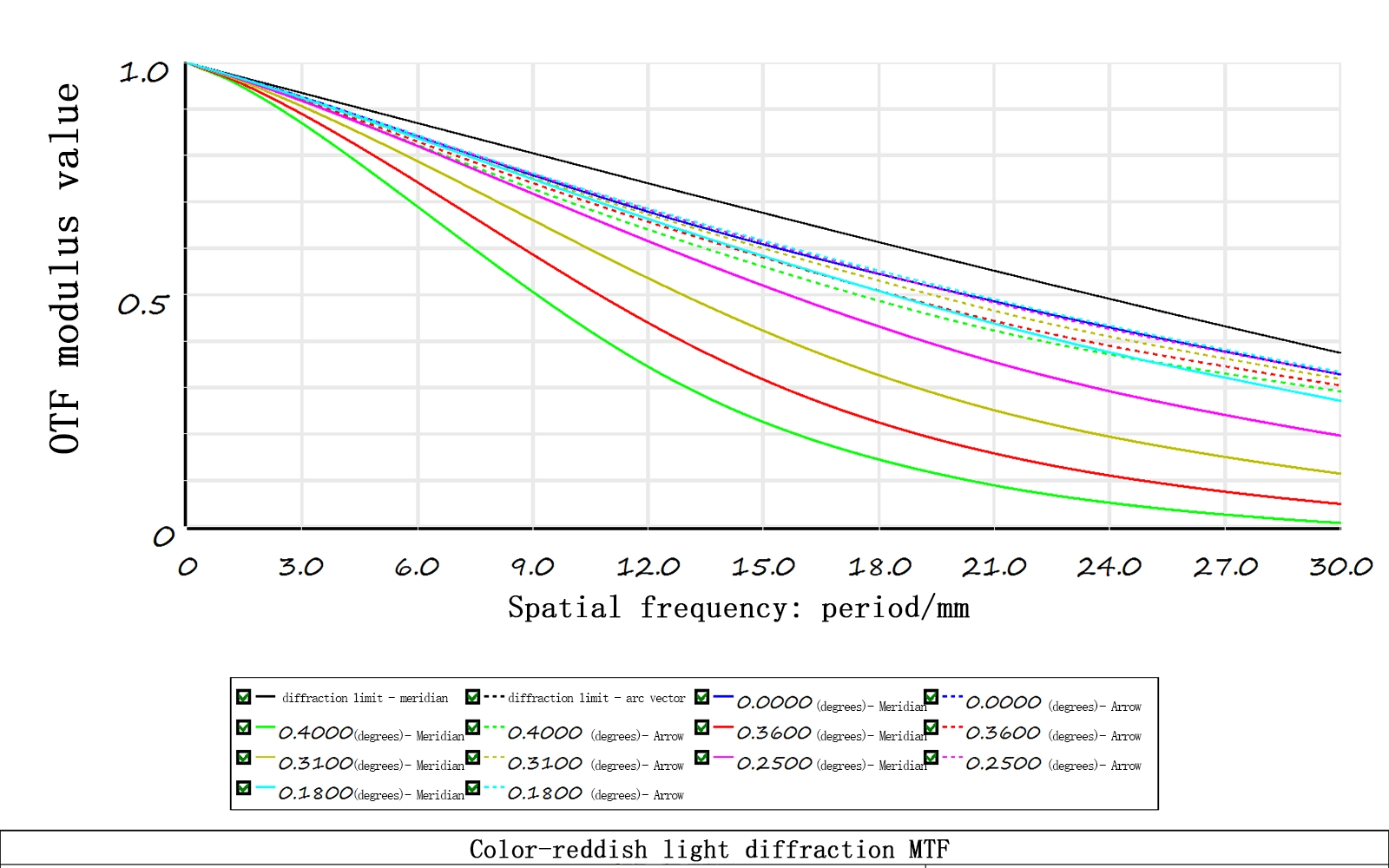
640×512 MWIR Motorized Zoom Lens
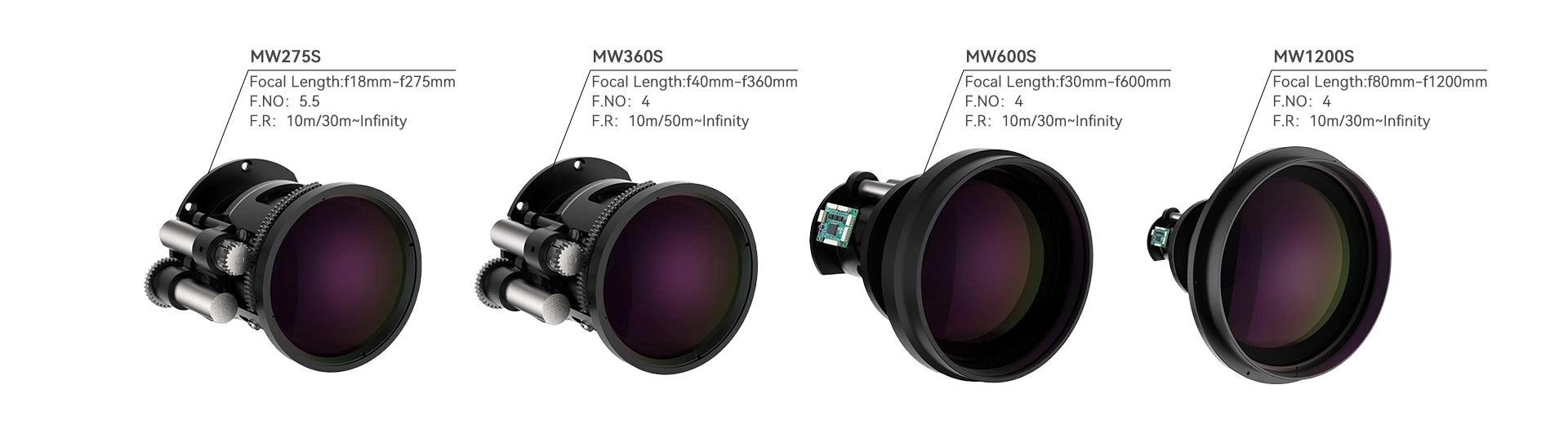
As Mwir Lens
640×512 MWIR Motorized Zoom Lens

The MWIR motorized zoom lens is specifically optimized for high-resolution detectors with a 640×512 format and 15μm pixel pitch. It operates in the 3.7 microns to 4.5 microns spectral band. The lens features a motorized zoom mechanism, is compatible with a designated lens controller, and supports RS232/RS422 communication protocols. Offering significant advantages in thermal imaging, surveillance, and industrial inspection, it serves as a critical component for advanced thermal cameras.

  • Ranging from 18–275mm to 80–1200mm, meeting diverse application needs from long-range detection to wide-area search.
  • Maintains sharp image quality across the entire zoom range without defocusing.
  • Average transmittance of ≥69%–80% effectively ensures thermal imaging sensitivity.
  • Distortion is controlled within 1%–5% across focal lengths, facilitating target positioning and measurement.
  • Stable operation from –40°C to +80°C, adaptable to temperature variations.
  • The front of the lens is rated IP67 capable of withstanding harsh weather conditions.
Adaptive detector 640×512×15μm
Operating wavelength band 3.7-4.8μm
Thermal adjust Motorized Adjustment
Sealing IP67(front only)
Lens Control  Designated lens controller
Supply Voltage  12V (Can be configured to 6V- 12V)
Current Consumption 0.5A average, 1.0A peak at T= – 30℃;
0.2A average, 1.0A peak at T ≥ 20℃
Operating Temperature -40℃~+80℃
Communication Protocol  RS232/RS422
    Focal Length FOV  H FOV  V
MW300S WFOV f15mm 35.4° 28.7°
NFOV f300mm 1.8° 1.4°
MW275S WFOV f18mm 31.7° 2.3°
NFOV f275mm 24.4° 1.8°
MW550S WFOV f30m 18.18 14.59
NFOV f550mm 1 0.8
MW600S WFOV f30mm 18.1° 14.5°
NFOV f600mm 0.91° 0.73°
MW900S WFOV f45mm 12.17° 9.75°
NFOV f900mm 0.61° 0.48°
MW1200S WFOV f80mm 6.92° 5.54°
NFOV f1200mm 0.70° 0.55°
MW360S WFOV f40mm 14.93 12.04
NFOV f360mm 1.53 1.22
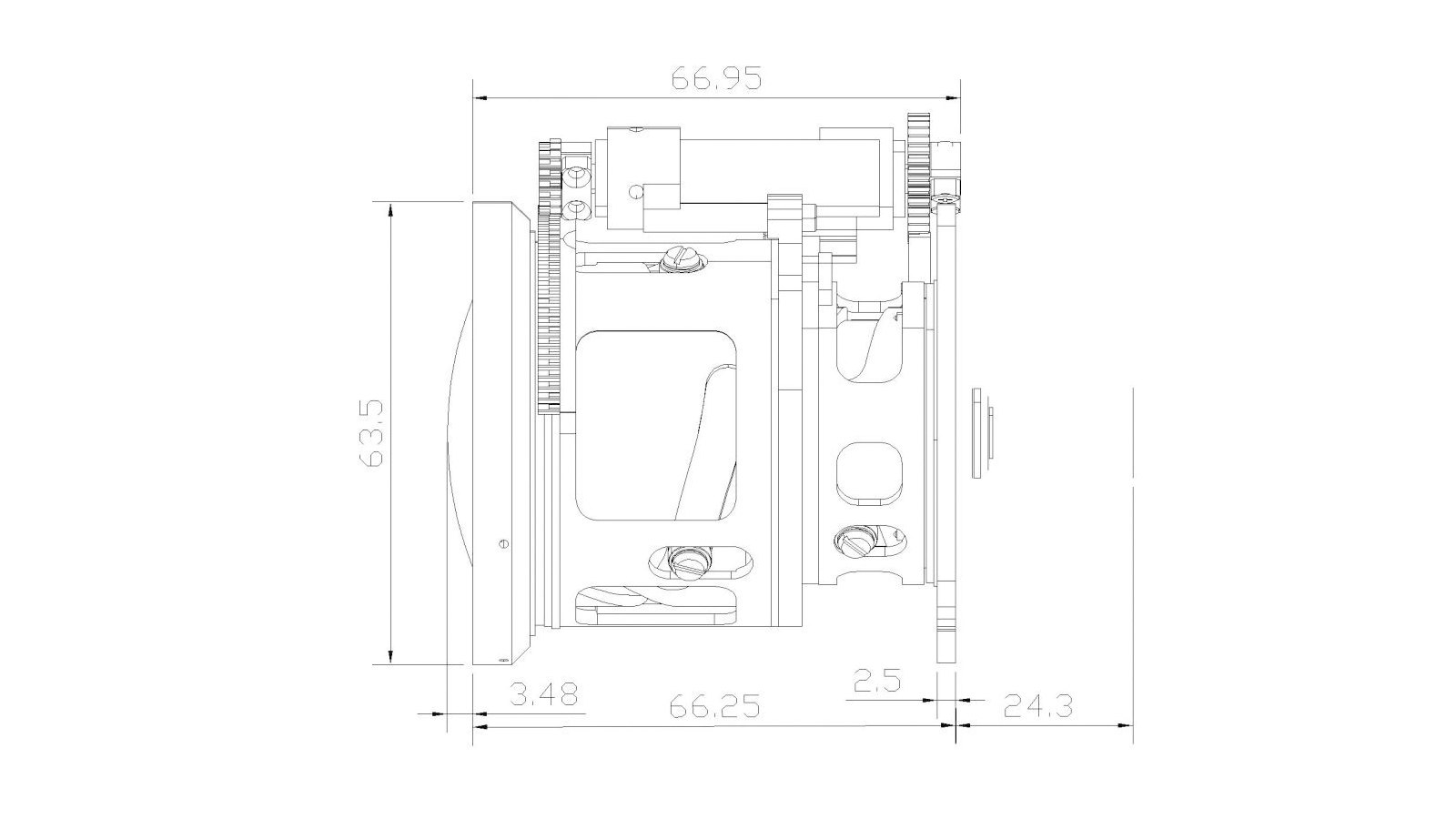
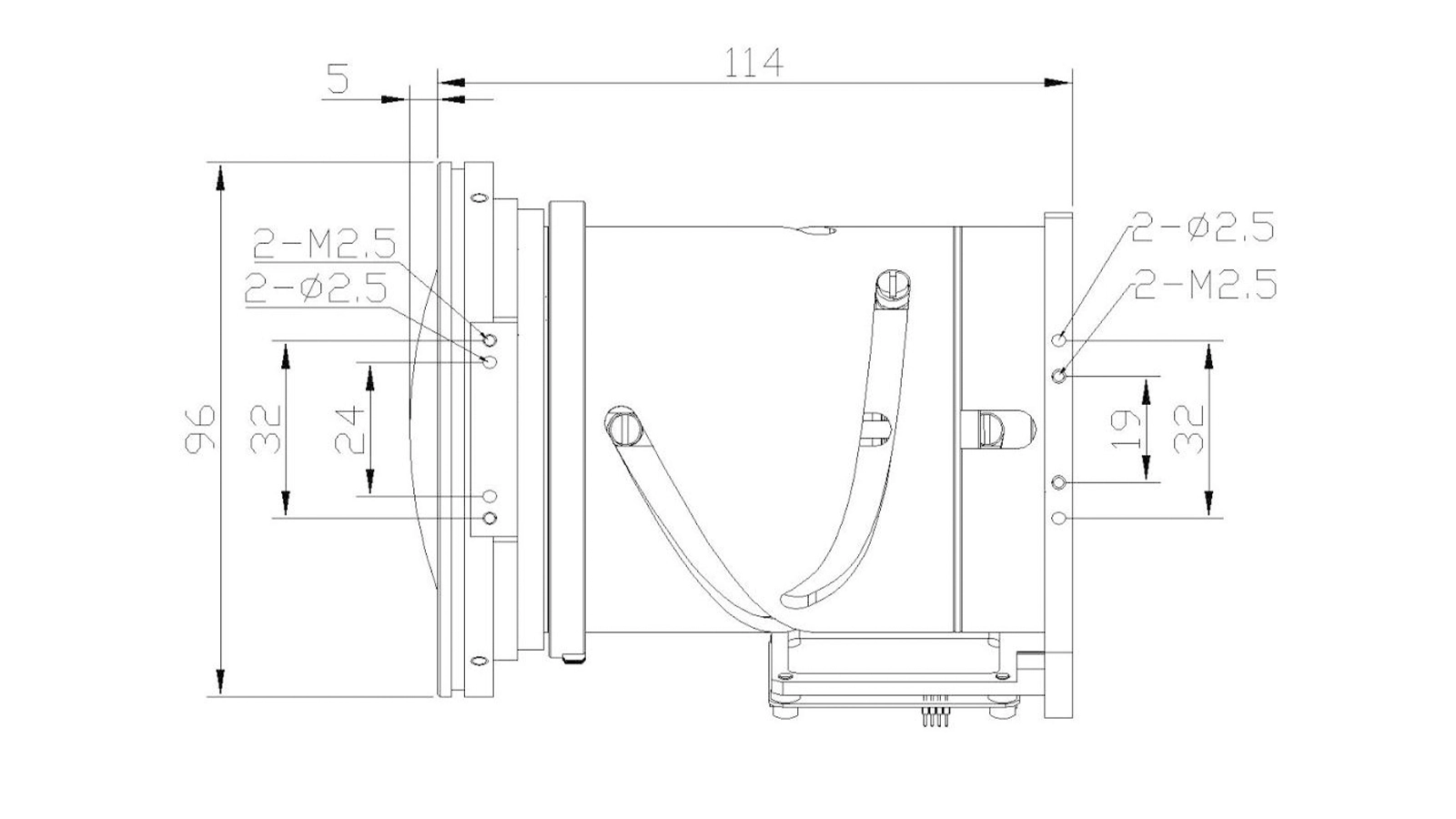
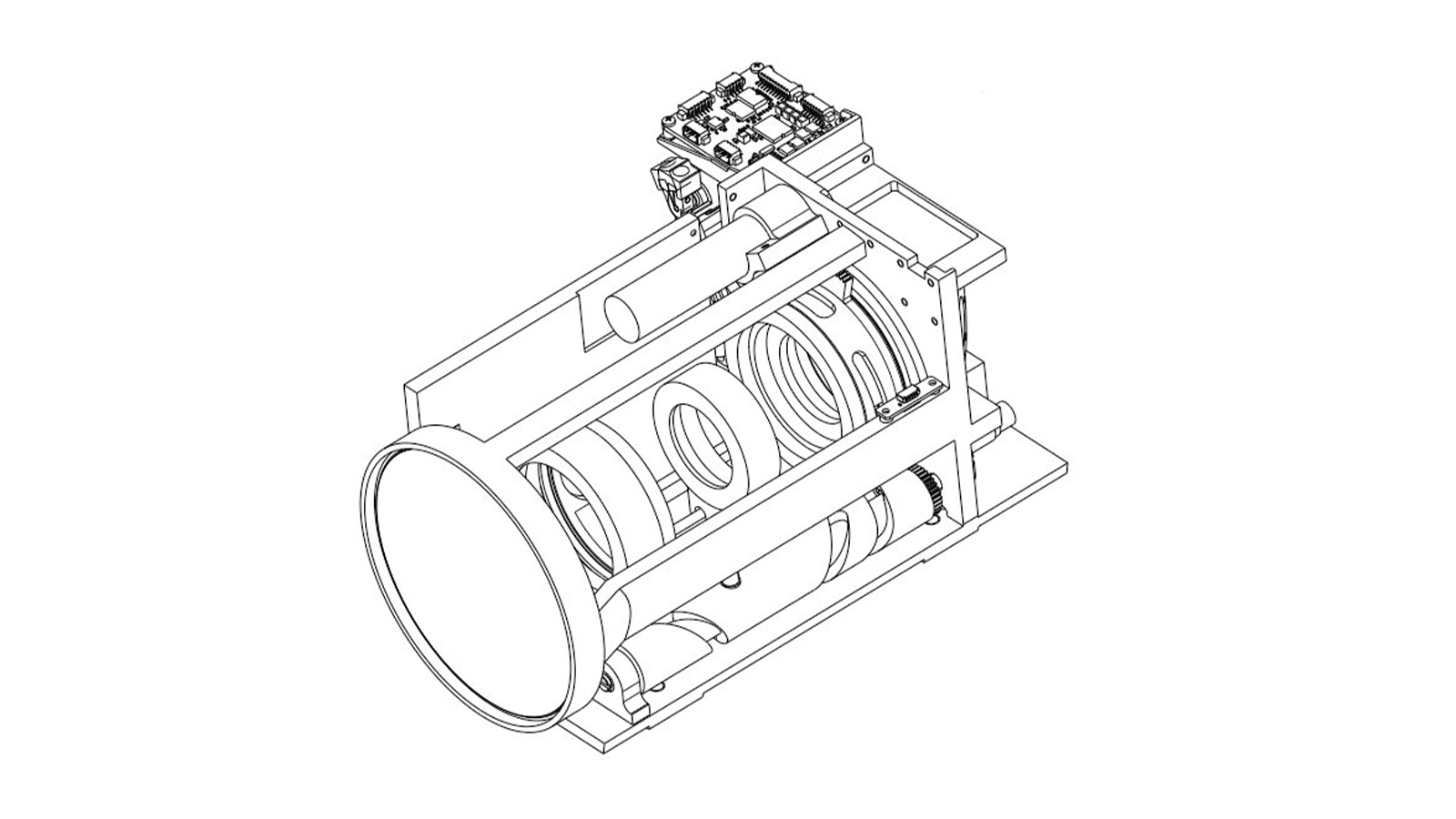
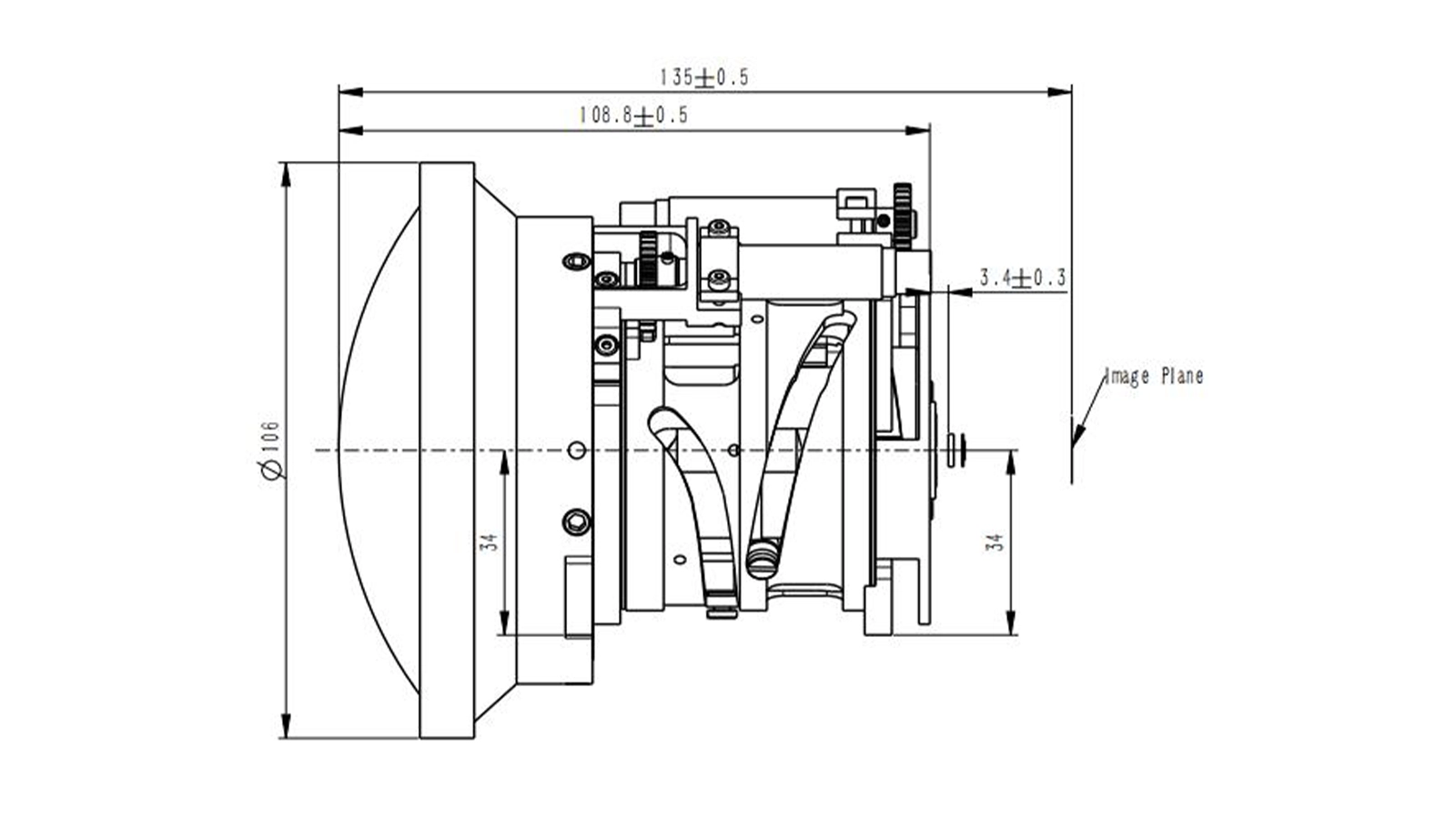
MWIR Motorized Lens Size
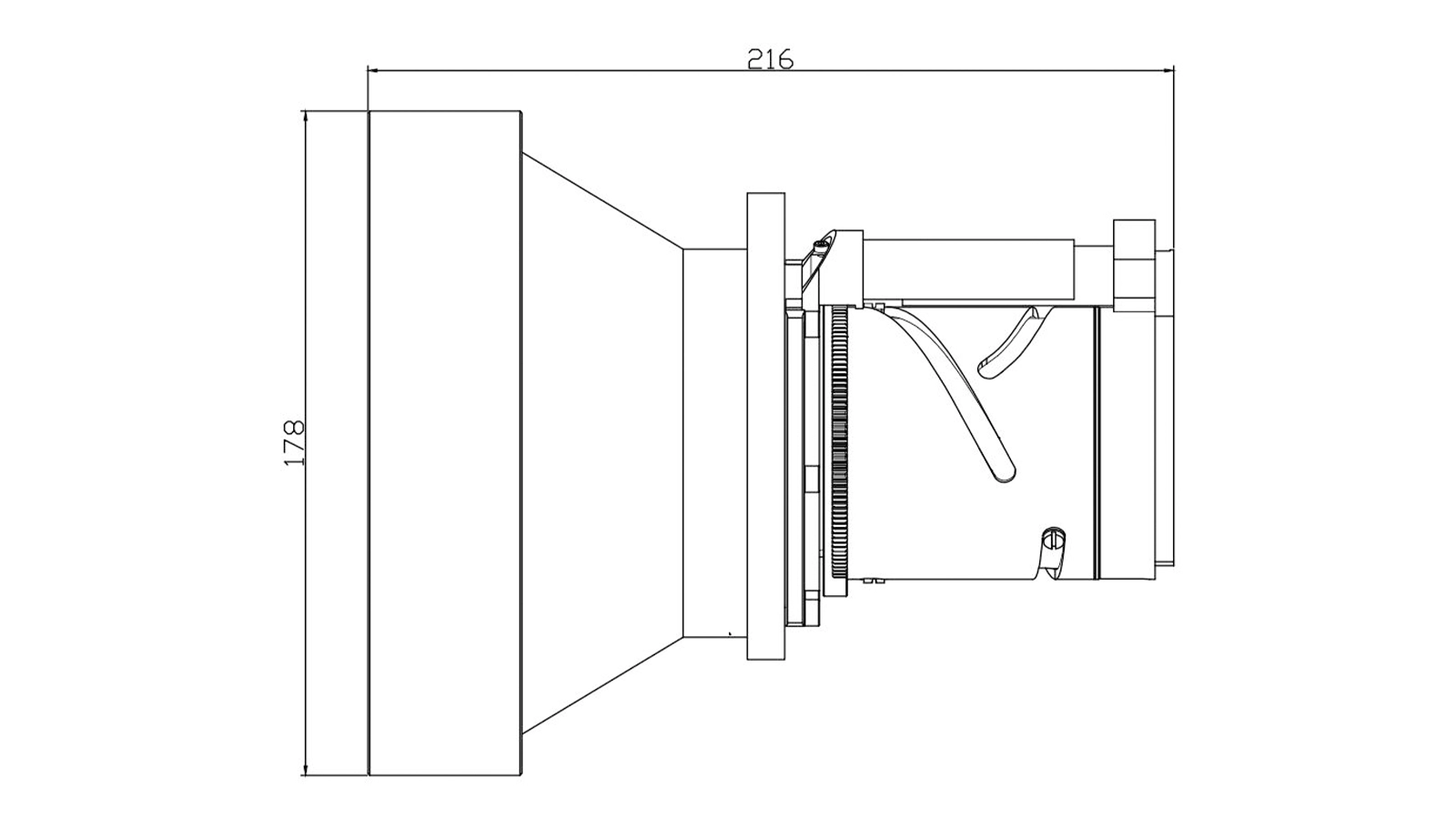
As Mw275s Dimensions
AS MW275S Size
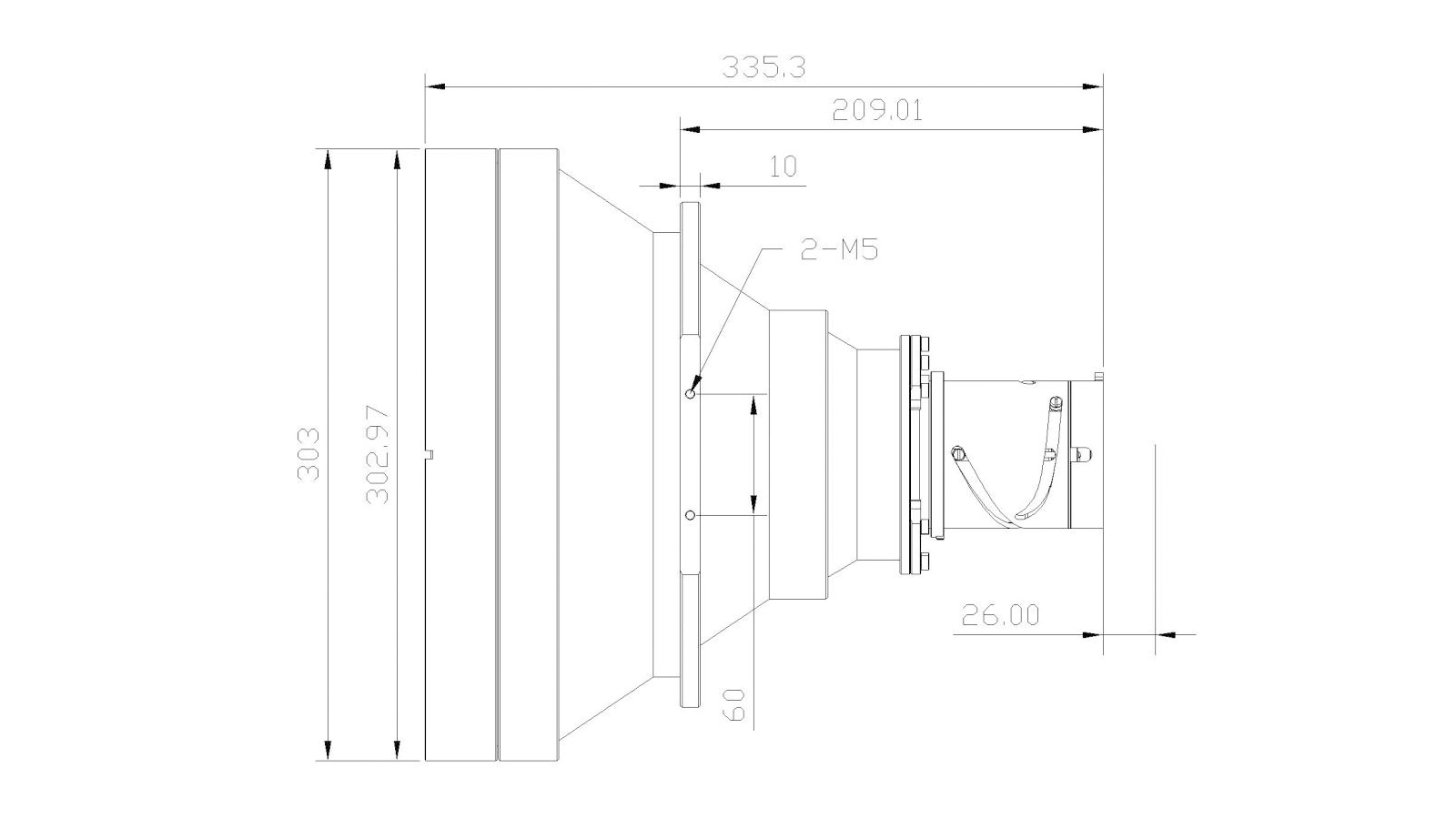
As Mw300s Dimensions
AS MW300S Size
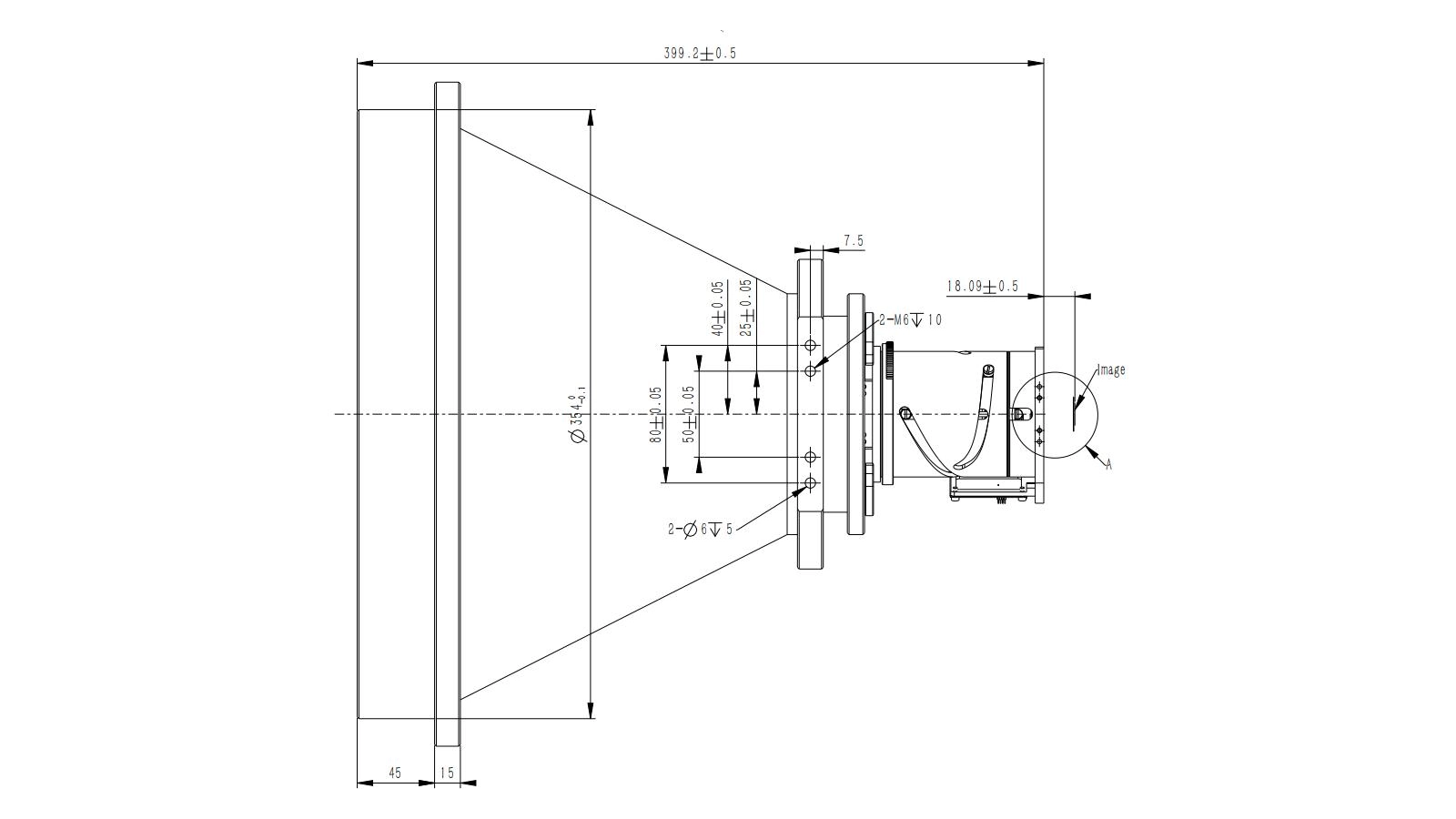
As Mw360s Dimensions
AS MW360S Size
As Mw550s Dimensions
AS MW550S Size
As Mw600s Dimensions
AS MW600S Size
As Mw900s Dimensions
AS MW900S Size
As Mw1200s Dimensions
AS MW1200S Size
MW275S Motorized Zoom Lens
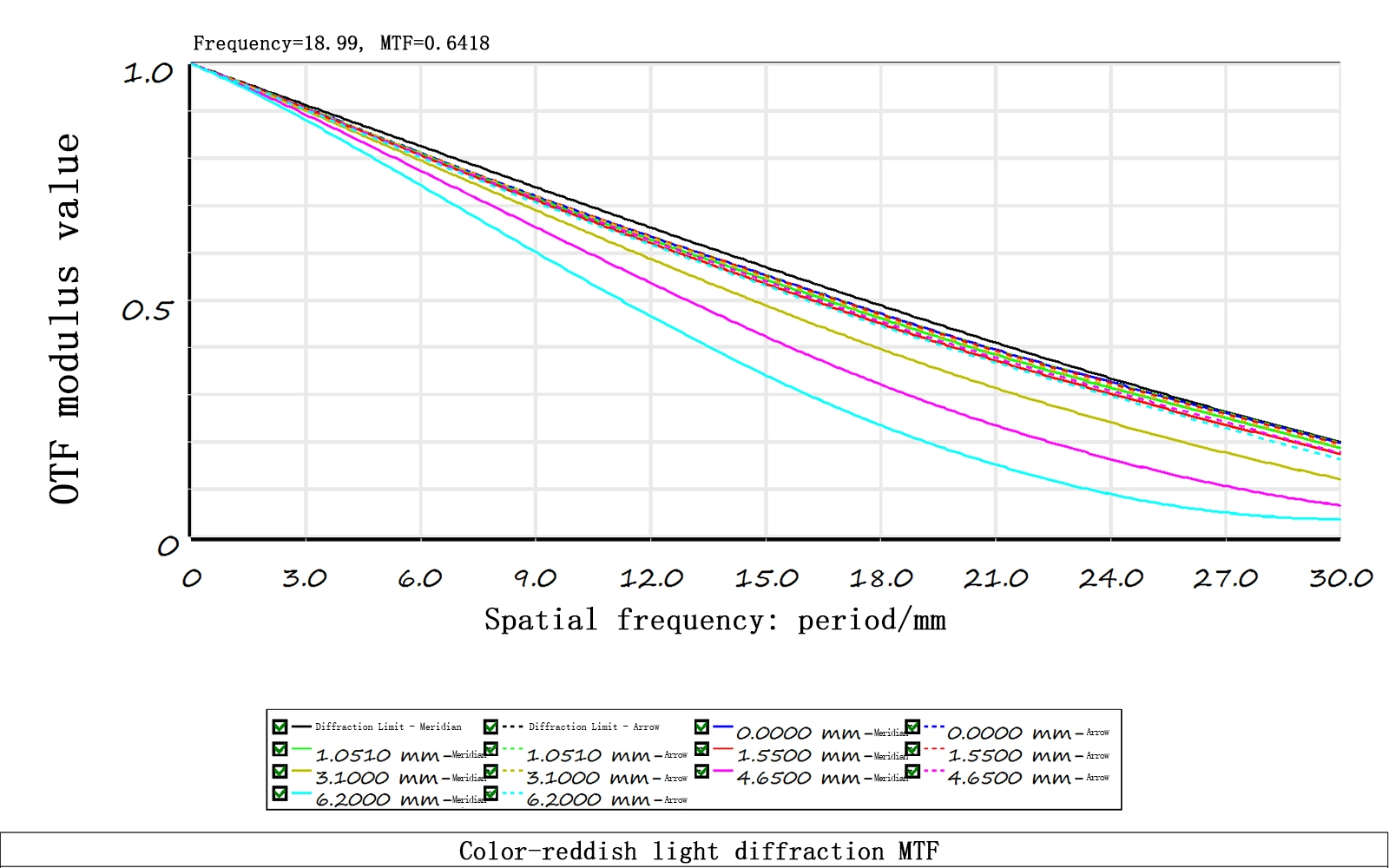
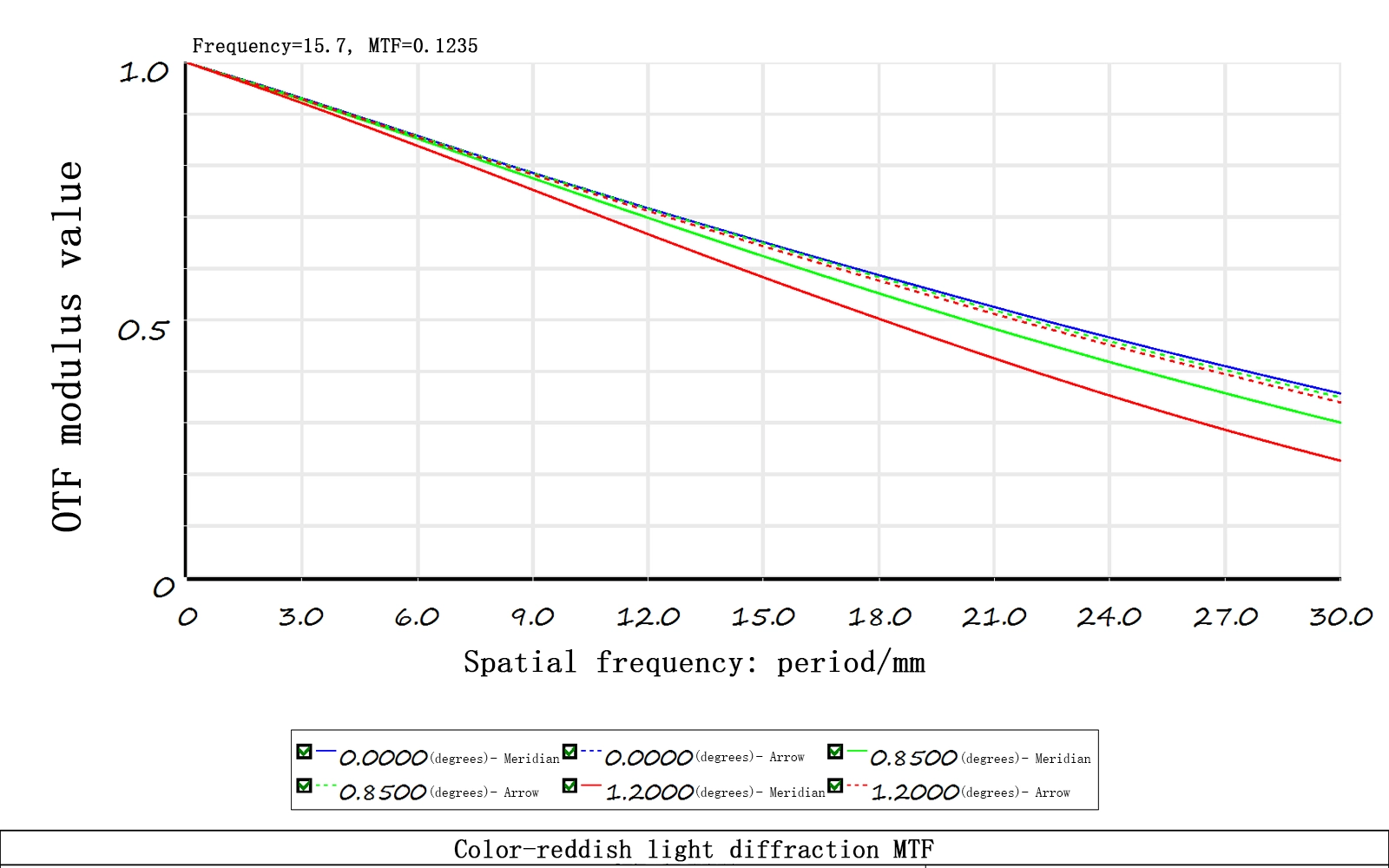
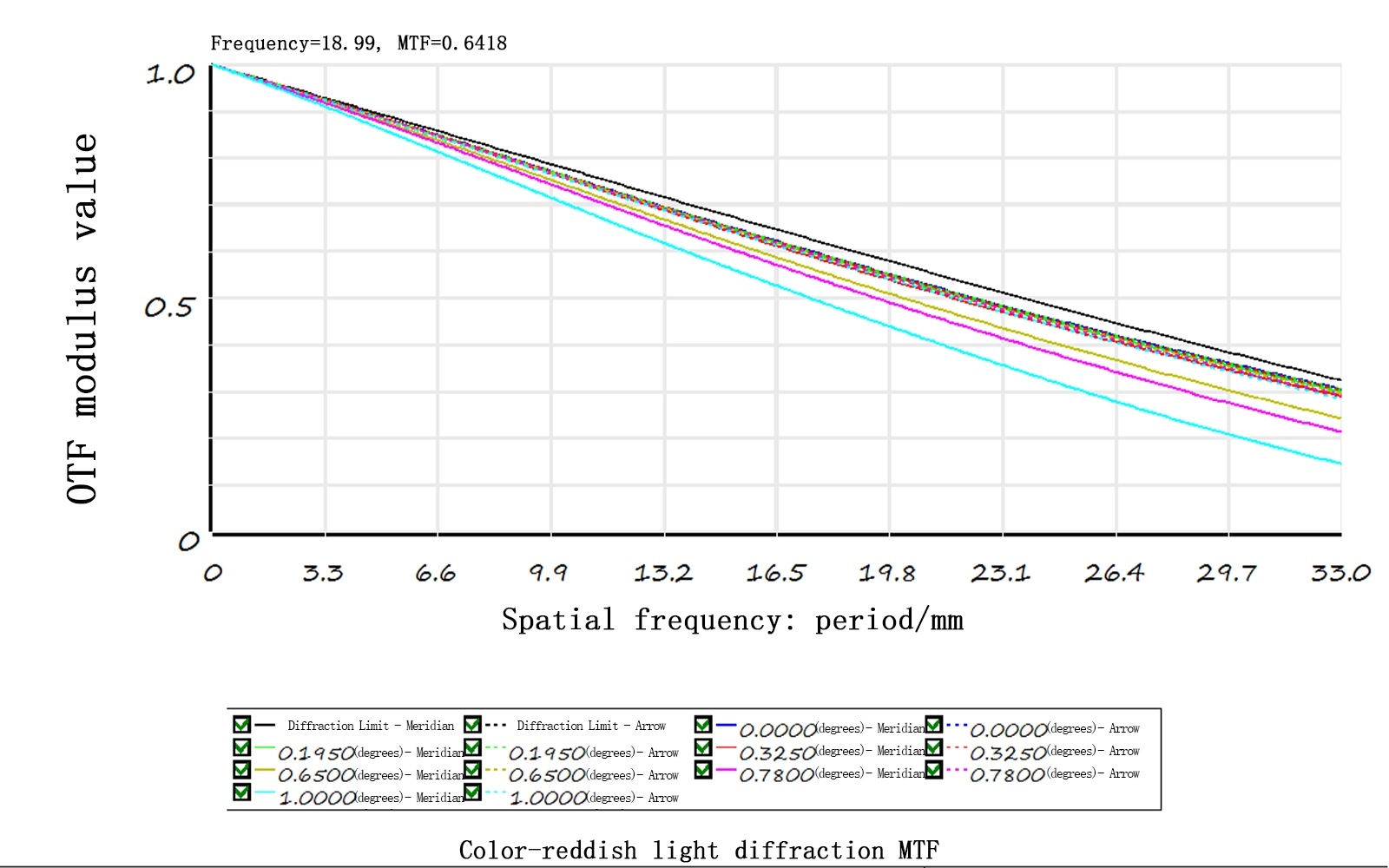
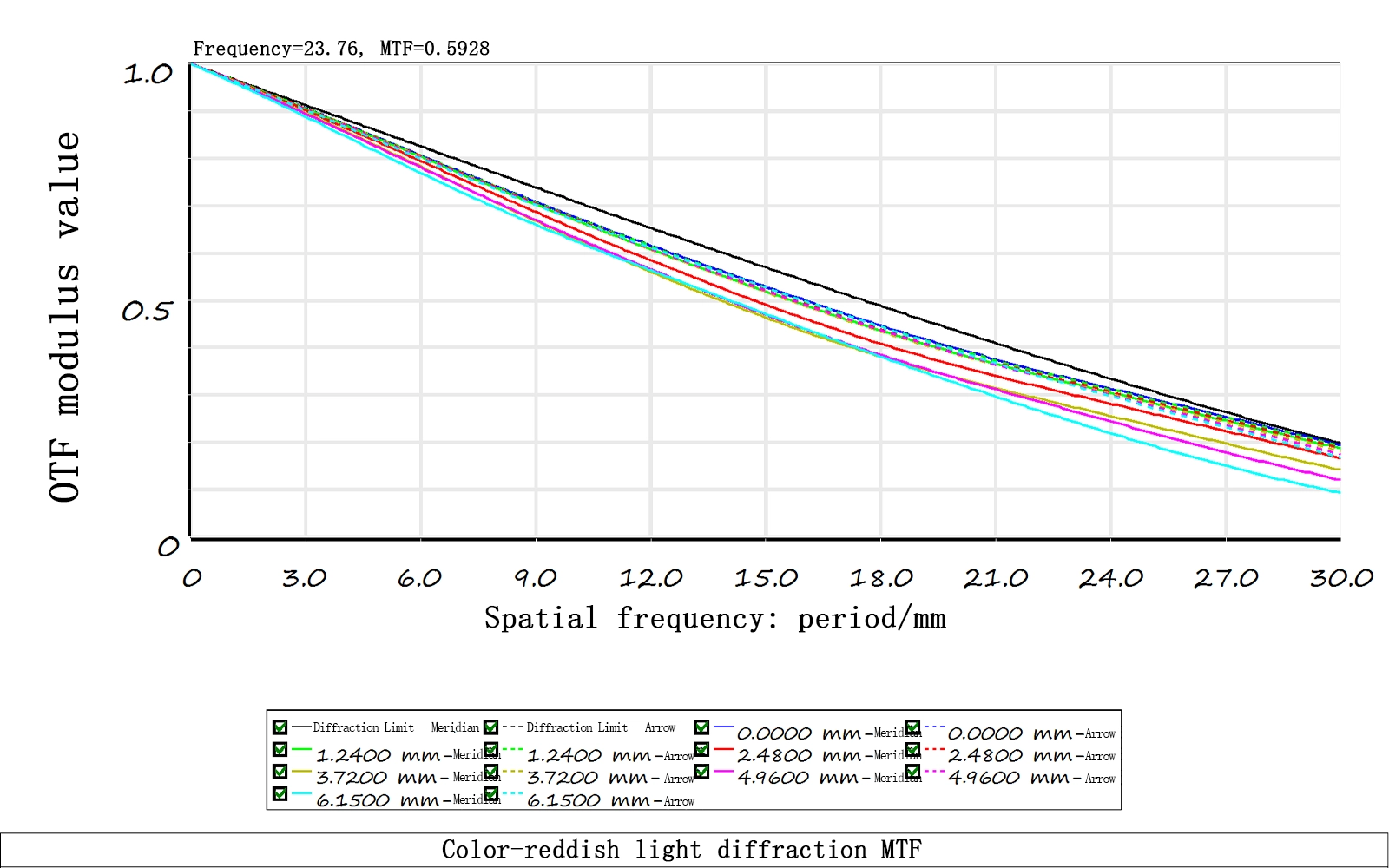
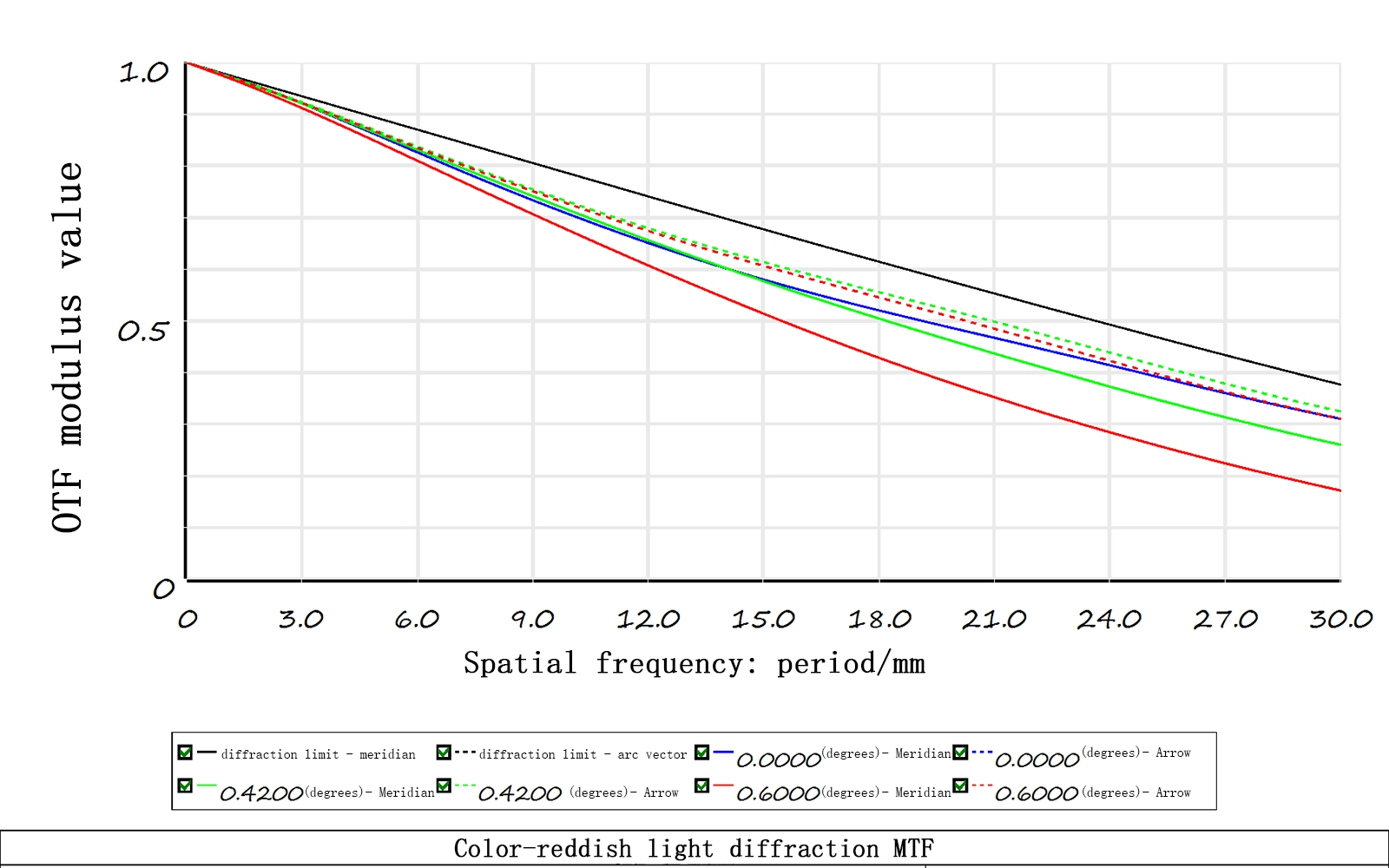
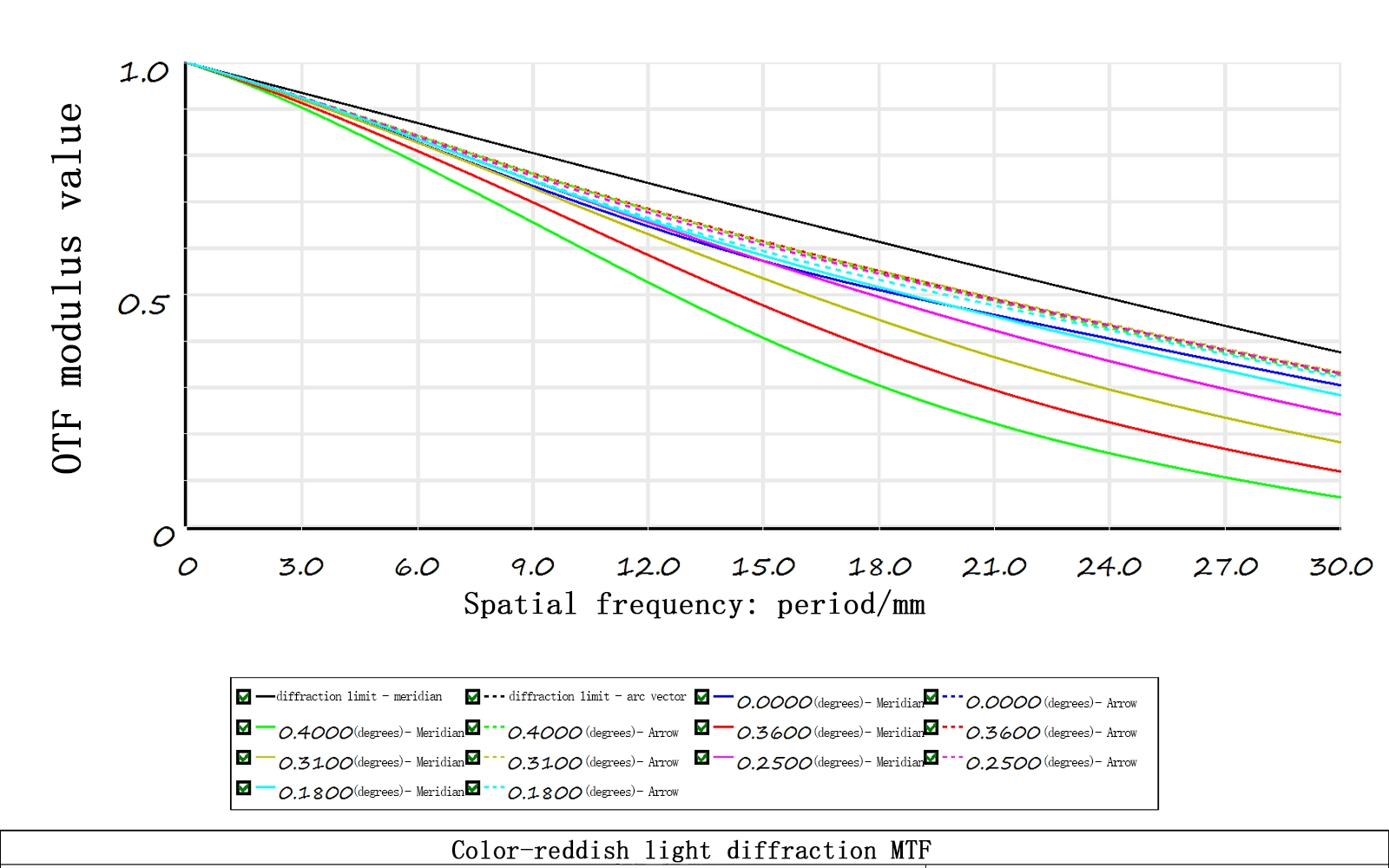
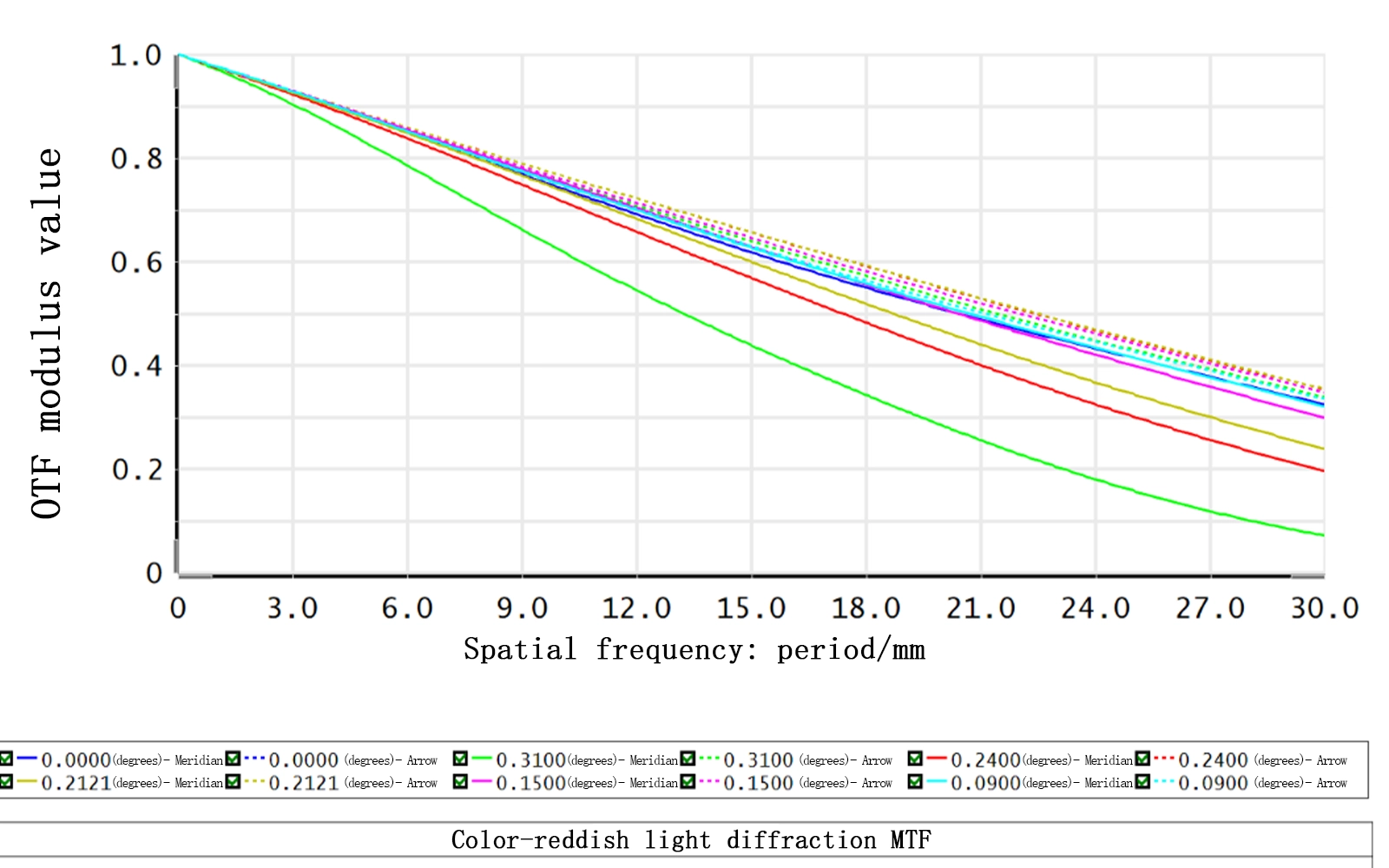
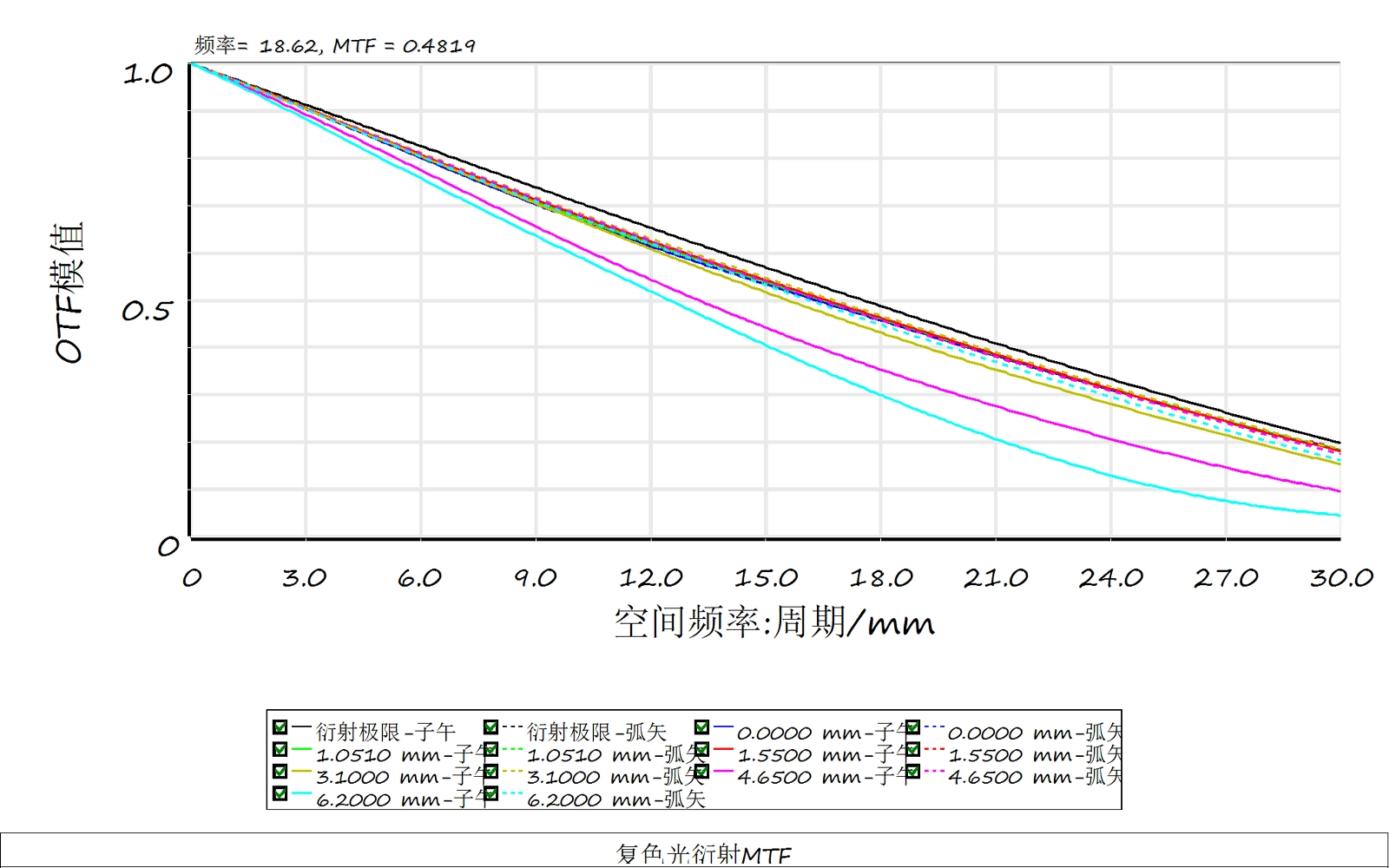
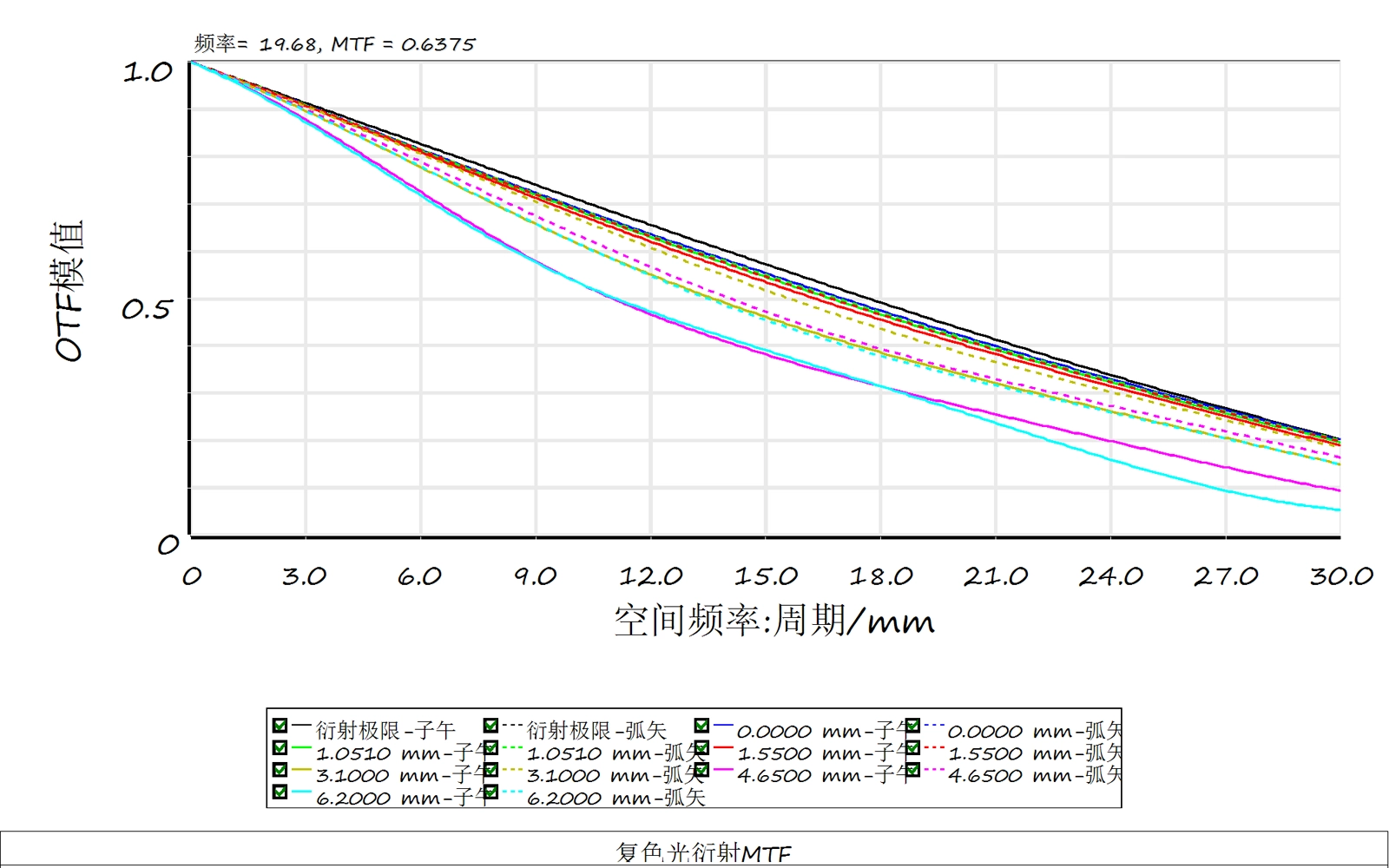
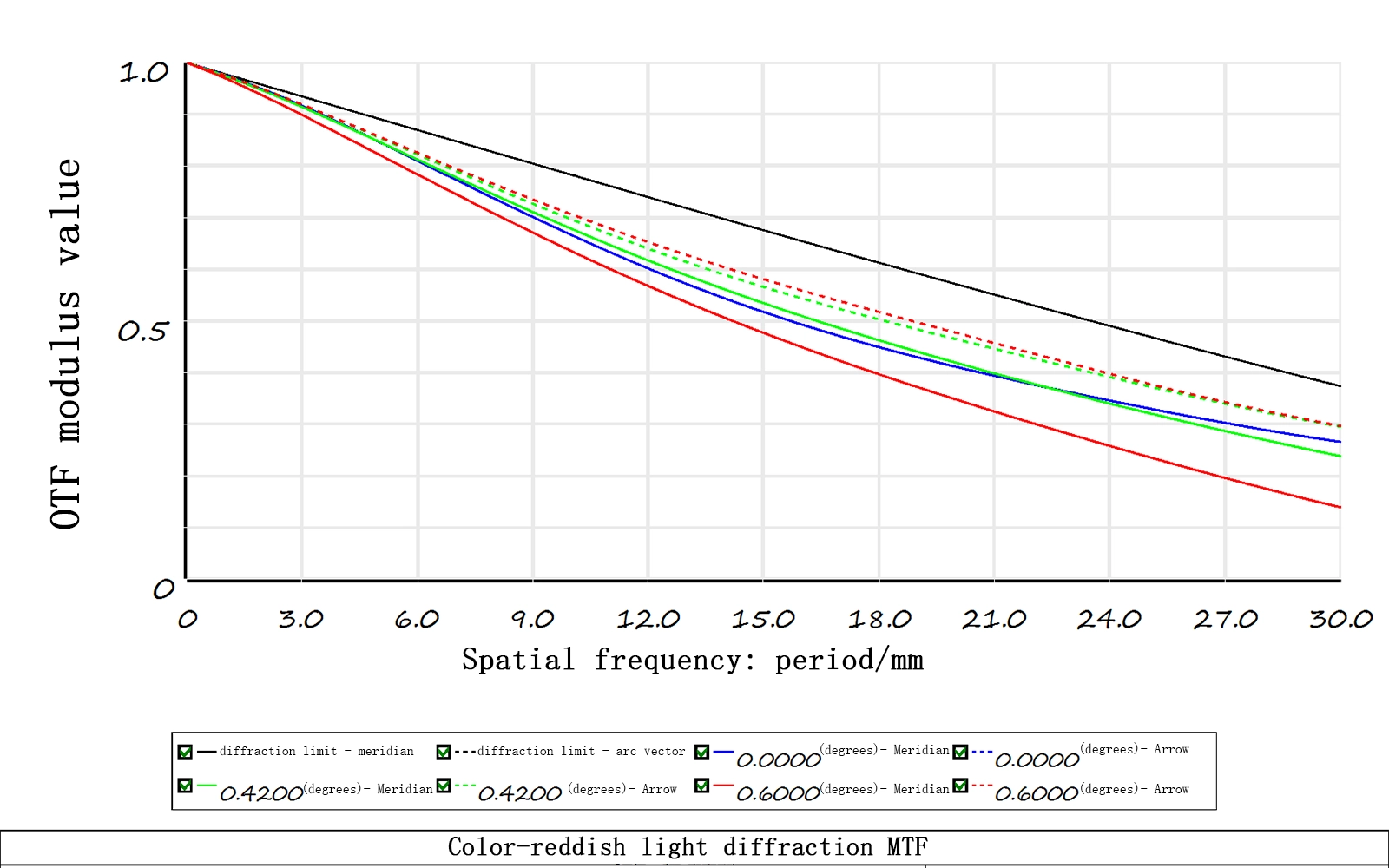
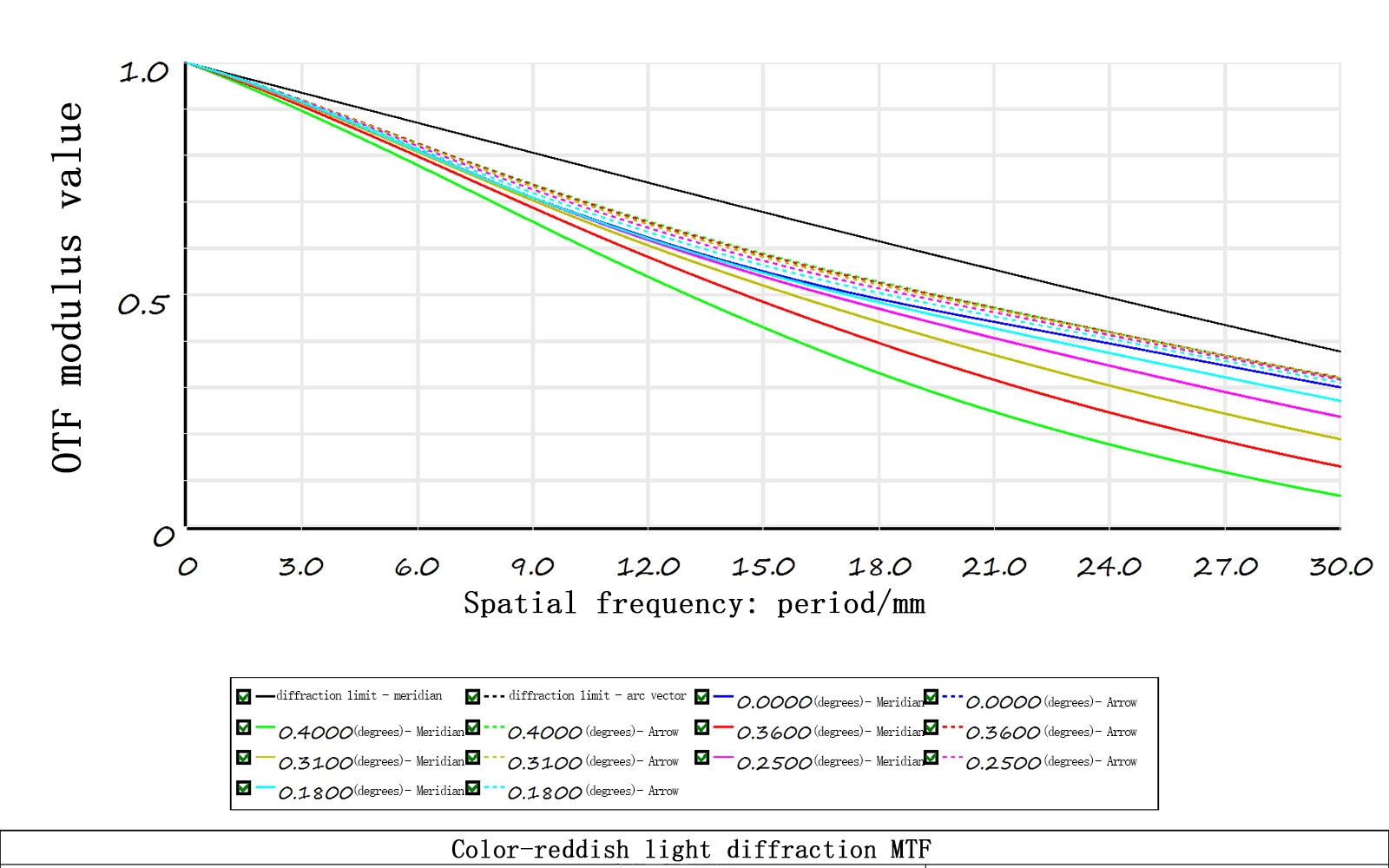
Mw275s Mtf
MW275S MTF
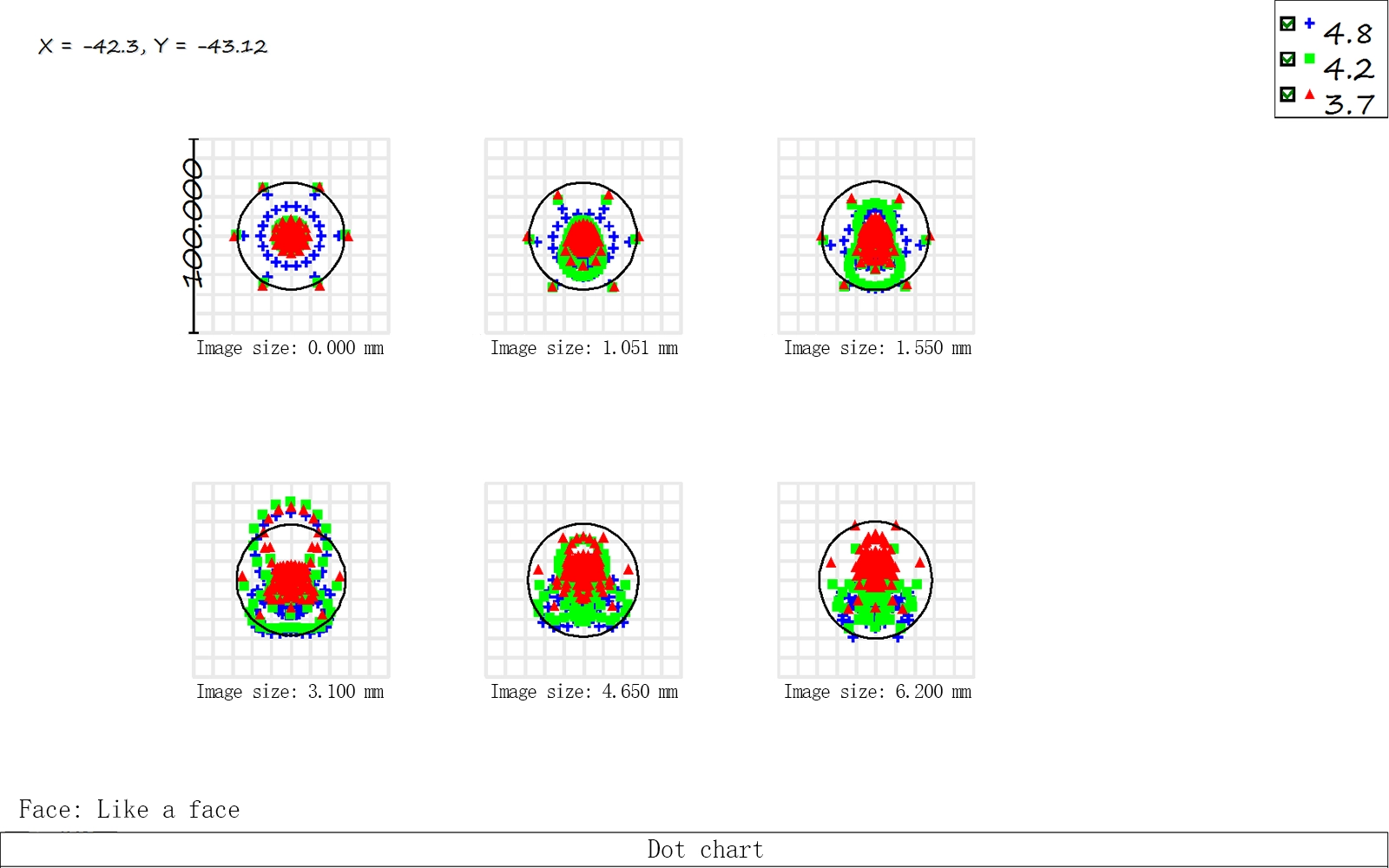
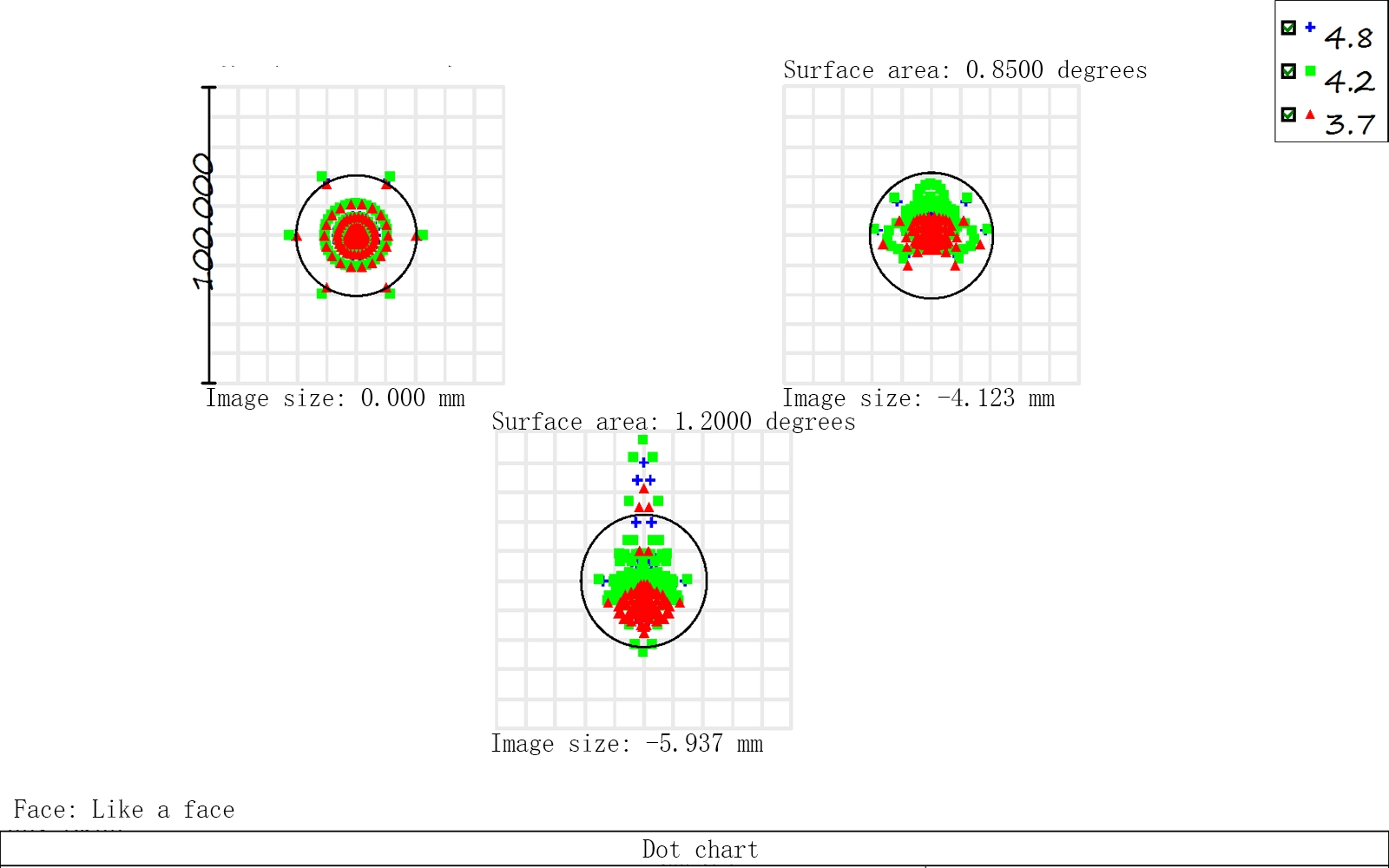
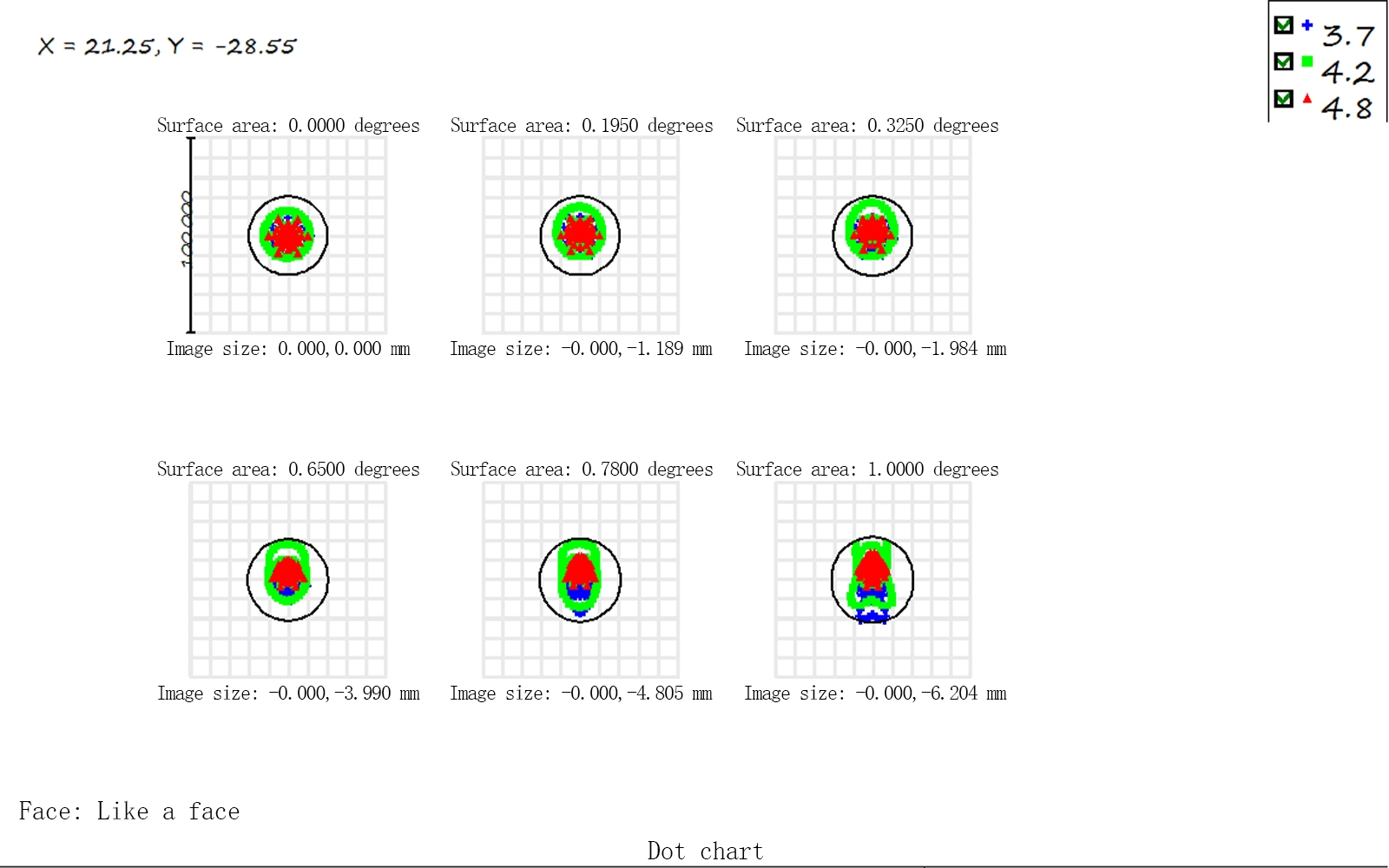
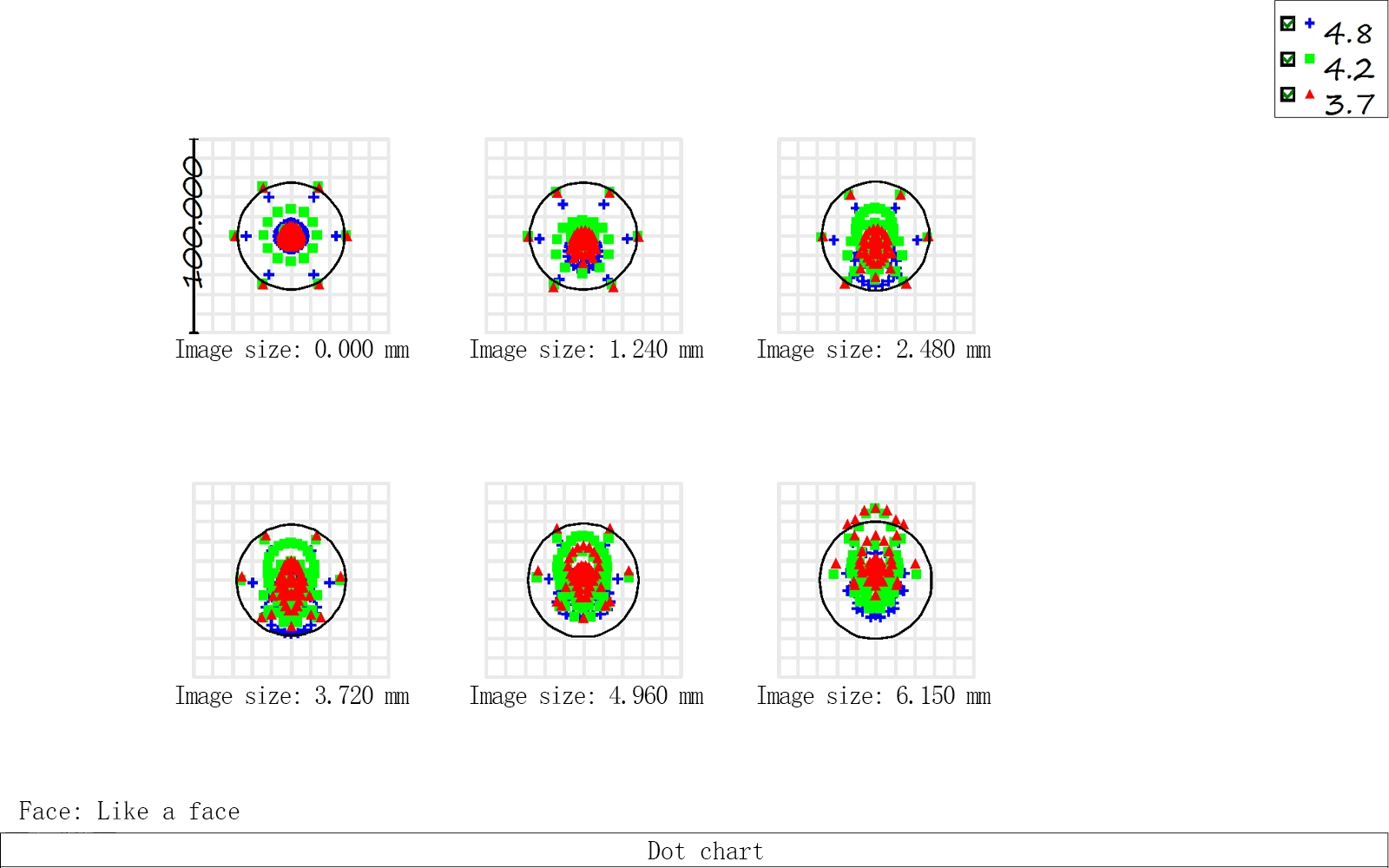
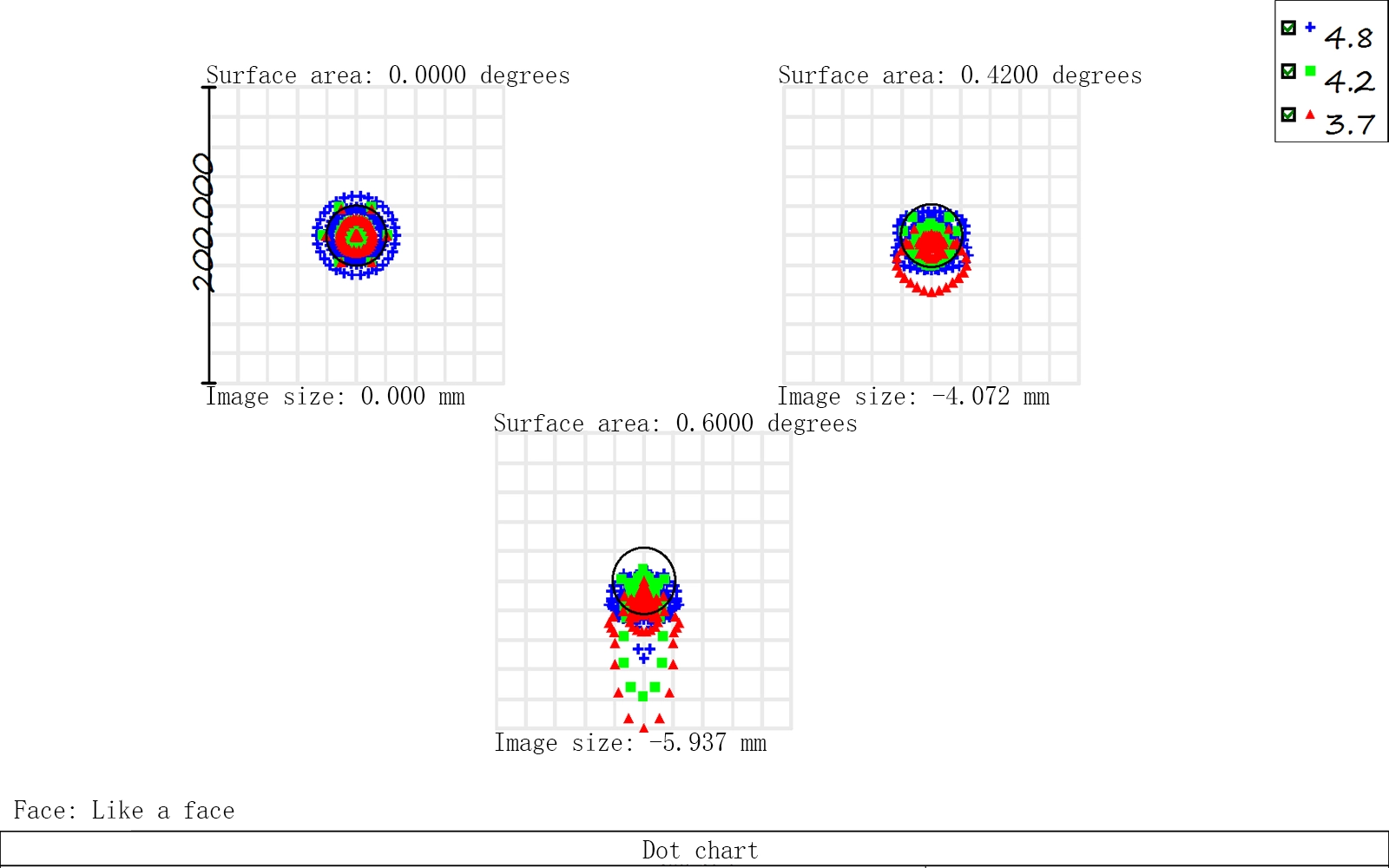
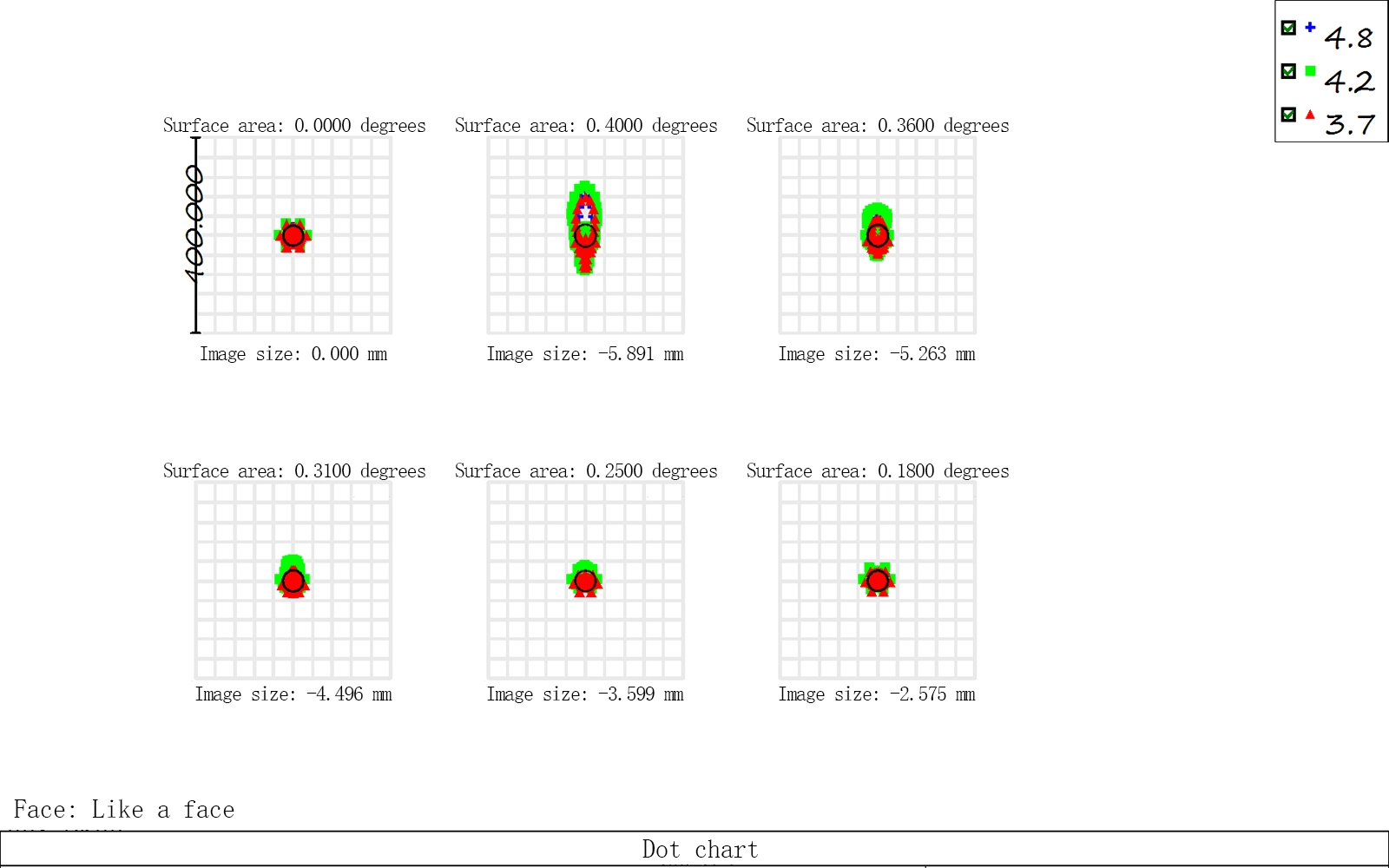
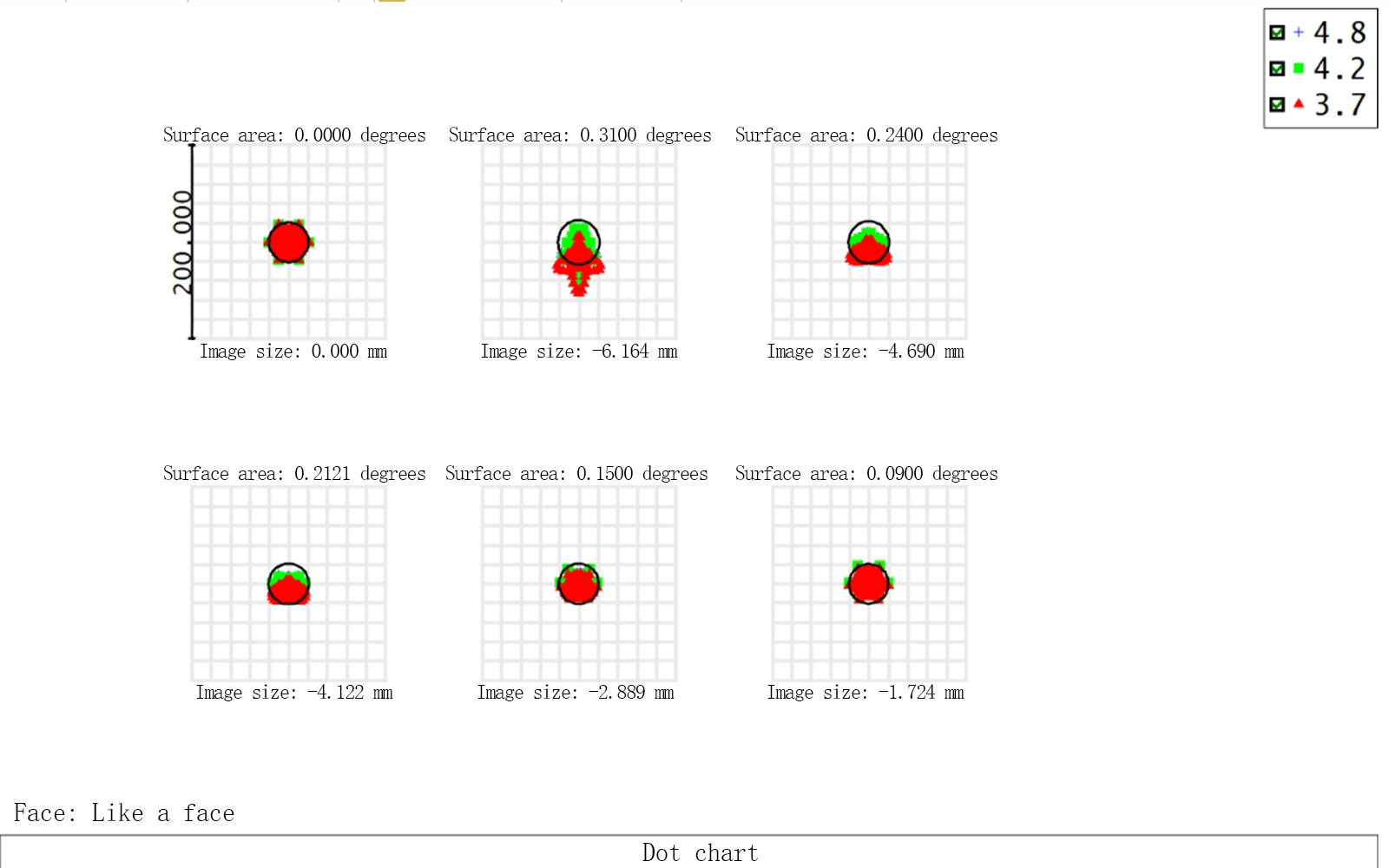
Mw275s Dot Chart
MW275S Dot Chart
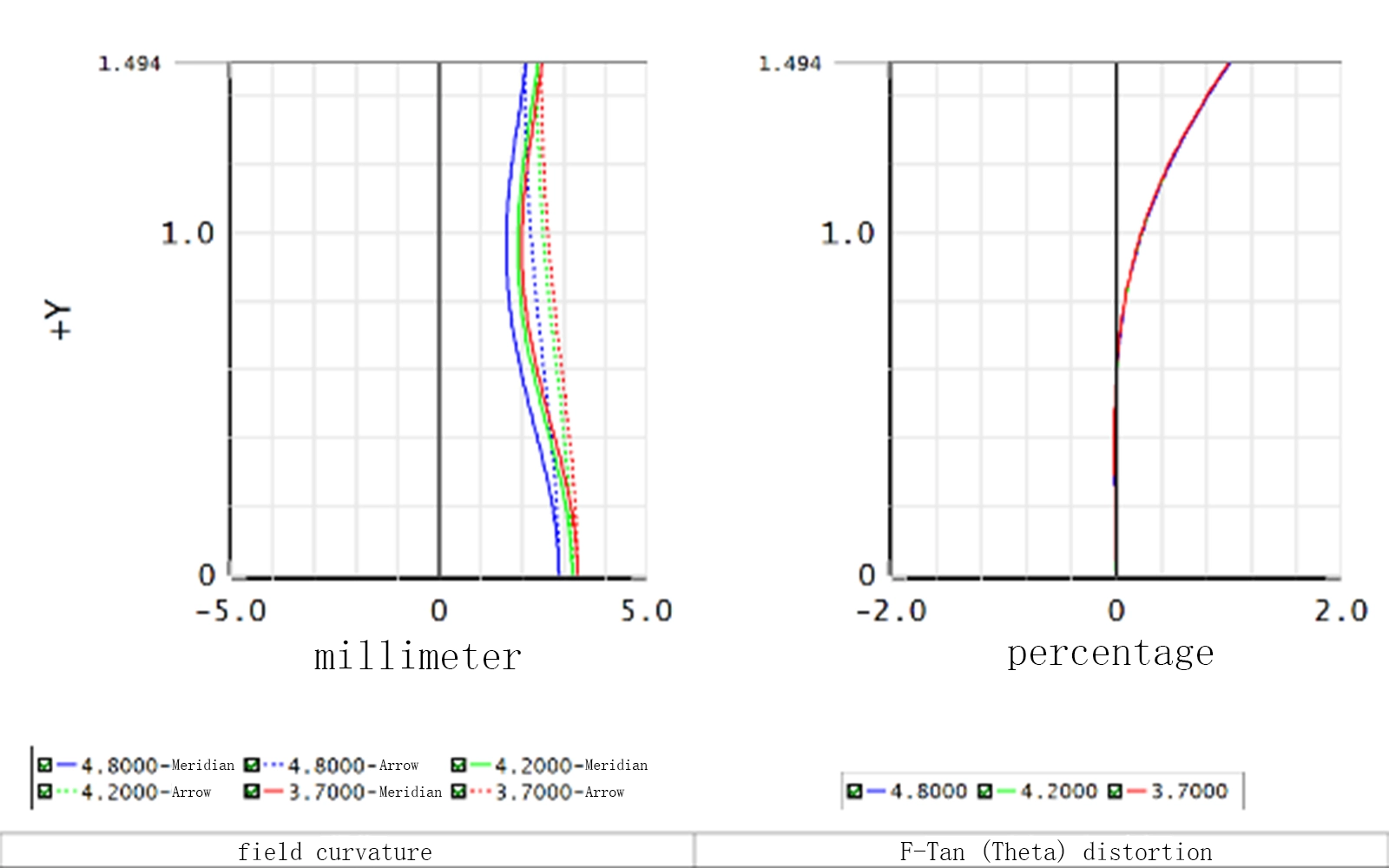
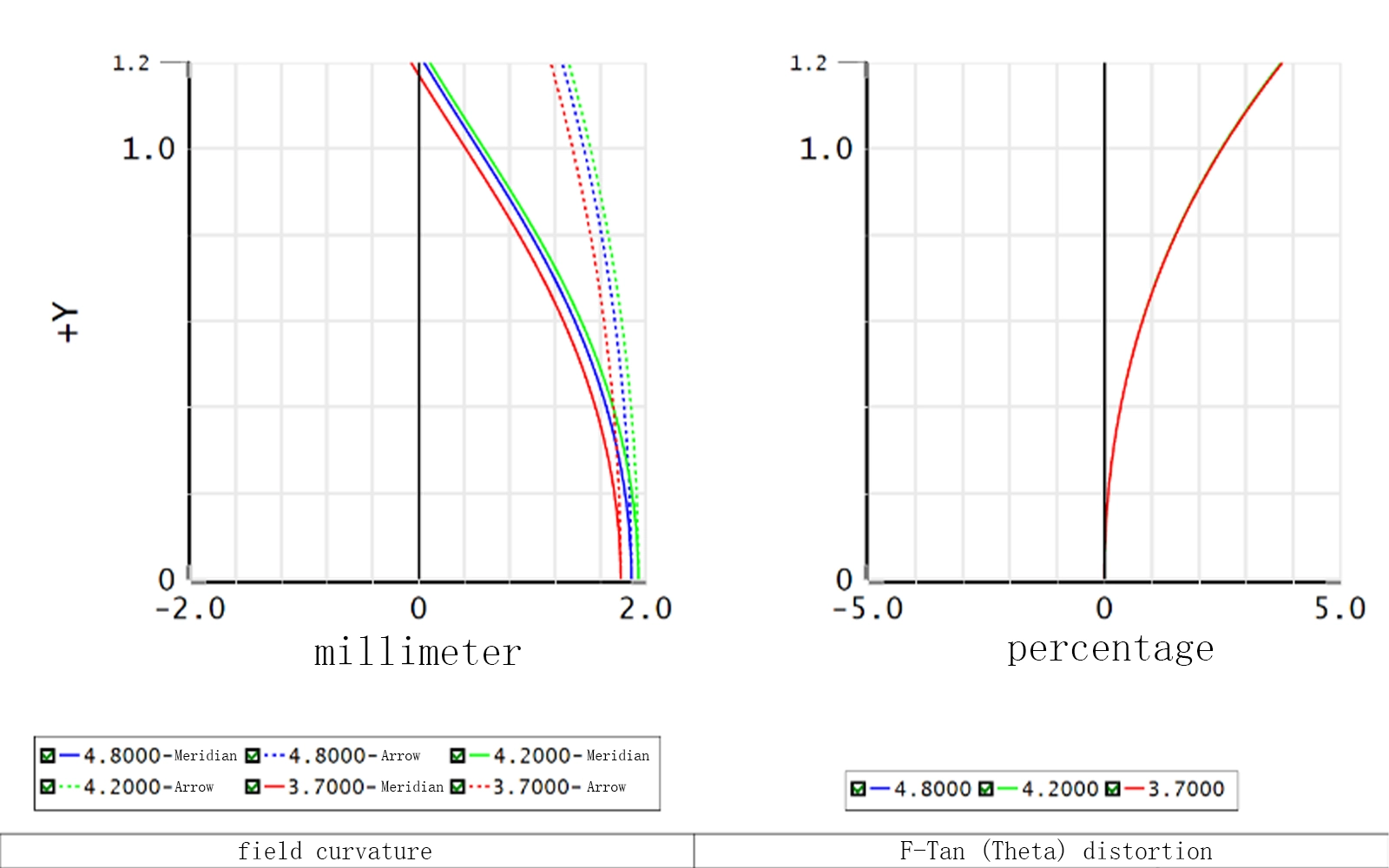
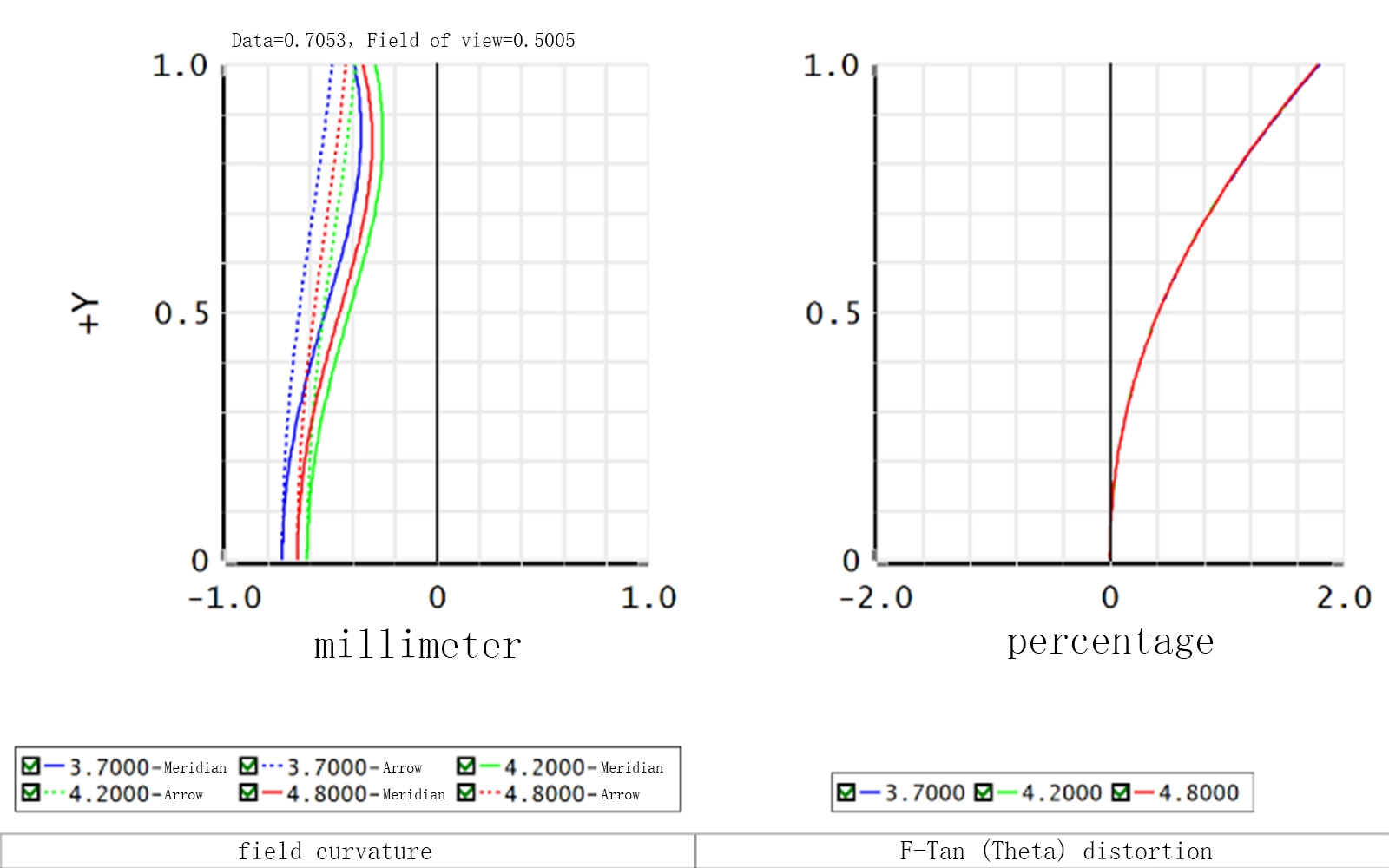
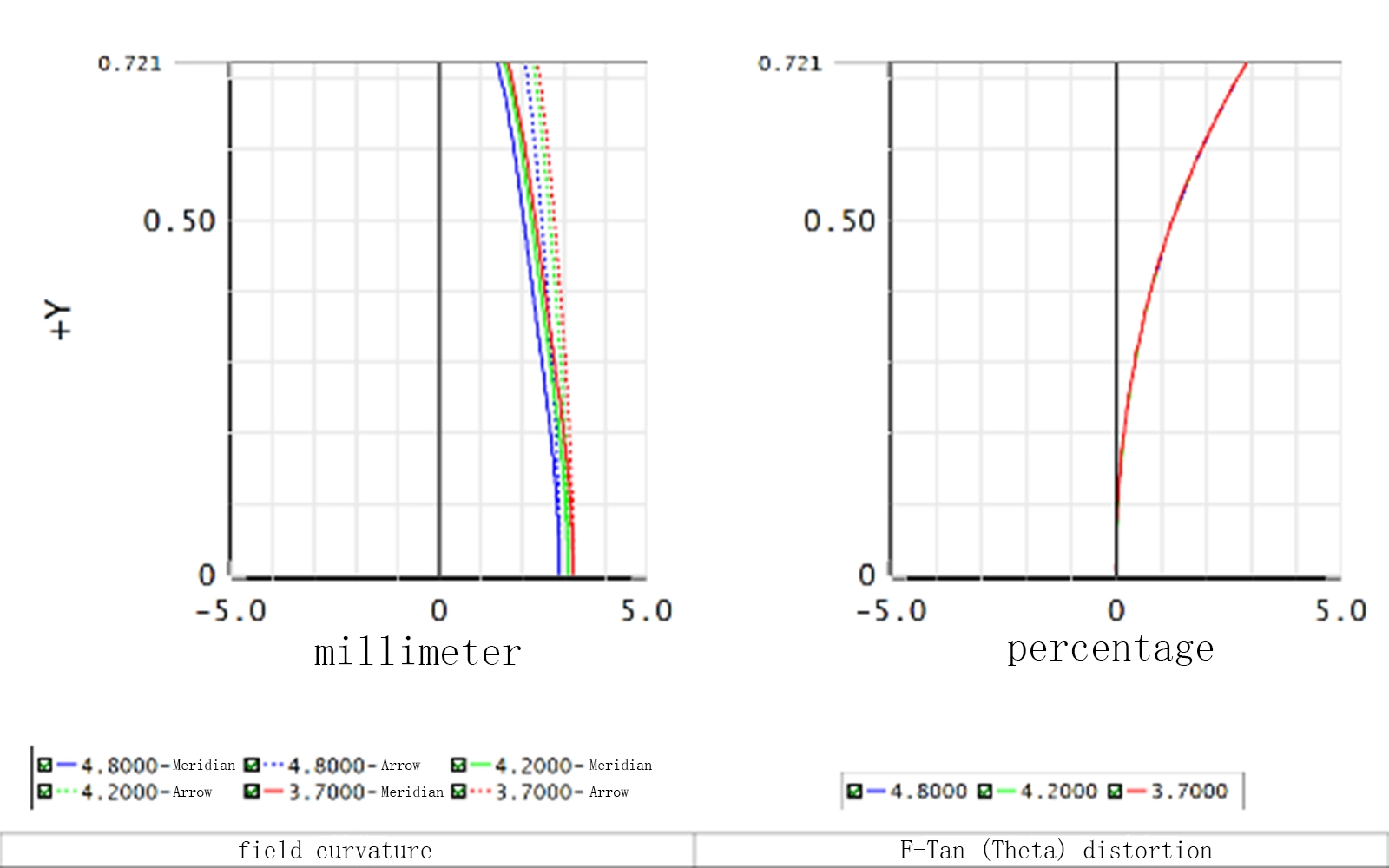
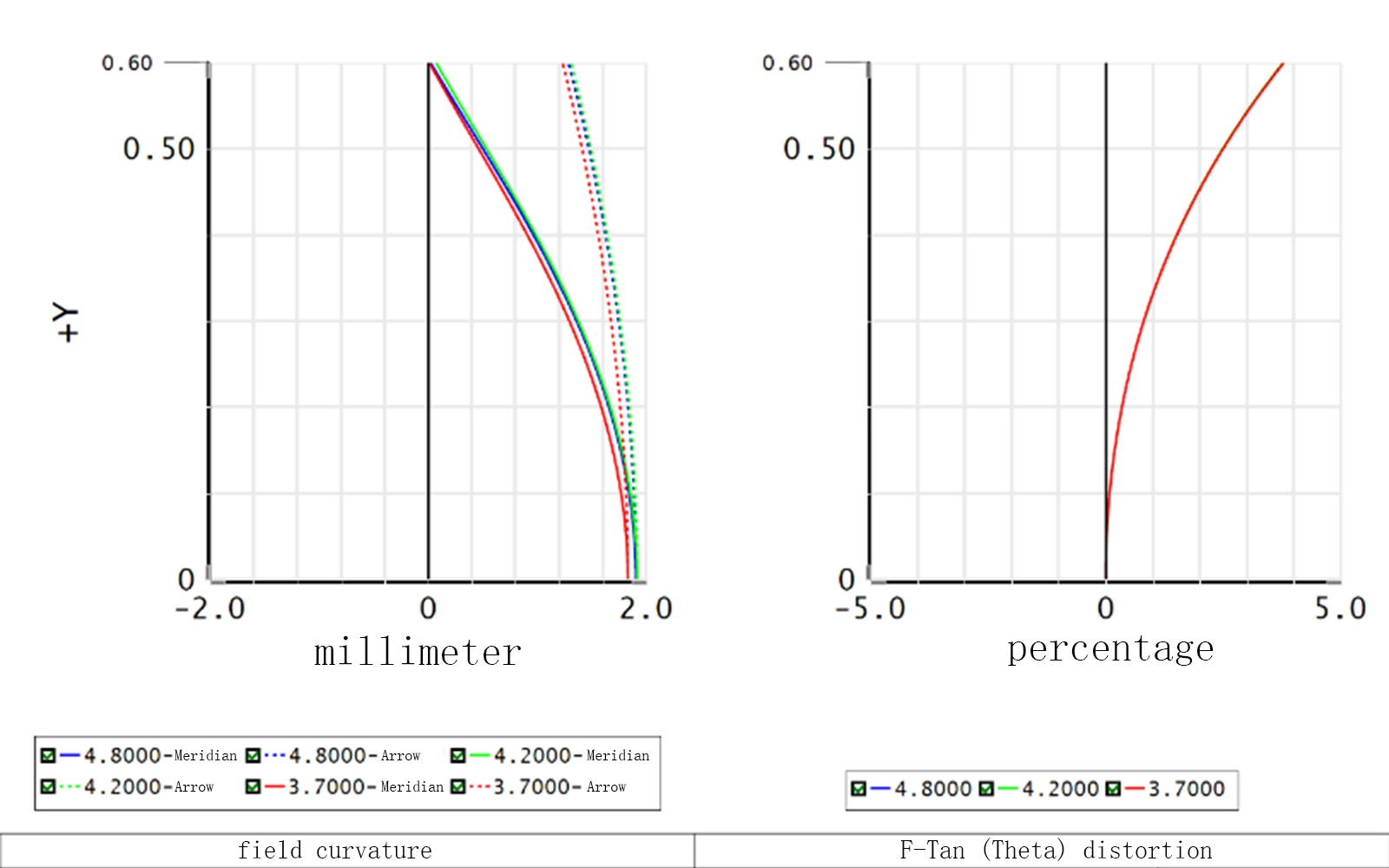
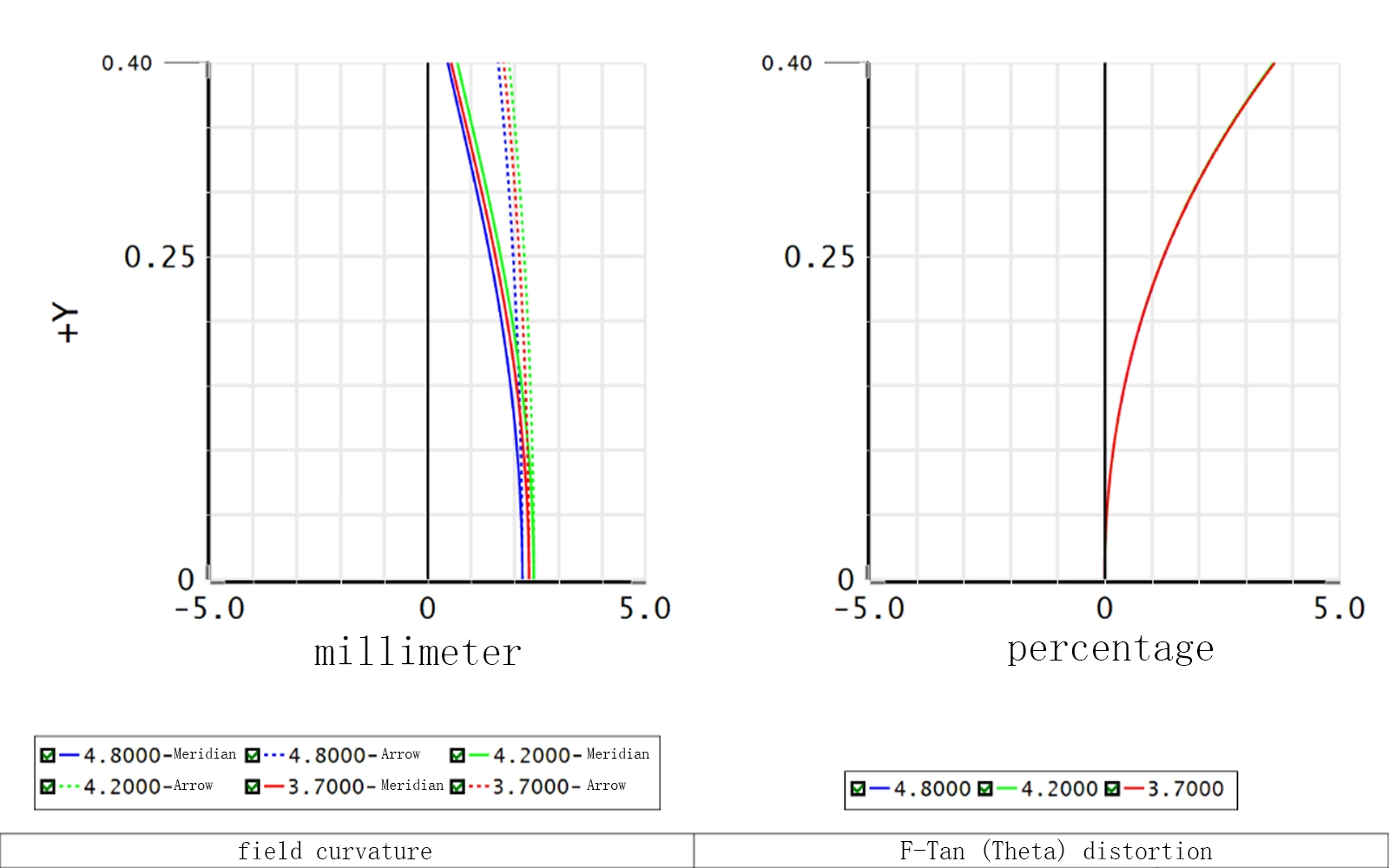
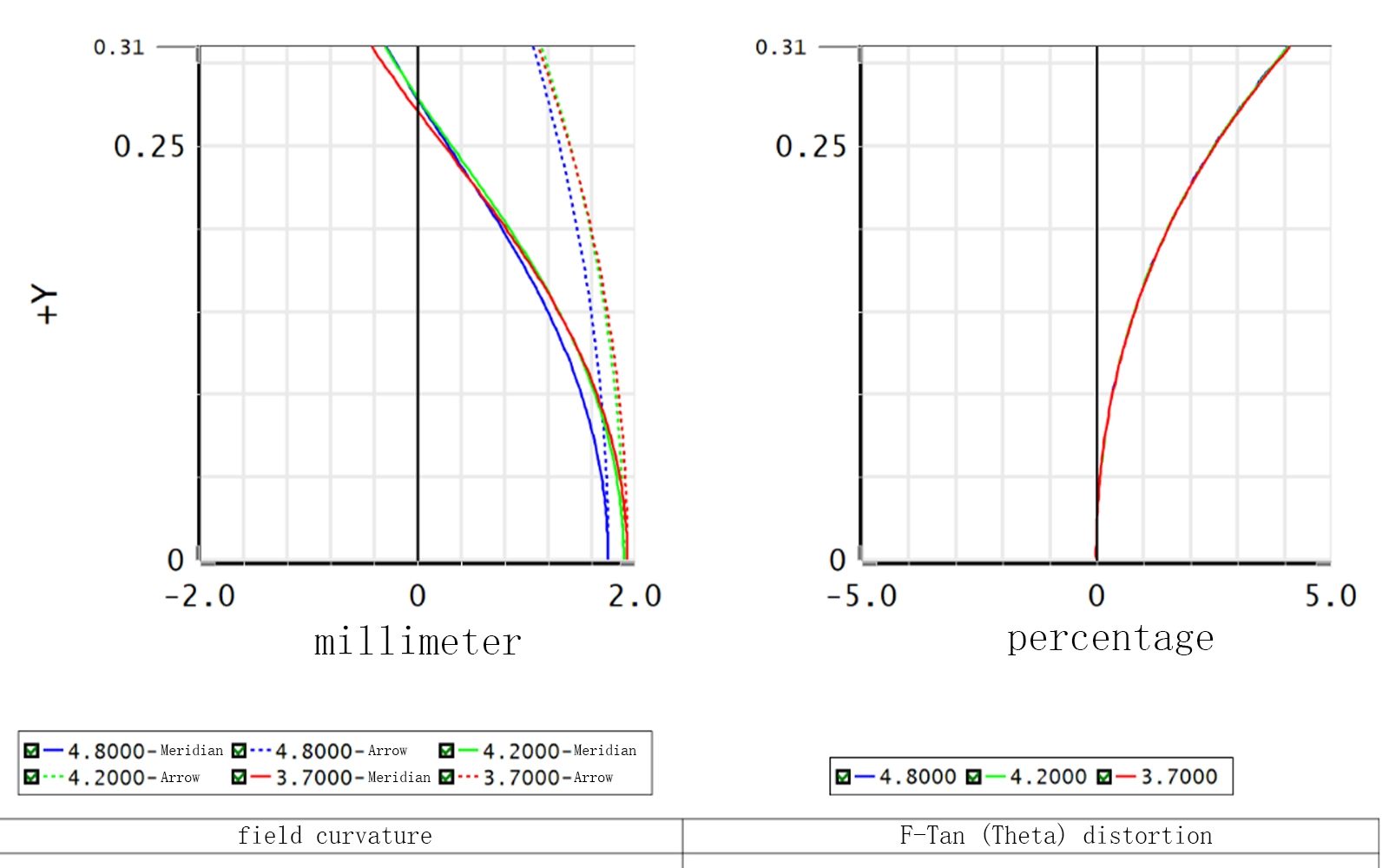
Mw275s Field Curvature Distortion
MW275S Field Curvature Distortion
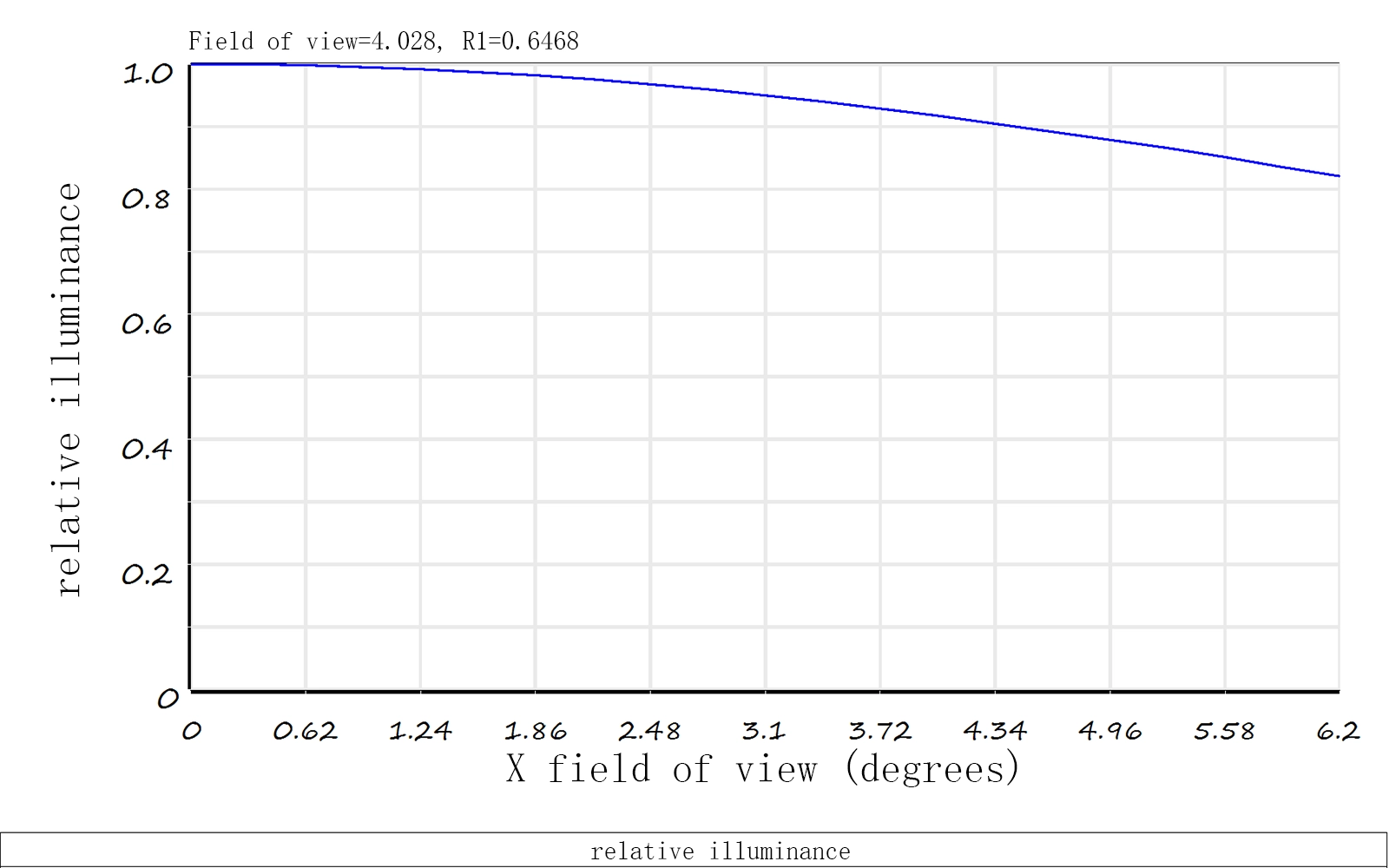
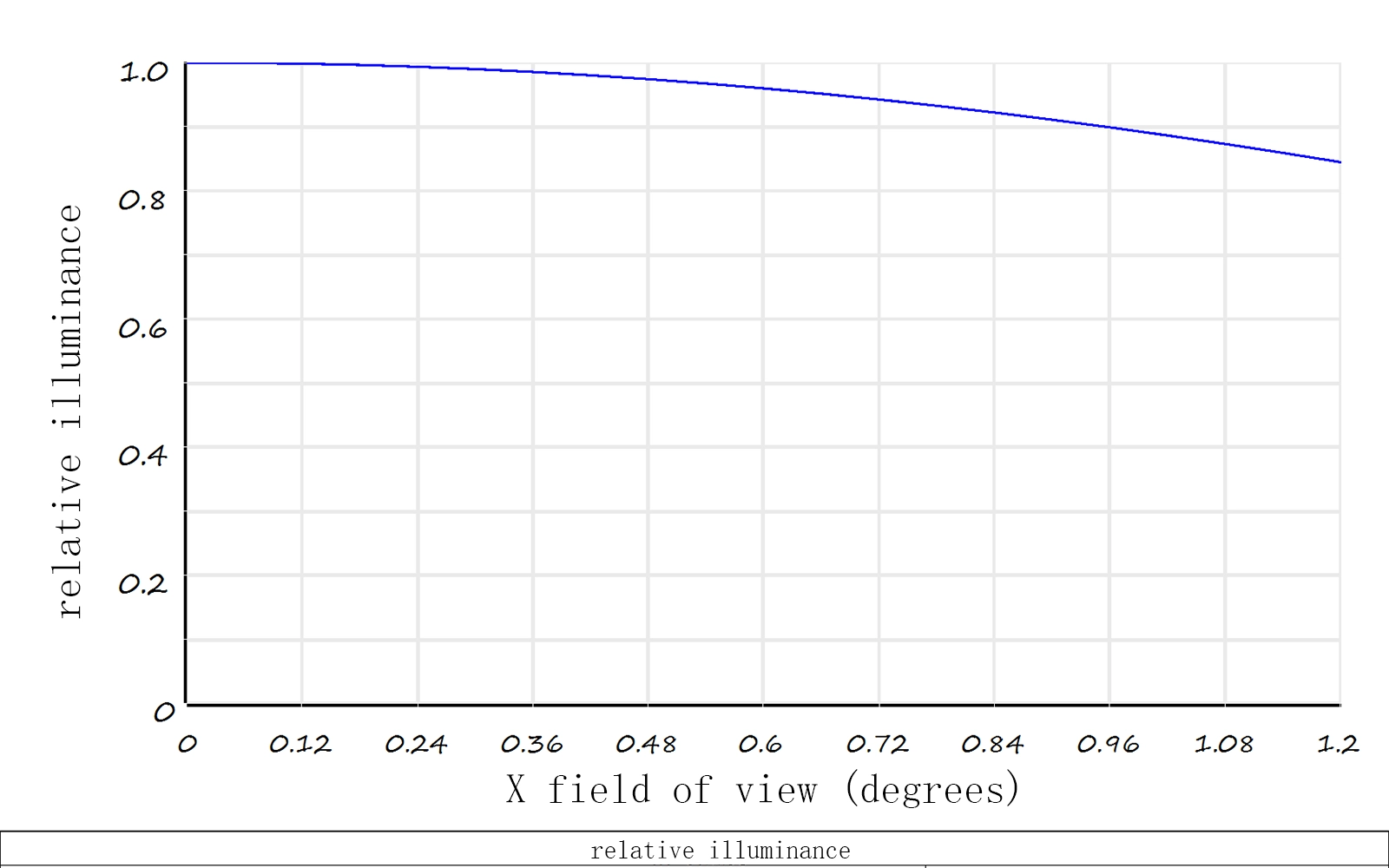
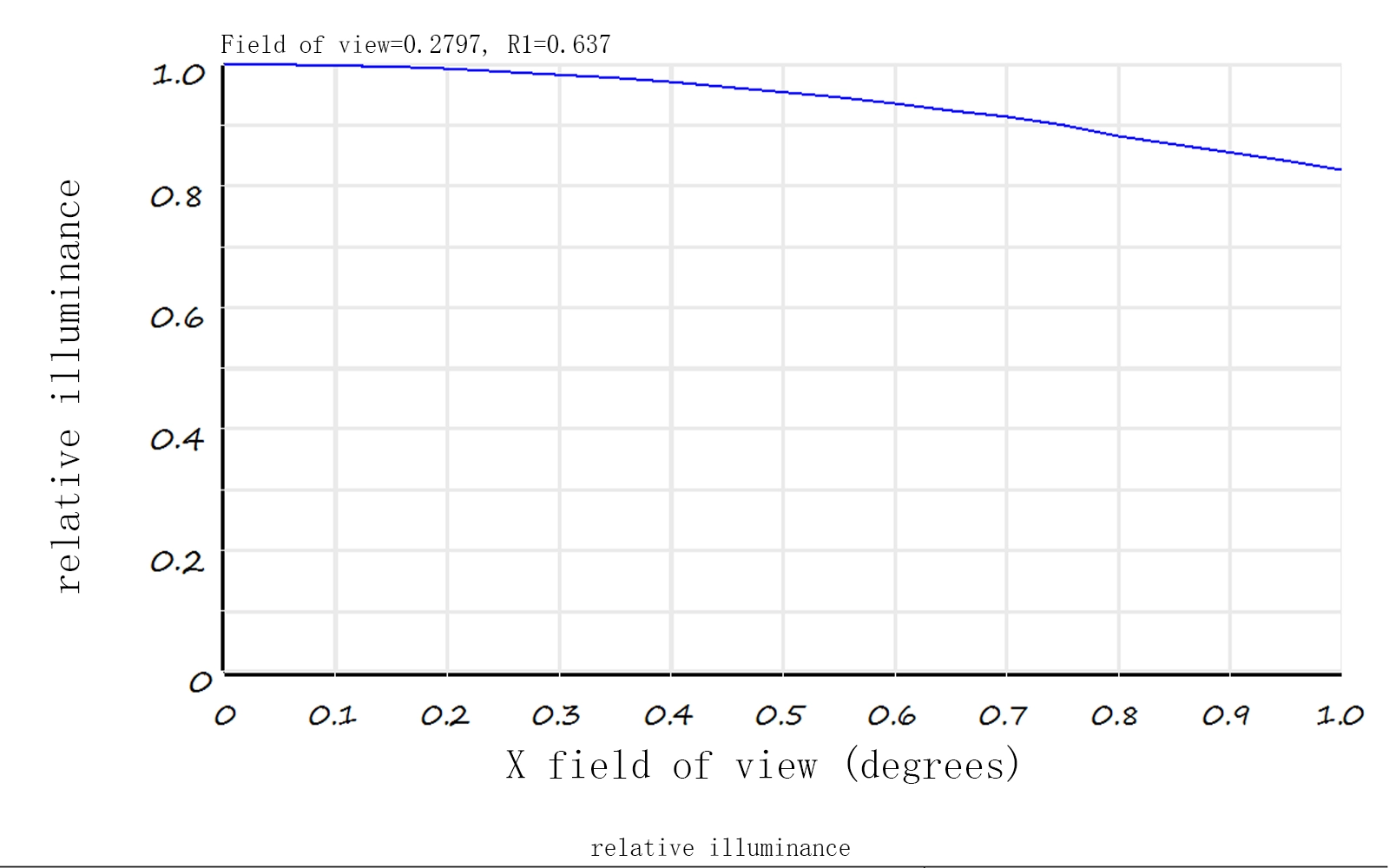
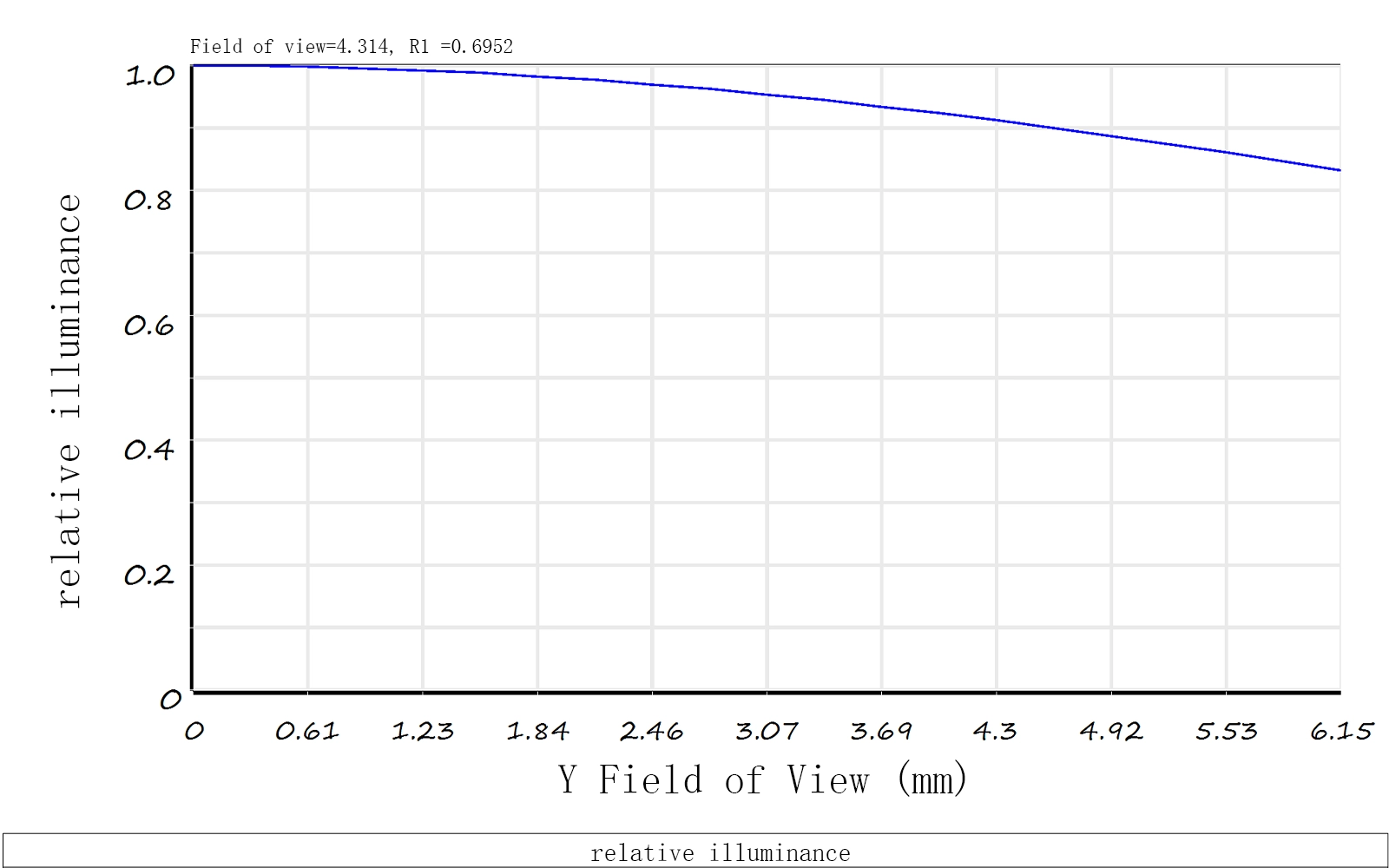
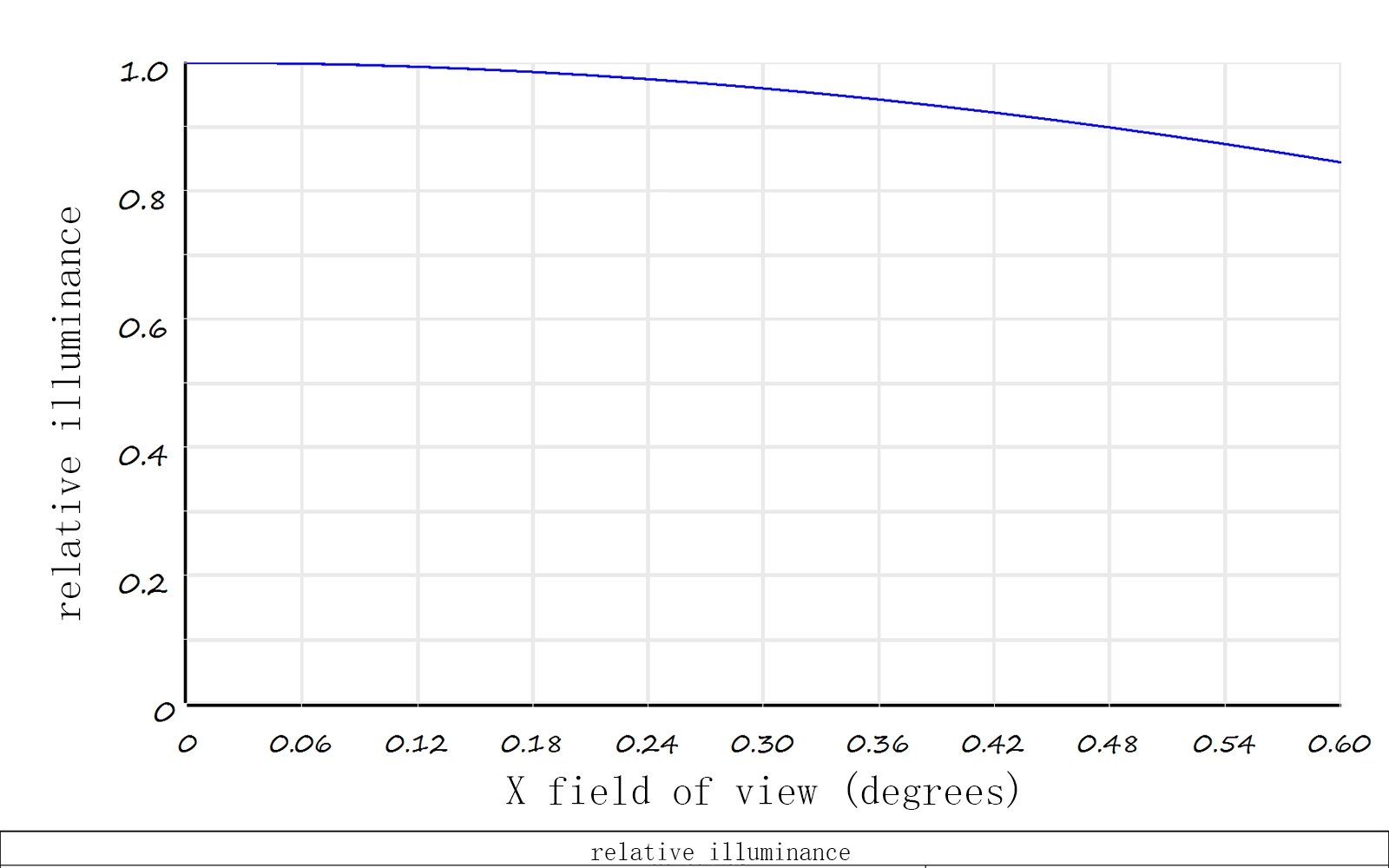
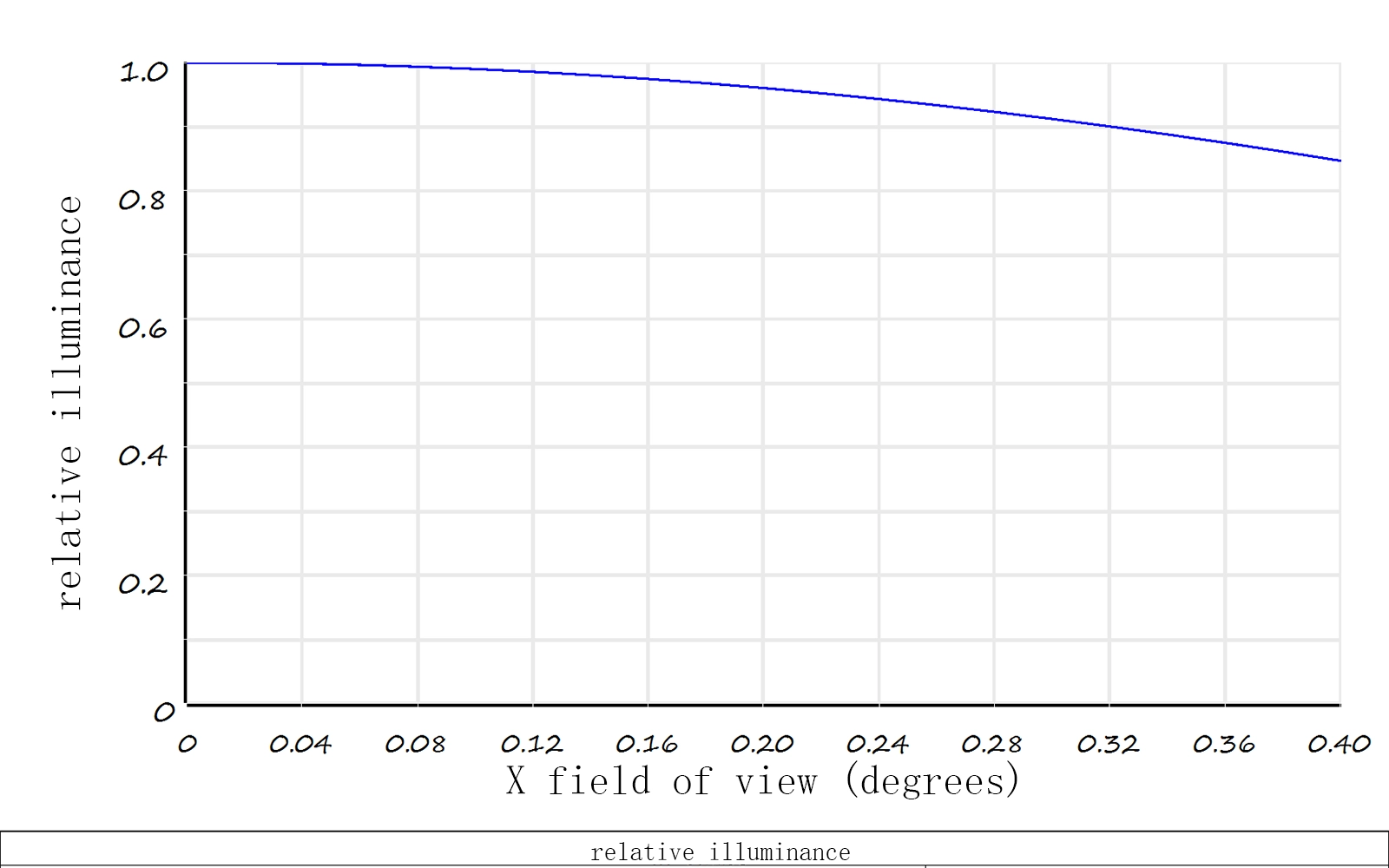
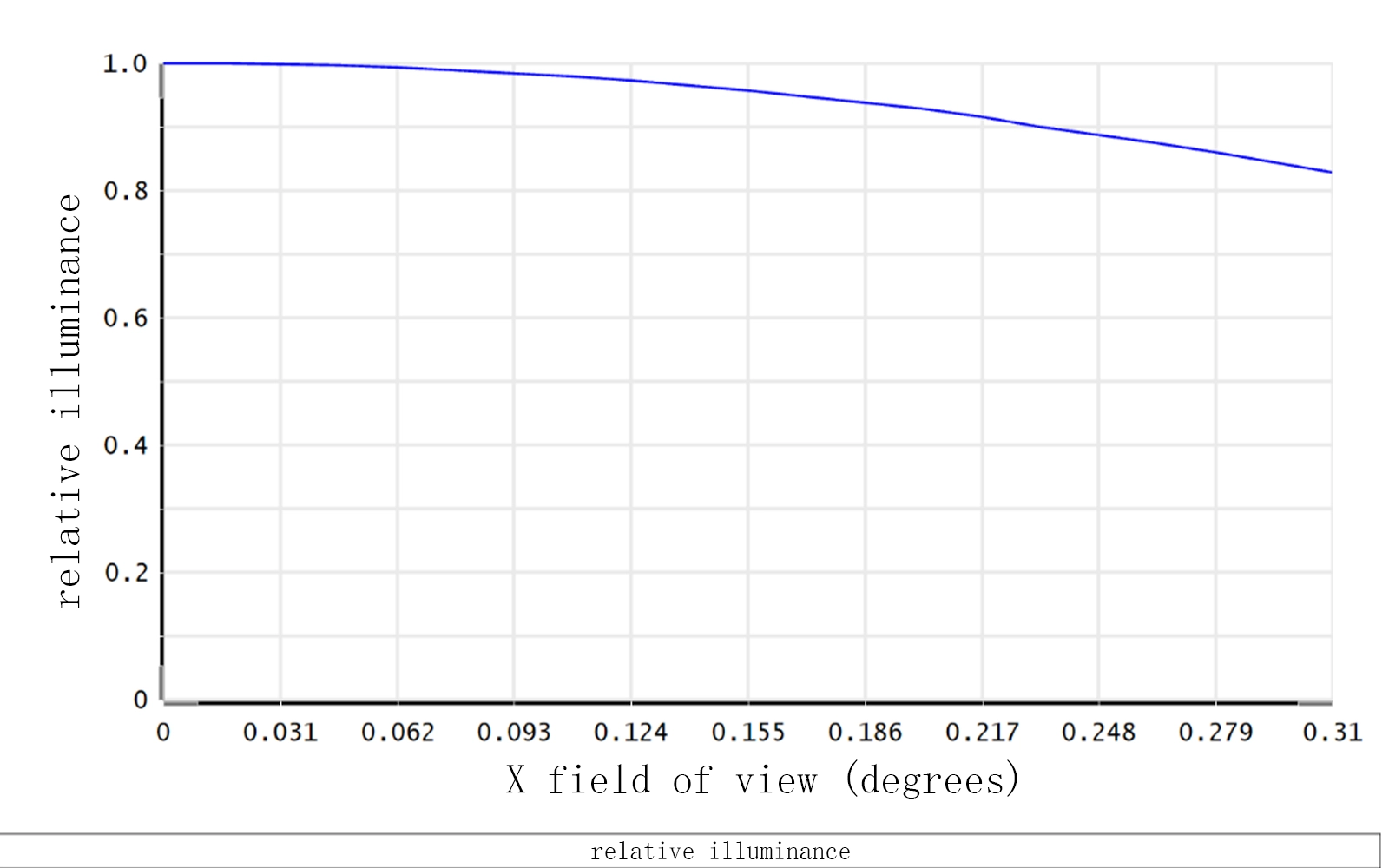
Mw275s Relative Illumination
MW275S Relative Illumination
MW300S Motorized Zoom Lens
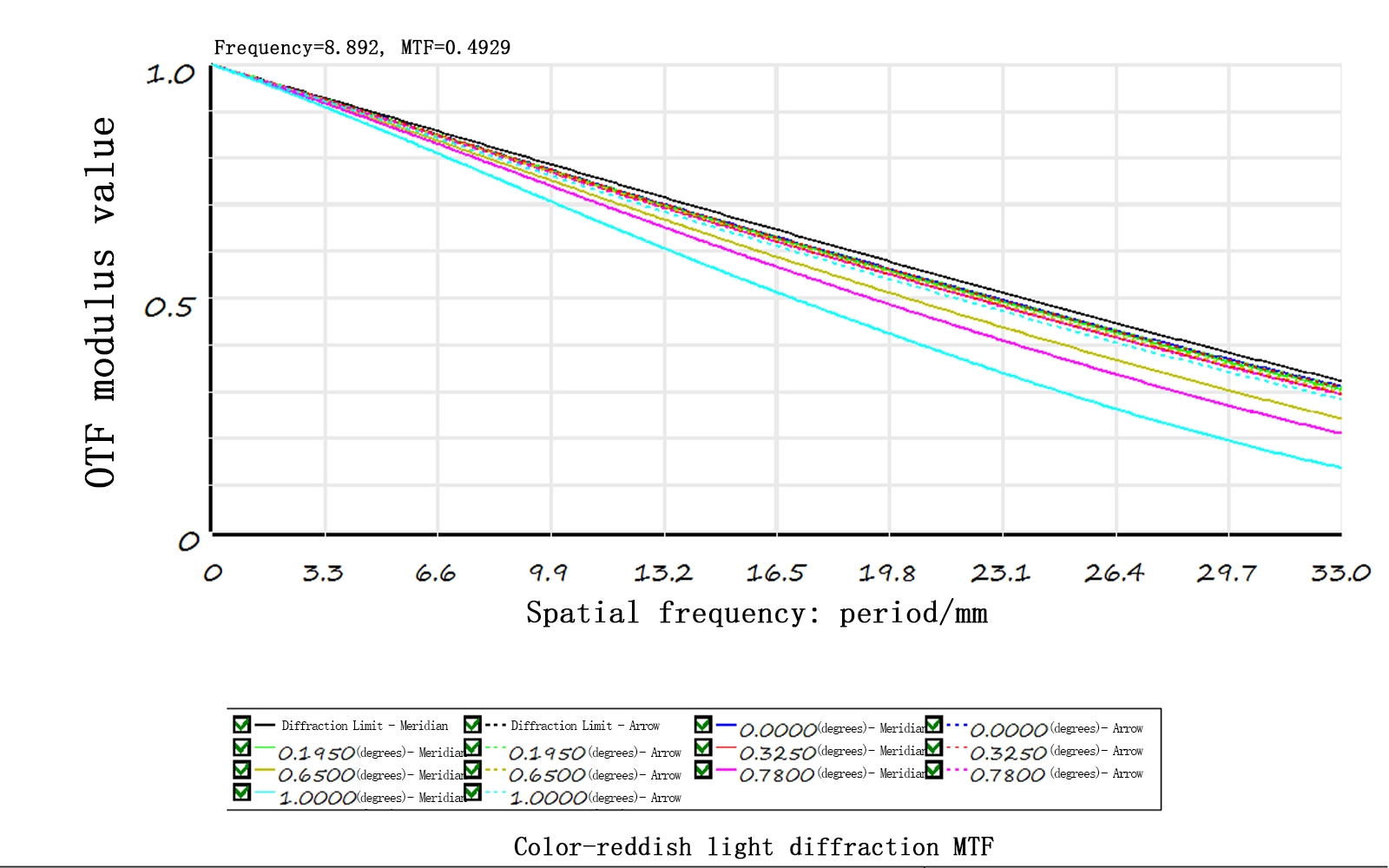
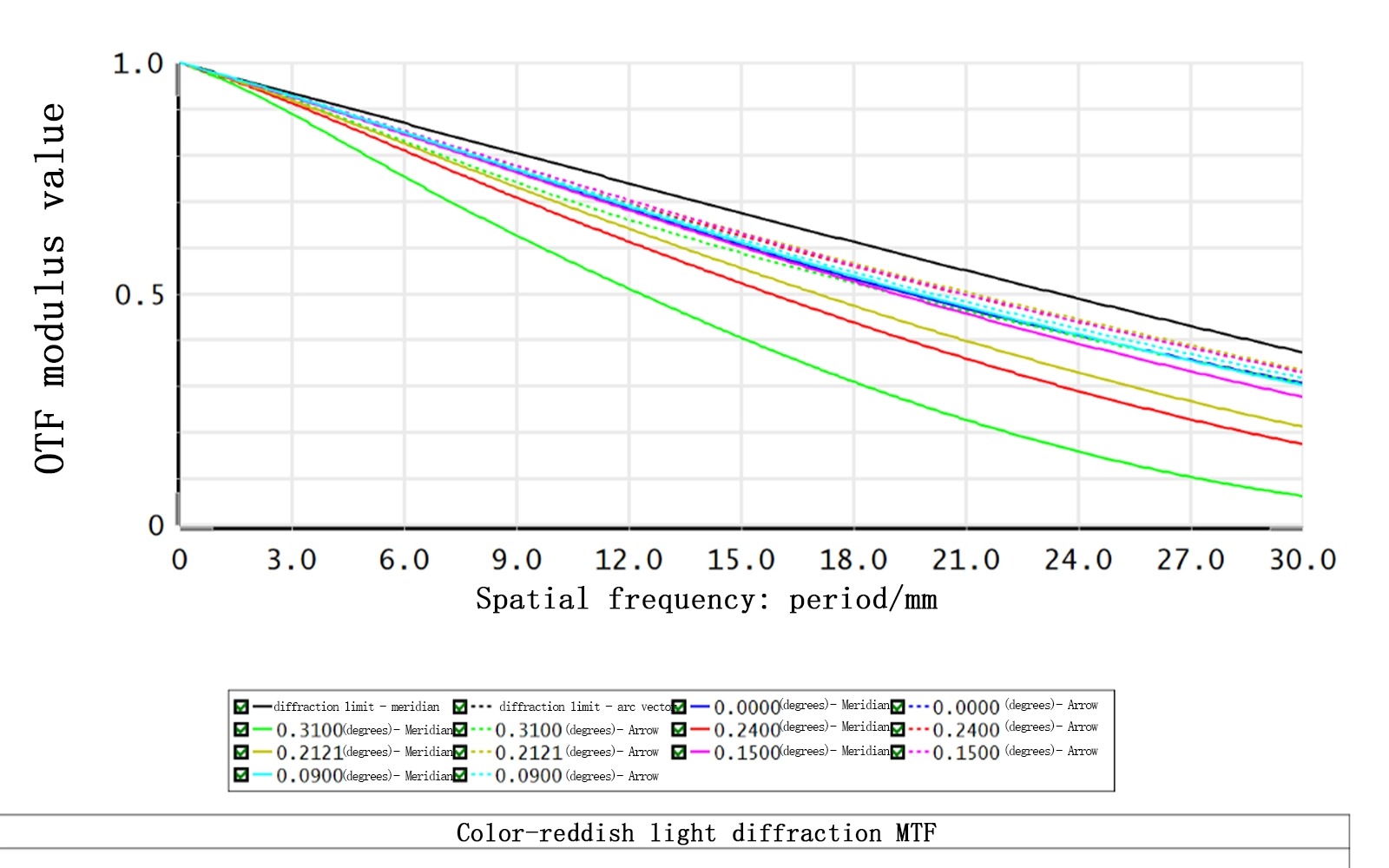
Mw300s Mtf
MW300S MTF
Mw300s Dot Chart
MW300S Dot Chart
Mw300s Field Curvature Distortion
MW300S Field Curvature Distortion
Mw300s Relative Illumination
MW300S Relative Illumination
MW360S Motorized Zoom Lens
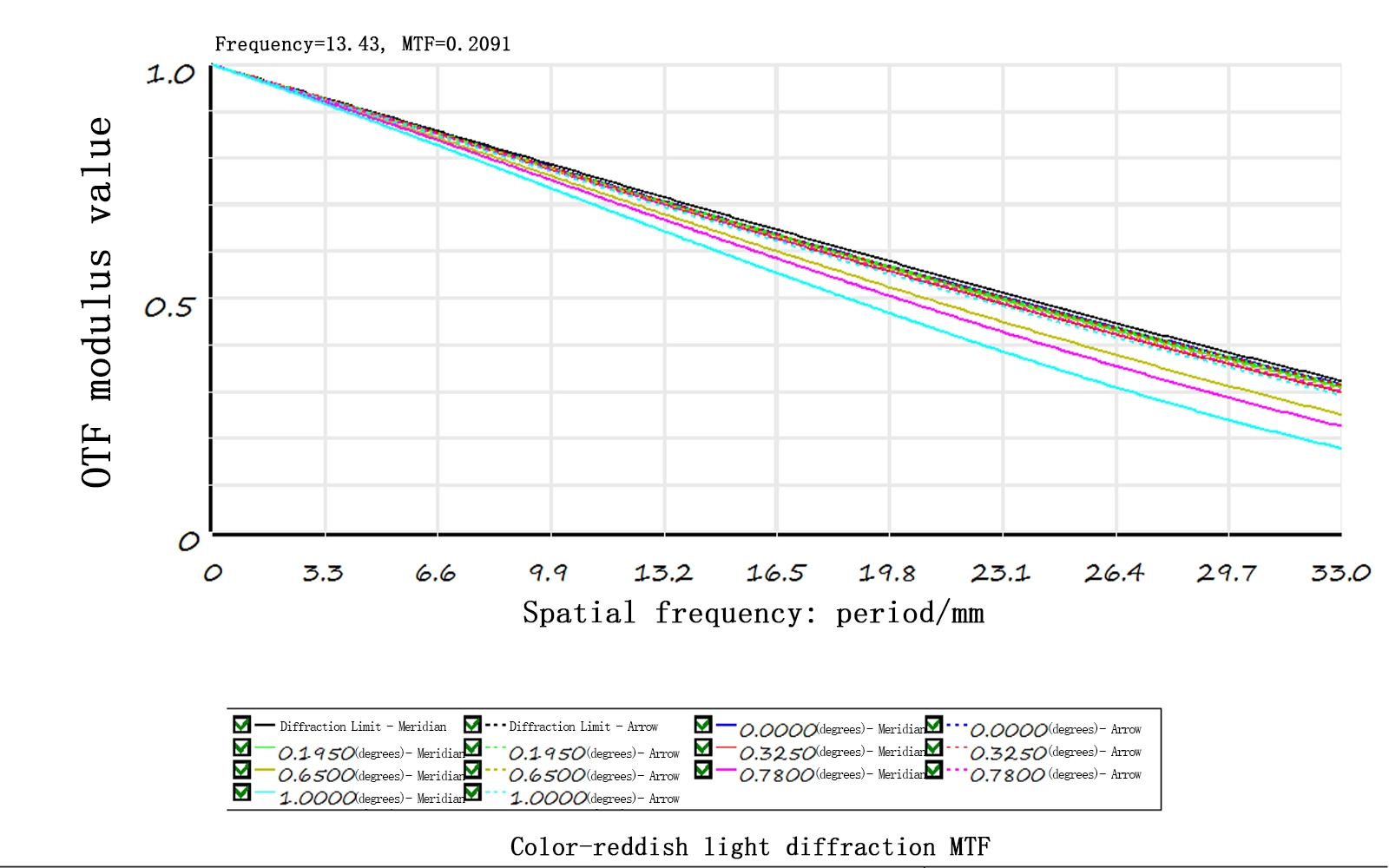
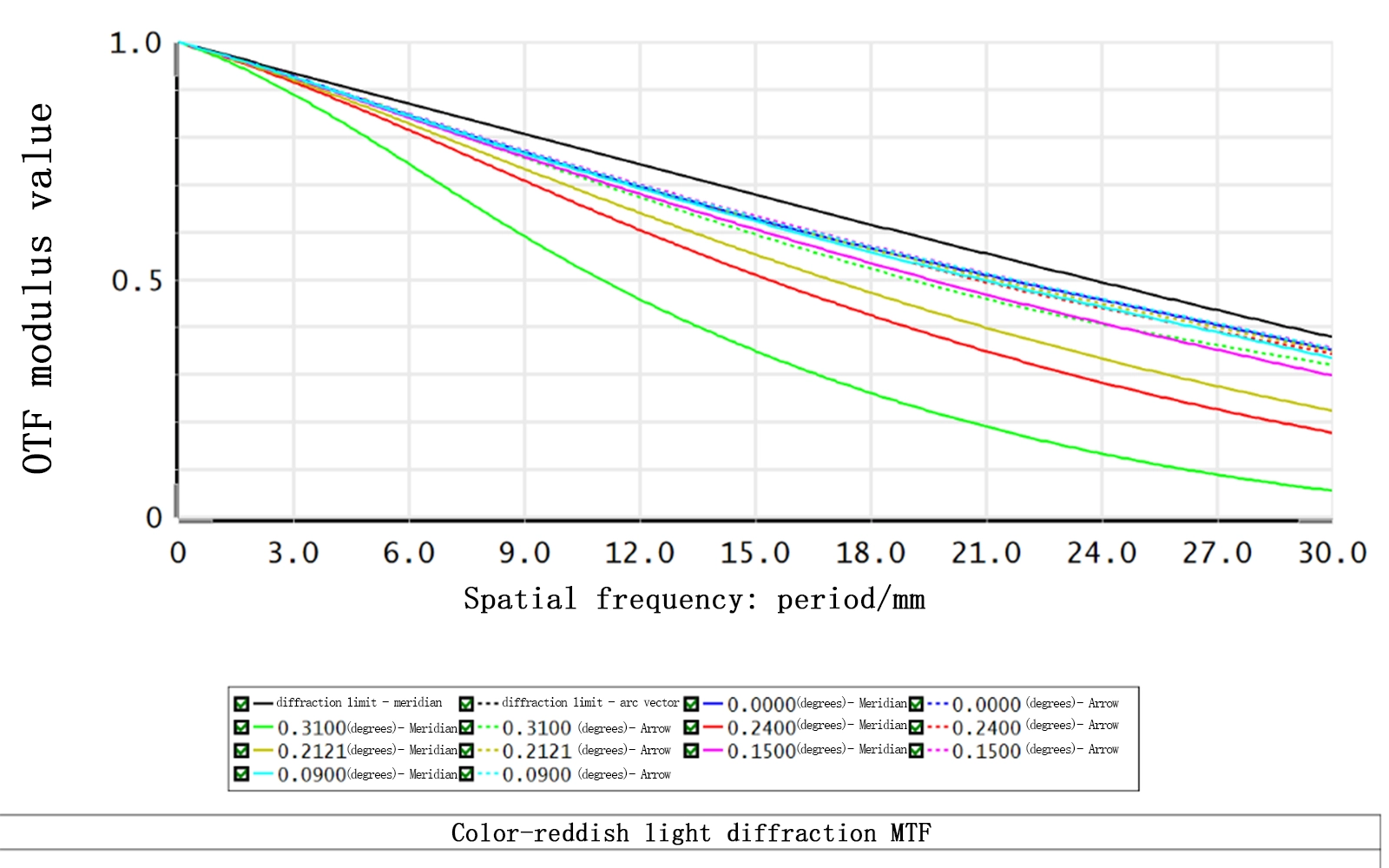
Mw360s Mtf
MW360S MTF
Mw360s Dot Chart
MW360S Dot Chart
Mw360s Field Curvature Distortion
MW360S Field Curvature Distortion
Mw360s Relative Illumination
MW360S Relative Illumination
MW550S Motorized Zoom Lens
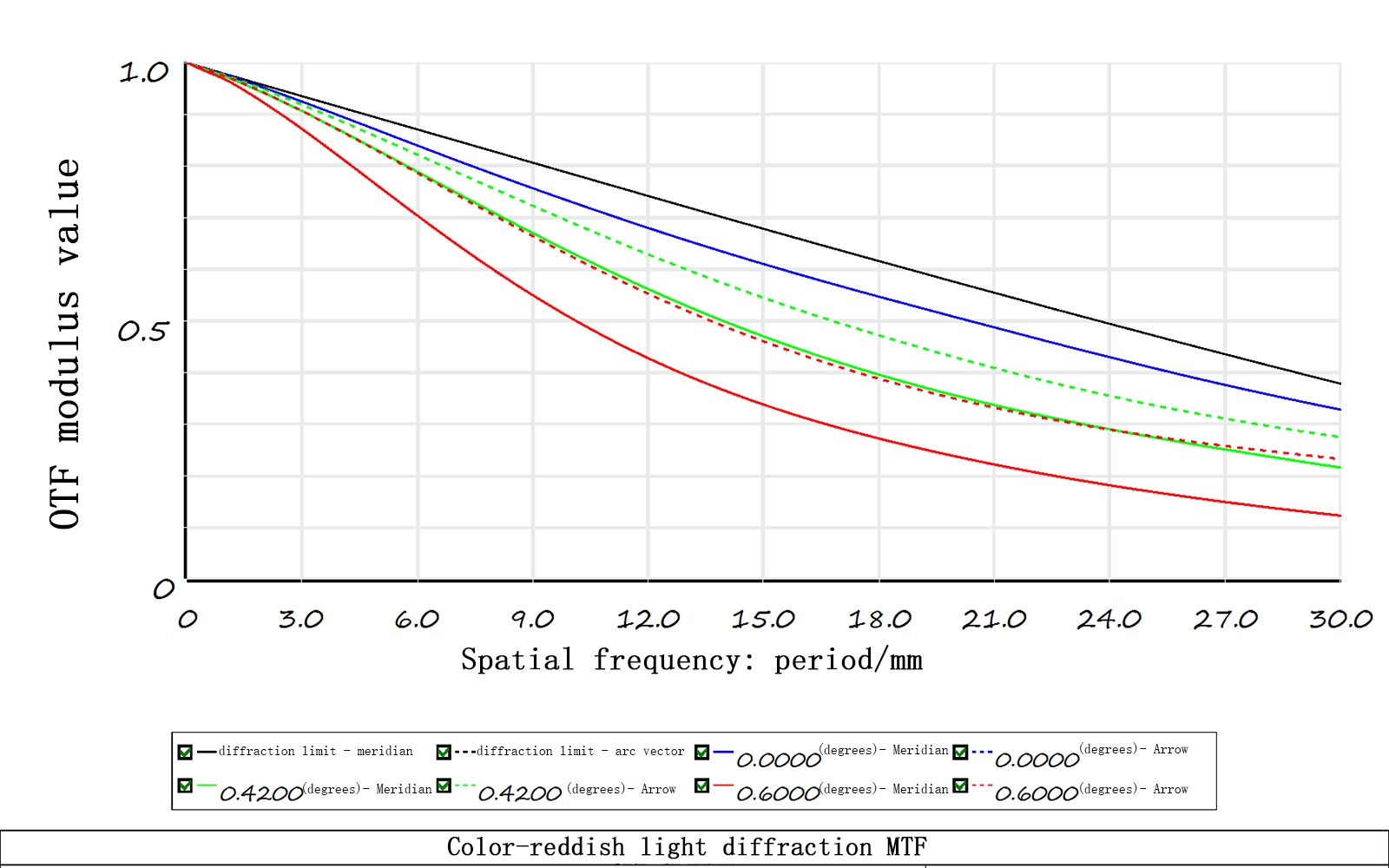
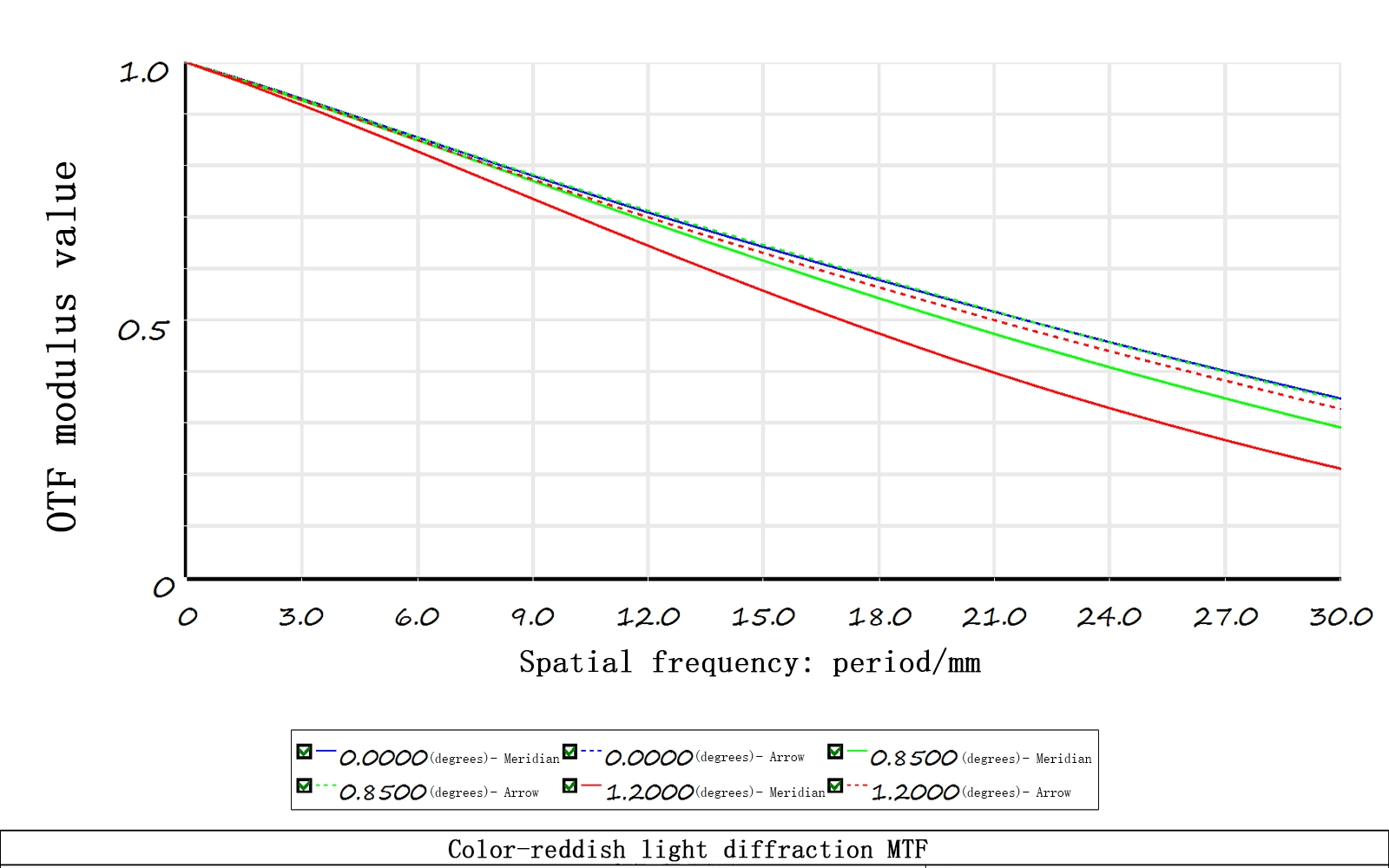
Mw550s Mtf
MW550S MTF
Mw550s Dot Chart
MW550S Dot Chart
Mw550s Field Curvature Distortion
MW550S Field Curvature Distortion
Mw550s Relative Illumination
MW550S Relative Illumination
MW600S Motorized Zoom Lens
Mw600s Mtf
MW600S MTF
Mw600s Dot Chart
MW600S Dot Chart
Mw600s Field Curvature Distortion
MW600S Field Curvature Distortion
Mw600s Relative Illumination
MW600S Relative Illumination
MW900S Motorized Zoom Lens
Mw900s Mtf
MW900S MTF
Mw900s Dot Chart
MW900S Dot Chart
Mw900s Field Curvature Distortion
MW900S Field Curvature Distortion
Mw900s Relative Illumination
MW900S Relative Illumination
MW1200S Motorized Zoom Lens
Mw1200s Mtf
MW1200S MTF
Mw1200s Dot Chart
MW1200S Dot Chart
Mw1200s Field Curvature Distortion
MW1200S Field Curvature Distortion
Mw1200s Relative Illumination
MW1200S Relative Illumination
MW275S Optical Performance at High/Low Temp
Mw275s 高温80度 (调焦)
high temperature 80°C
Mw275s 低温 40度 (调焦)
low temperature -40°C
MW360S Optical Performance at High/Low Temp
Mw360s High Temperature Of 80 Degrees Focus Adjustment
high temperature 80°C
Mw360s 40 Degrees Focus Adjustment
low temperature -40°C
MW600S Optical Performance at High/Low Temp
Mw600s High Temperature Of 80 Degrees Focus Adjustment
high temperature 80°C
Mw600s 40 Degrees Focus Adjustment
low temperature -40°C
MW1200S Optical Performance at High/Low Temp
Mw1200s High Temperature Of 80 Degrees Focus Adjustment
high temperature 80°C
Mw1200s 40 Degrees Focus Adjustment
low temperature -40°C
MW300S Optical Performance at High/Low Temp
Mw300s High Temperature Of 80 Degrees Focus Adjustment
high temperature 80°C
Mw300s Low Temperature 40 Degrees Focus Adjustment
low temperature -40°C
MW550S Optical Performance at High/Low Temp
Mw550s High Temperature Of 80 Degrees Focus Adjustment
high temperature 80°C
Mw550s 40 Degrees Focus Adjustment
low temperature -40°C
MW900S Optical Performance at High/Low Temp
Mw900s High Temperature Of 80 Degrees Focus Adjustment
high temperature 80°C
Mw900s 40 Degrees Focus Adjustment
low temperature -40°C
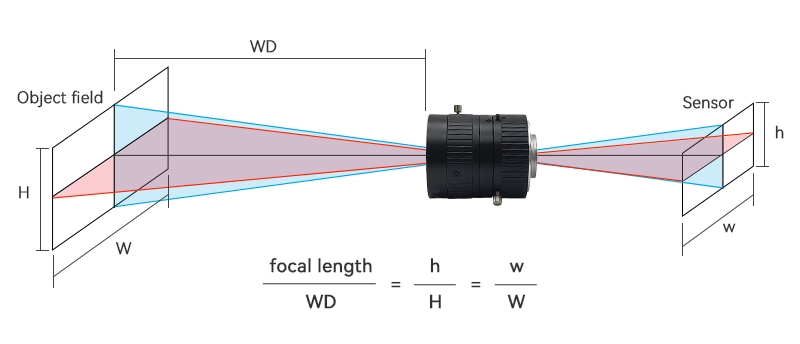
Focal Length

Focal length refers to the distance between the optical center (rear principal point) of a lens and its imaging focal point, serving as a key performance parameter of the lens. It determines the angle of view: the shorter the focal length, the wider the field of view and the broader the observable range; the longer the focal length, the narrower the field of view and the more concentrated the observation area.
Focal Length
F-number
The F-number is a key parameter indicating the light-gathering capacity of mid-wave infrared (MWIR) lenses, defined as the ratio of the lens focal length to its clear aperture. The F-number directly determines system sensitivity, signal-to-noise ratio and imaging quality. A smaller F-number stands for a larger aperture, higher light throughput and shallower depth of field.
  • When F-number ≤ 2.0, the lens achieves high light throughput, superior sensitivity and high signal-to-noise ratio, and is widely used in scientific research detection of weak signals.
  • When F-number ≥ 5.5, the light intake is limited, and such lenses are generally applied to long-focal-length long-distance observation.
  • F-numbers between the above two values are the mainstream choice for most mid-wave infrared lenses, offering an ideal balance among light-gathering performance, production cost and depth of field.
Generally, under a fixed focal length, a smaller F-number requires a larger lens aperture, which results in a bulkier lens body, heavier weight and higher cost.
Angle of View (AFOV)
Angle of View is a core parameter representing the observable range of a mid-wave infrared (MWIR) lens, referring to the horizontal or vertical angular coverage captured by the lens. The magnitude of the angle of view is jointly determined by the lens focal length and the detector target size.

Calculation formula:

 AFOV = 2 × arctan( H / 2f )
  • AFOV: Angle of View
  • H: Detector target dimension (length in horizontal or vertical direction)
  • f: Lens focal length

With a fixed detector dimension (H), a shorter focal length (f) yields a larger angle of view (AFOV).

With a fixed focal length (f), a larger detector target dimension (H) also delivers a wider angle of view (AFOV).

Transmittance
Transmittance is a key optical parameter for measuring the efficiency with which a mid-wave infrared (MWIR) lens transmits infrared radiation, usually expressed as a percentage (%). It directly determines the signal intensity reaching the detector and ranks among the core indicators affecting imaging quality.
A higher transmittance means less loss of infrared energy passing through the lens, delivering better signal-to-noise ratio (SNR) and image contrast. Transmittance is defined as the ratio of the radiant flux exiting the optical system (lens) to the incident radiant flux.
The average transmittance of mid-wave infrared (MWIR, 3–5 μm) lenses generally ranges from 70% to 95%.
Well-designed lenses typically require a transmittance of ≥ 85%.
Distortion
Distortion is a critical parameter for evaluating the geometric fidelity of mid-wave infrared (MWIR) lens imaging. It refers to the deviation between the actual imaging position on the image plane and the theoretical ideal position, generally expressed as a percentage (%).
The root cause of distortion lies in the inconsistent magnification of the lens for light rays at different fields of view (FOVs). An ideal lens delivers a constant magnification across the entire image plane. However, constrained by optical design, real-world lenses feature mismatched magnification between the edge and central fields of view, resulting in image deformation.
Prime lenses are typically optimized for superior distortion control, boasting ultra-low distortion of less than 0.5%.
 

Zoom lenses adopt complex lens assemblies, making distortion suppression more challenging, with distortion usually kept within 5%.

Depth of Field
Depth of field refers to the axial range in front of and behind the focused plane within which objects can still appear acceptably sharp in an image. This range includes the front depth of field (the clear zone in front of the focal plane) and the rear depth of field (the clear zone behind the focal plane). The sum of these two zones constitutes the total depth of field

Three primary factors influence depth of field: aperture size, working distance, and lens focal length. Increasing the depth of field can be achieved by:
  • Reducing the aperture size (i.e., using a larger f-number)
  • Increasing the working distance
  • Using a lens with a shorter focal length
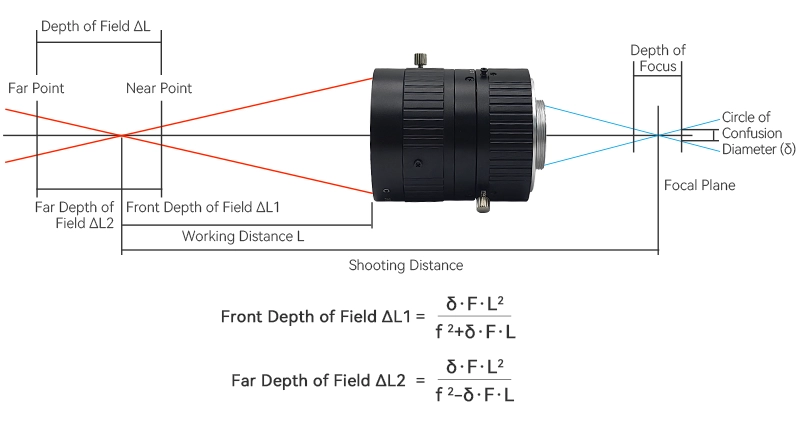
Depth Of Field
Q1 : What is SWIR?

The word SWIR is an acronym meaning Short Wavelength InfraRed, also frequently referred to as shortwave infrared. SWIR generally refers to the wavelength band of light between 900nm and 2500nm.

Q2 : What exactly is a Short-Wave Infrared (SWIR) lens and how does it work?

A SWIR lens is an optical lens specifically designed to focus light in the short-wave infrared spectrum, typically between 0.9 and 1.7 micrometers (µm). The lens works by collecting SWIR light reflected from objects and converging it onto a specialized sensor, such as an Indium Gallium Arsenide (InGaAs) detector, which then converts the photoelectric signal into a grayscale image.

Q3 : Why can't I just use a standard visible-light lens for SWIR imaging?

While it is physically possible to mount a visible lens on a SWIR camera, the image quality will be severely compromised. Standard optical glasses and anti-reflective coatings are optimized for the visible spectrum (400-700nm). When used for SWIR, these lenses suffer from significant optical aberrations, particularly chromatic aberration, and a sharp decrease in resolution. This happens because the glass elements fail to focus the longer SWIR wavelengths to the same point, resulting in a blurred image. A true SWIR-optimized lens uses special glass types and coatings to ensure all SWIR wavelengths focus correctly, delivering high contrast and resolution.

产品反馈表单

MWIR Zoom Lenses for Thermal Imaging Camera

Attostek’s MWIR lenses are specifically designed to capture radiation in the mid-wave infrared band, delivering reliable, high-contrast imaging. The MWIR motorized zoom lens are ideally suited for industrial inspection, including real-time thermal fault detection in power equipment, hotspot monitoring in photovoltaic panels, and temperature distribution analysis in metallurgical processes. For scientific research, it supports studies of material thermodynamics and thermal field recording. In traffic management, the lens facilitates nighttime vehicle identification, tunnel fire early warning, and condition monitoring of railway transport equipment.

Model MW275S MW300S MW360S MW550S MW600S MW900S MW1200S
Focal Length f18mm-f275mm f15mm-f300mm f40mm-f360mm f30mm-f550mm f30mm-f600mm f45mm-f900mm f80mm-f1200mm
F.NO 5.5 4 5.5 4
Relative Illumination >82% ≥84% ≥80% ≥82% >84% >80%
Distortion 18mm≤|3.94|%
275mm≤|1|%
≤|5|% 40mm≤|1|%
360mm≤|2|%
30mm≤|1|%
550mm≤|2.9|%
≤|5|% 45mm≤|5|%
900mm≤|1|%
≤|5|%
(Focal Range) F.R 10m/30m~Infinity 10m/50m~Infinity 5m/50m~Infinity 10m/30m~Infinity
(Optical total length) TTL 95mm 137mm 189.2mm 135mm 230mm 358.9mm 415.6mm
Tave ≥80% ≥78% ≥80% ≥80% ≥72% ≥69% ≥79%
MD 54mm 80mm 96mm 100mm 162mm 282mm 334mm
Weight 30g 179.1g 268g / 1038.9g 3354.27g 12kg
B.F.L 26.2mm 30.06mm 32.75 27.4mm 29.907mm 29.938mm 30.06mm
Cold stop distance 19.1mm 19.95mm 19.7mm 19.95mm
Cold stop CA Ø3.5mm Ø20mm Ø5mm Φ3.58mm Ø5mm
Item
Docs
Available
Price
Qty

MW275S

18–275mm EFL, F/5.5 MWIR Motorized Zoom Lens, for 640×512 (15μm) Detector

2 Weeks
$9,500.00

MW300S

15-300mm EFL, F/4 MWIR Motorized Zoom Lens, for 640×512 (15μm) Detector

2 Weeks
$11,000.00

MW360S

40-360mm EFL, F/4 MWIR Motorized Zoom Lens, for 640×512 (15μm) Detector

2 Weeks
$14,300.00

MW550S

30-550mm EFL, F/5.5 MWIR Motorized Zoom Lens, for 640×512 (15μm) Detector

2 Weeks
$13,700.00

MW600S

30-600mm EFL, F/4 MWIR Motorized Zoom Lens, for 640×512 (15μm) Detector

2 Weeks
$24,700.00

MW900S

45-900mm EFL, F/4 MWIR Motorized Zoom Lens, for 640×512 (15μm) Detector

2 Weeks
$53,000.00

MW1200S

80-1200mm EFL, F/4 MWIR Motorized Zoom Lens, for 640×512 (15μm) Detector

2 Weeks
$66,000.00