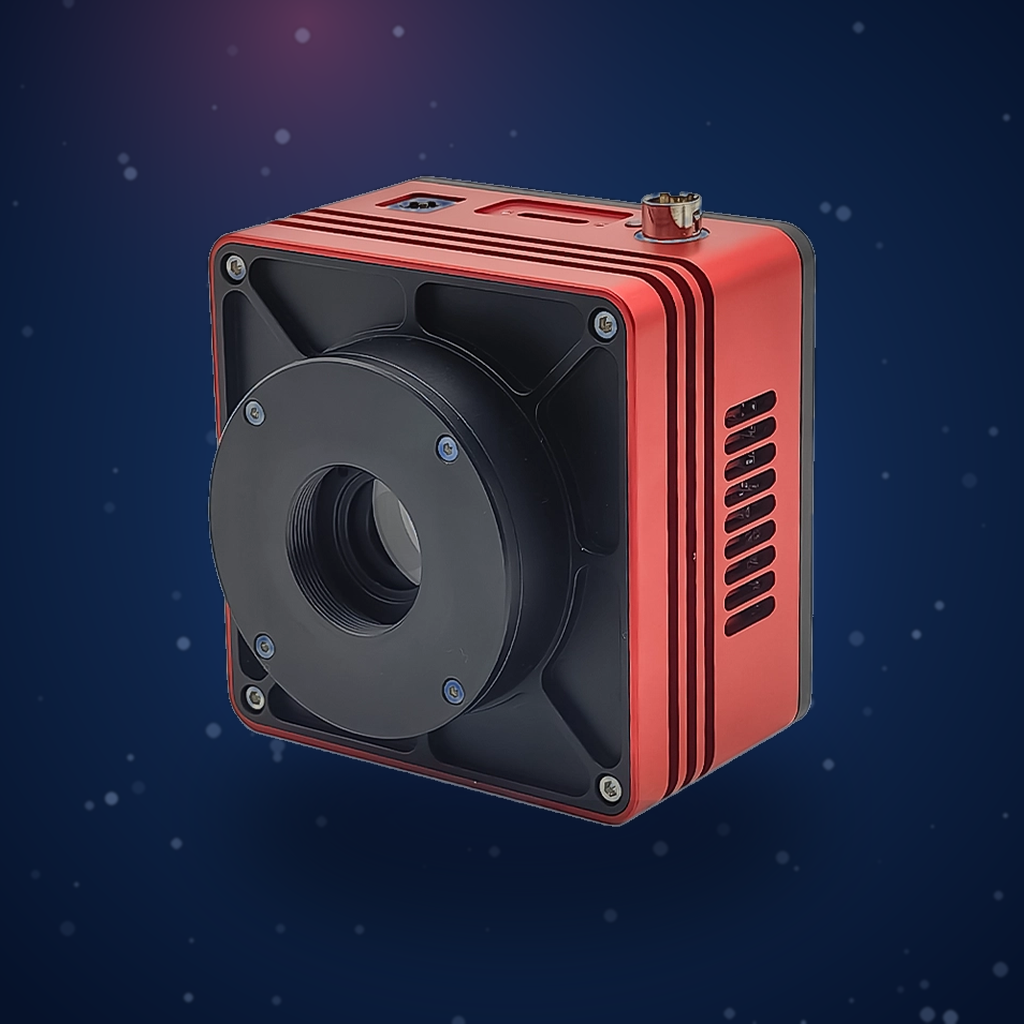
Driven by growing demand for detection capability above 1700 nm in semiconductor inspection, photovoltaic quality control, material sorting and other fields, short‑wave infrared cameras built around extended‑range InGaAs detectors with spectral response up to 1900 nm are seeing wider adoption for industrial inspection and scientific‑research applications.
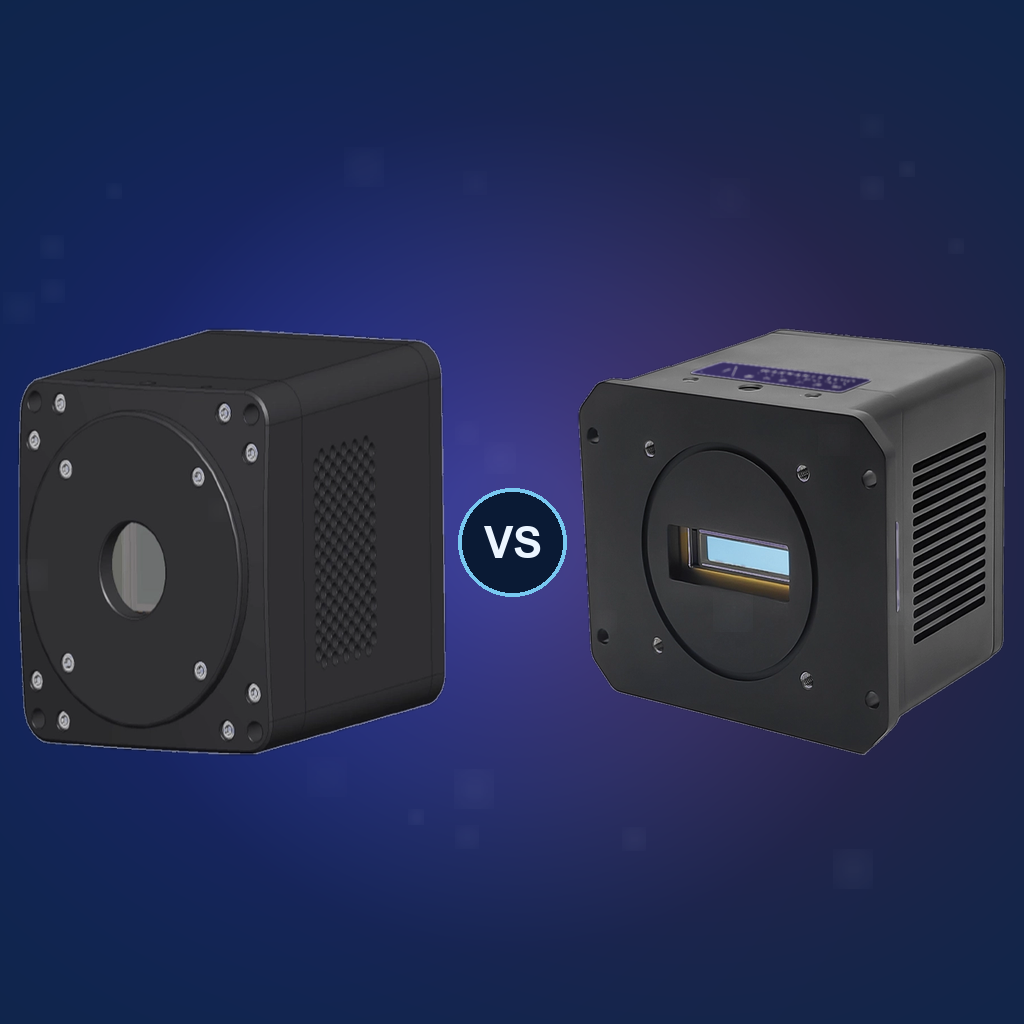
The table below compares core specifications of four mainstream 1900 nm extended‑band SWIR cameras currently available on the market:
| Brand | AttosTek | First Light Imaging | Contrastech | Allied Vision |
|---|---|---|---|---|
| Model | SWIR1503CU‑1.9 | C‑RED 2 ER 1.9 μm | iBX‑SWU640B‑240 | Goldeye G‑034 XSWIR 1.9 TEC2 |
| Spectral Range | 900–1900 nm | 1100–1900 nm | 1000–1900 nm | 1100–1900 nm |
| Pixel Size | 15 μm × 15 μm | 15 μm × 15 μm | 15 μm × 15 μm | 15 μm × 15 μm |
| Frame Rate | 240 fps | 600 fps | 240 fps | 303 fps |
| Resolution | 640 × 512 | 640 × 512 | 640 × 512 | 636 × 508 |
| Peak Quantum Efficiency | 70% @ 1700 nm | > 70% | ~ 70% @ 1900 nm | ~ 85% @ 1350 nm |
| Cooling Temperature | −20 °C | −40 °C | −20 °C | −30 °C |
| Data Interface | USB 3.0 | USB 3.1 / CameraLink | USB 3.0 | GigE / CameraLink |
| Key Features | Full spectral coverage from near‑infrared edge to 1900 nm; cost‑effective | 600 fps full‑frame rate; supports high‑speed imaging | Excellent quantum efficiency at 1900 nm | Low dark current, high quantum efficiency; suitable for low‑light detection |
| Domestic Product | Yes | No | Yes | No |