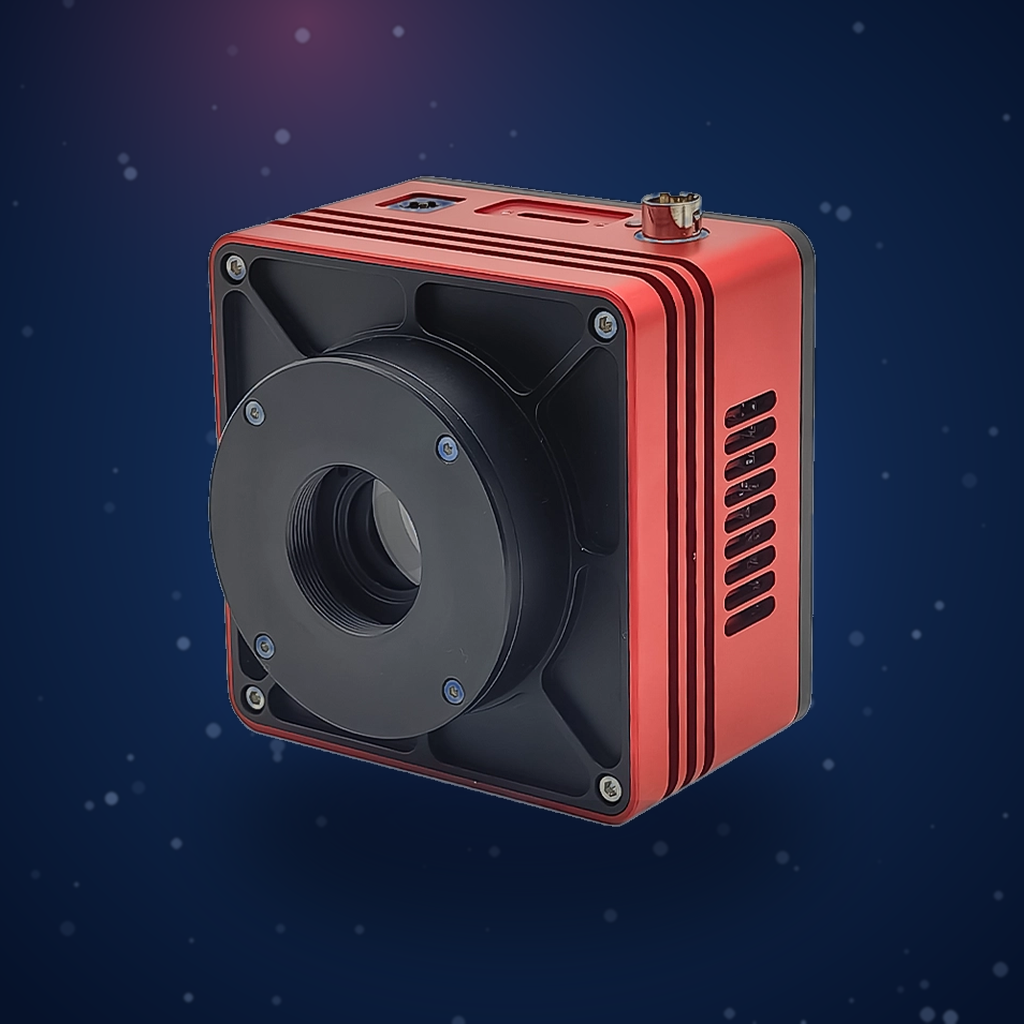
Attostek, a leading provider of optical camera and imaging solutions, is pleased to participate in the Third Spectroscopy Technology and Application Conference, held on July 12–14, 2024 in Changsha, Hunan, China. Organized by the Chinese Society for Optical Engineering (CSOE), the conference aims to foster industry collaboration and drive innovation in spectroscopy technology and its cross-disciplinary applications.
As a pivotal branch of modern optical metrology, spectroscopy technology offers significant advantages such as non-contact measurement, high sensitivity, multi-component analysis, and real-time monitoring. It has become an indispensable tool across a wide range of advanced fields, including deep-space exploration, environmental monitoring, aerospace, biomedical research, smart manufacturing, and precision agriculture.
The conference gathered over 100 renowned experts to exchange insights through academic presentations, poster sessions, business matchmaking, and equipment exhibitions. Discussions focused on scientific advancements, key component technologies, and the latest engineering applications in spectroscopy.
At Attostek, we specialize in the development and manufacturing of high-precision optical cameras and imaging systems, providing reliable and innovative detection solutions for both scientific research and industrial applications. We sincerely invite fellow experts, scholars, industry partners, and clients to engage in face-to-face discussions on technical needs, jointly explore the application potential of spectroscopy across various fields, and work hand in hand to drive the advancement and innovation of optical measurement in China.
Event Details
Date: July 12–14, 2024
Location: Changsha, Hunan, China
Theme: Innovation and Integration in Spectroscopy Technology
We look forward to meeting you in Changsha and shaping the future of optical technology together.