High-Speed High-Sensitivity SWIR Cameras
High-speed high-sensitivity SWIR cameras combine fast dynamic acquisition with low-light detection capability, enabling the capture of transient weak infrared signals. They are widely used in high-speed dynamic testing scenarios such as semiconductor photovoltaic inline inspection, pulsed laser spot monitoring, and plasma/combustion transient observation.
SWIR Camera Core Parameters
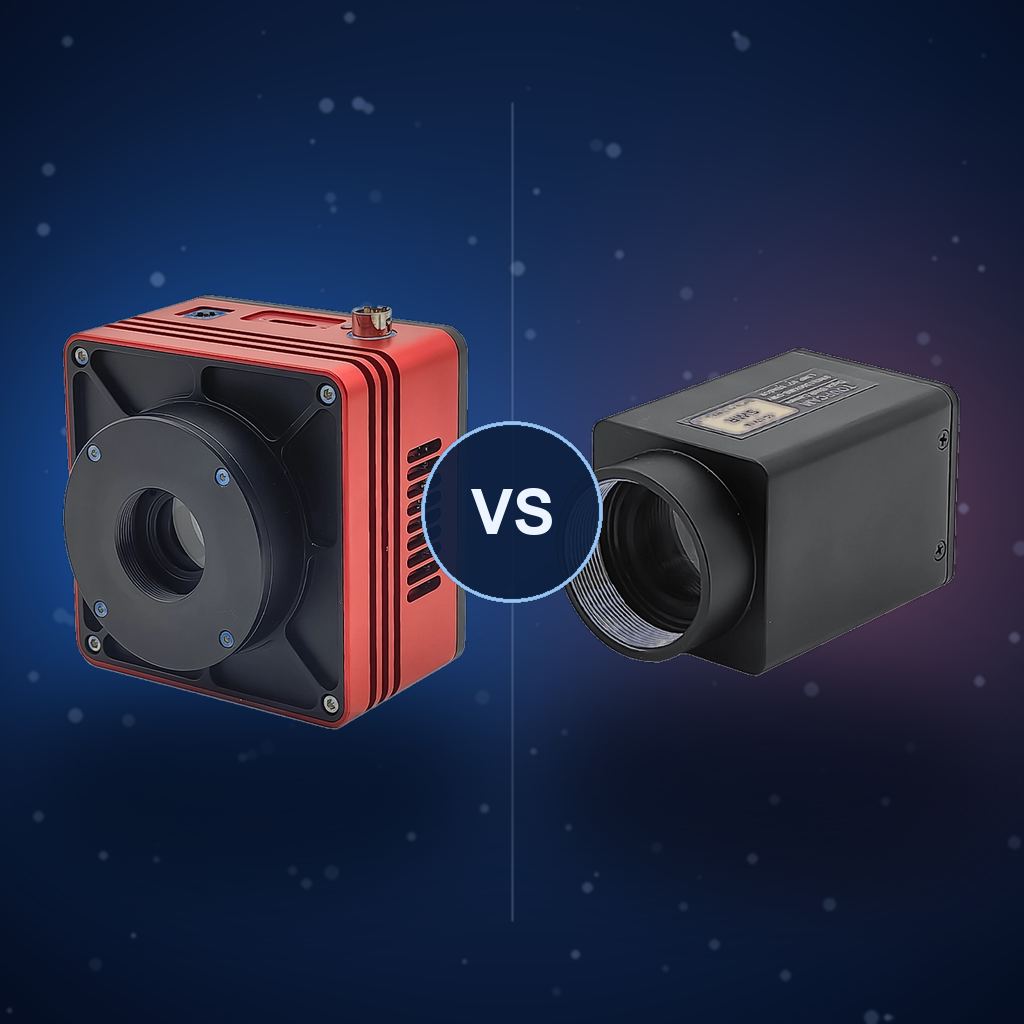
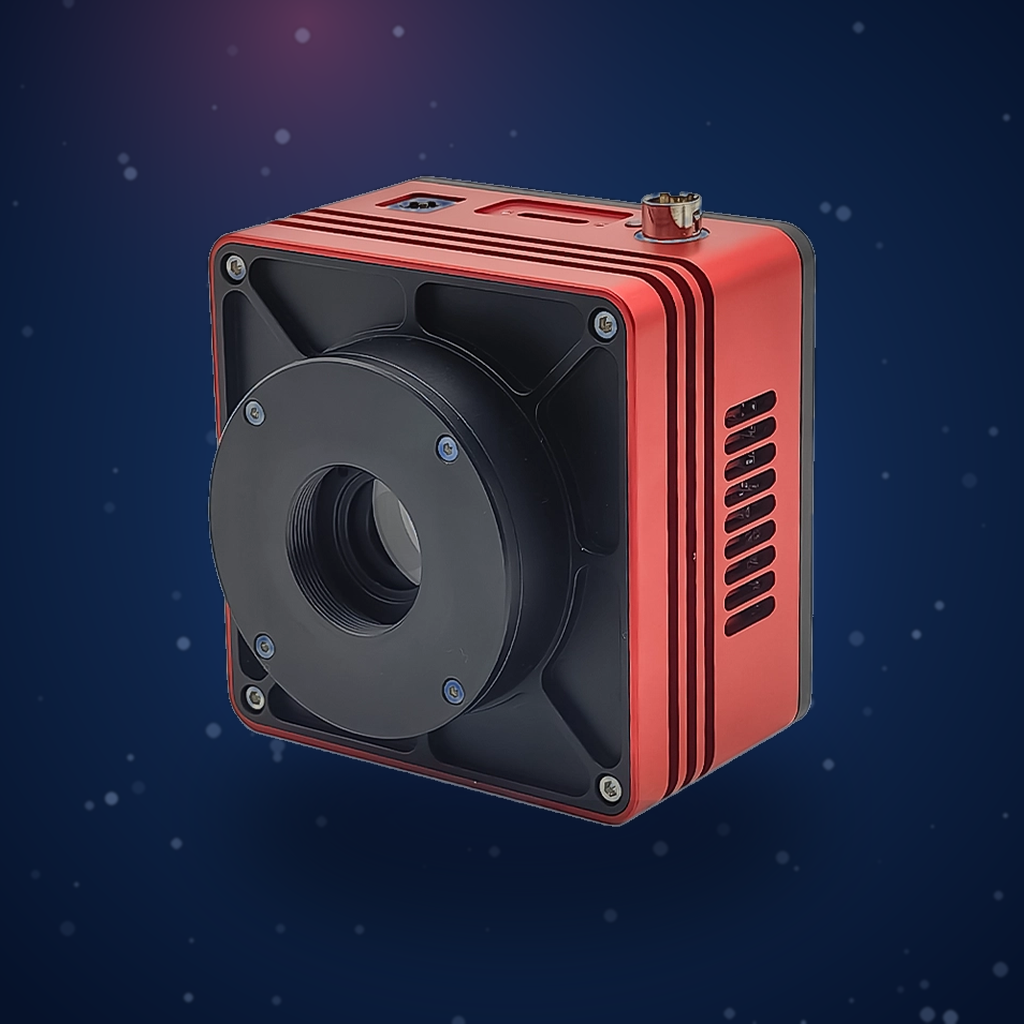
Below are four high-speed high-sensitivity SWIR cameras with frame rates exceeding 600 fps, with their core parameters, product advantages, and application scenarios summarized for quick reference:
| Model | Attostek SWIR1503BCL2 | Xenics Cheetah 640 TE1 | Teledyne SCION 640 | First Light Imaging C-RED2 |
|---|---|---|---|---|
| Spectral Range | 900nm – 1700nm | 900nm – 1700nm | 400nm – 1700nm | 900nm – 1700nm |
| Pixel Size | 15μm × 15μm | 20μm × 20μm | 10μm × 10μm | 15μm × 15μm |
| Resolution | 640 × 512 | 640 × 512 | 640 × 512 | 640 × 512 |
| Full Frame Rate | 1000fps | 865fps | 700fps | 600fps |
| Peak QE | 75%@1350 nm | 80%@1550 nm | 85%@1300 nm | 80%@1550 nm |
| Readout Noise | 16.55 e⁻ | 120 e⁻ | 30 e⁻ | 30 e⁻ |
| Interface | Camera Link | Camera Link | Camera Link / USB3.0 | Camera Link / USB3.0 |
| Dynamic Range | 69.2 dB | 60 dB | 70 dB | 93 dB |
| Advantages | Ultra-high frame rate, low readout noise | Large pixel size, high QE | High QE, low readout noise | Low readout noise, extremely high dynamic range |
| Application Scenarios | High-speed ballistic process recording, quantum precision measurement | High-pressure fluid atomization tracking, plasma diagnostics | Quantum experiments, semiconductor defect inspection | Low-light combustion/flame analysis, high-dynamic-range industrial inspection |