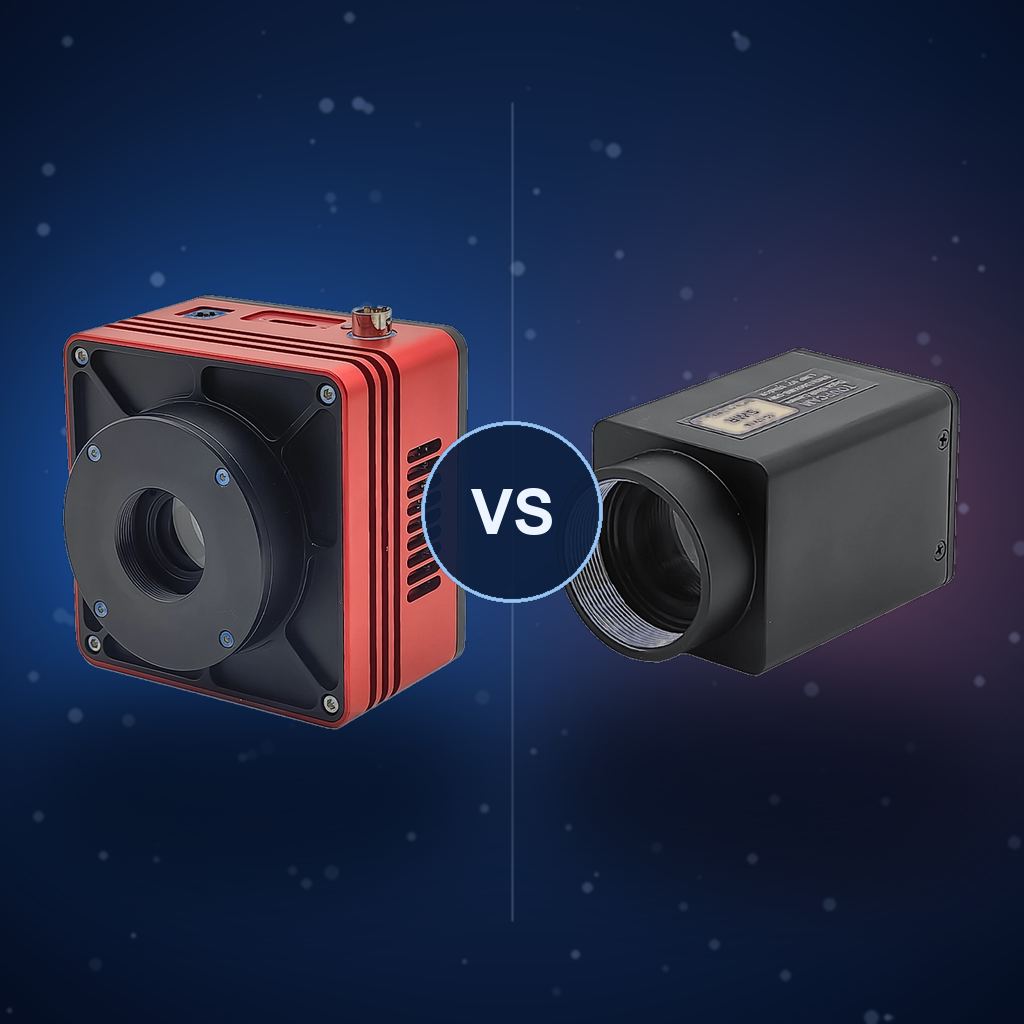
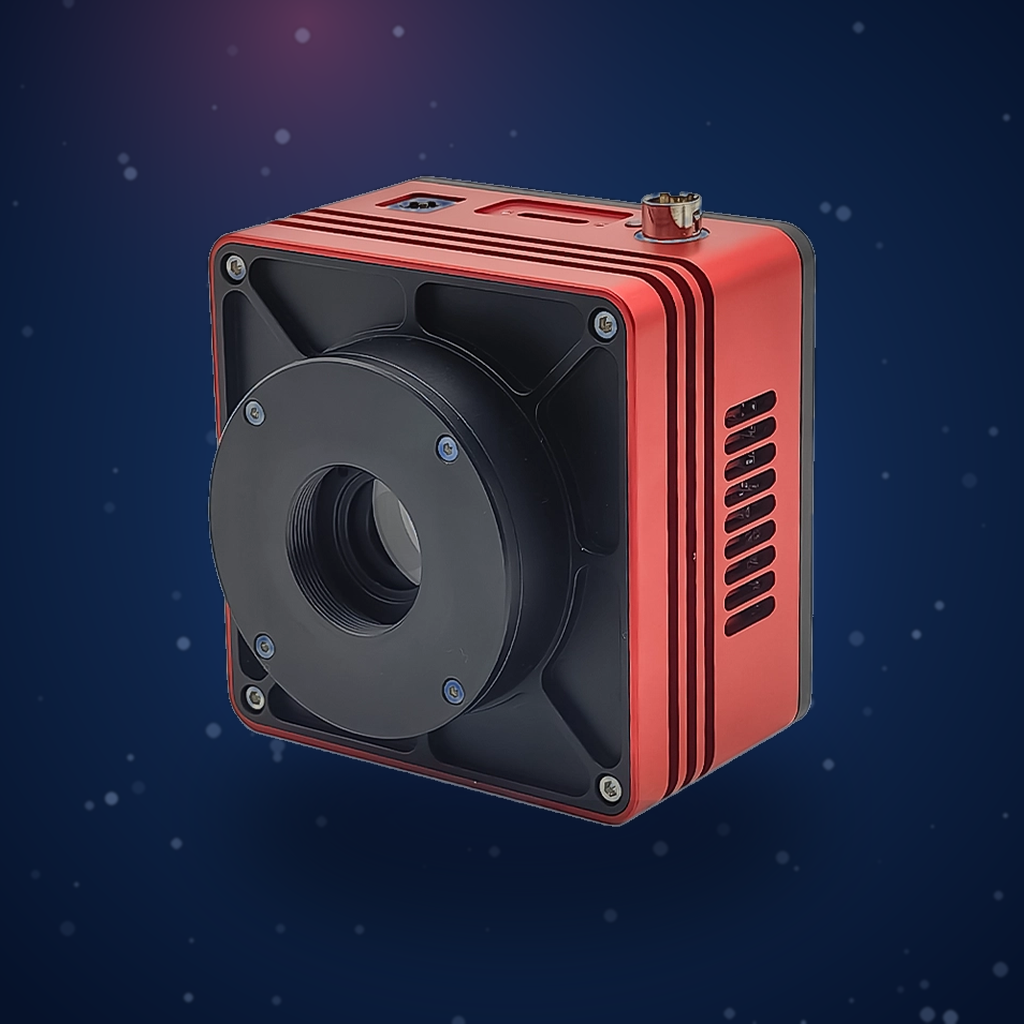
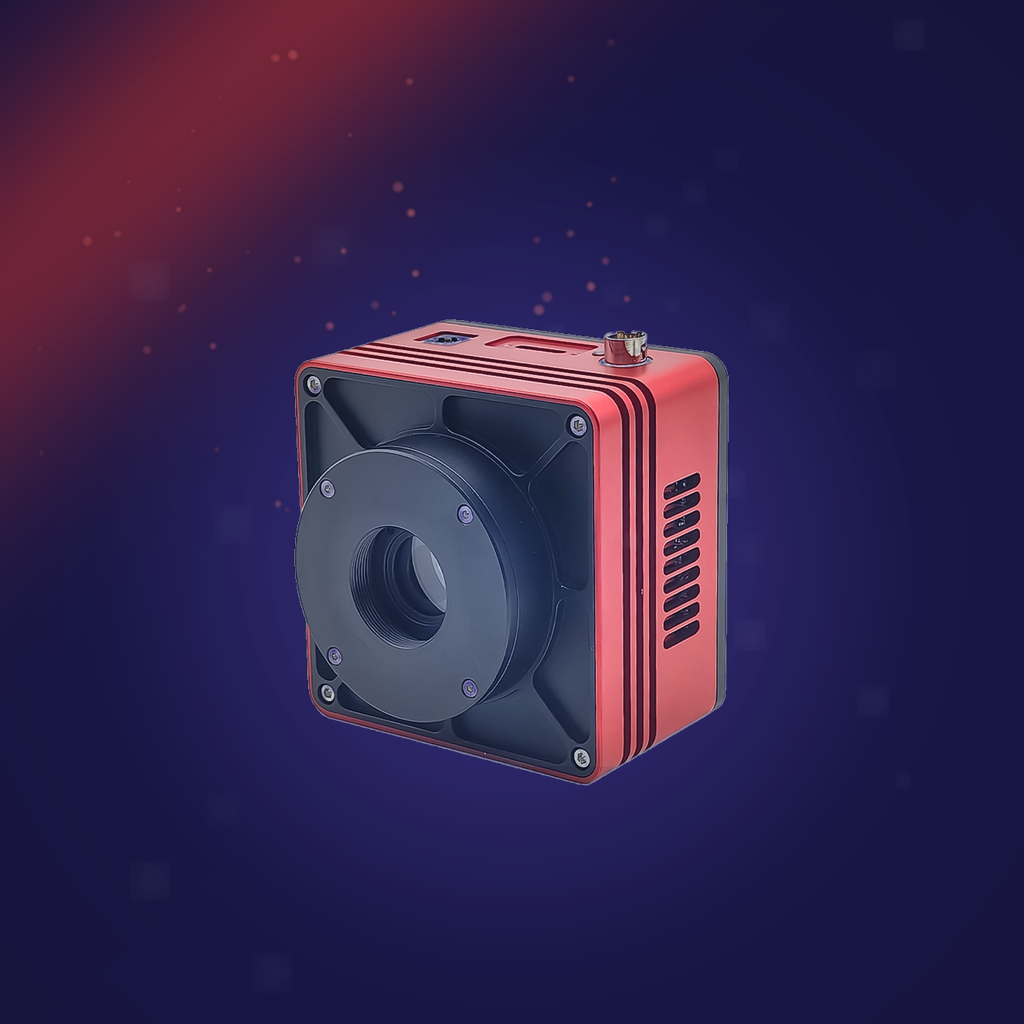
The UVISI064BU10G is a versatile sCMOS camera that combines high resolution, high sensitivity, and high frame rate, breaking through the technical barrier that has long made it difficult to achieve all three simultaneously, and establishing itself as a versatile imaging device for scientific and industrial applications.
I. Why Are High Resolution, High Sensitivity, and High Speed Difficult to Achieve Simultaneously?

Resolution, sensitivity, and imaging speed are the three core metrics for evaluating scientific imaging equipment, and they are mutually constrained. When selecting a camera, researchers and industrial users must weigh these factors based on their specific application requirements.
1.1 Resolution
High resolution means that the sensor must integrate more pixels, and the size of each individual pixel becomes smaller. Smaller pixels typically reduce light-gathering capability, affecting sensitivity. At the same time, the increase in total pixel count results in a larger volume of image data to be transmitted per unit time, which in turn impacts the frame rate.
1.2 Sensitivity
High sensitivity requires low noise and large pixel design, but larger pixels reduce the pixel count on a sensor of the same area, directly lowering resolution. Low noise also demands that the data readout speed not be too fast, thereby limiting the frame rate.
1.3 Frame Rate
High frame rates require fast readout, but this often necessitates reducing resolution or increasing the readout clock speed. High-frequency readout significantly amplifies circuit readout noise, which in turn affects sensitivity and reduces low-light detection capability.
II. How Does the UVISI064BU10G Achieve Balance Among the Three?
This camera leverages a self-developed hardware architecture and a high-end back-illuminated image sensor, achieving simultaneous optimization across the photosensitive chip, noise control, and data transmission—truly delivering high resolution, high sensitivity, and high frame rate all at once, breaking the inherent trade-offs of the industry.
2.1 High Resolution
It is equipped with the GSENSE6504BSI sensor, which features 4 megapixels (2048 × 2048). The high pixel count means that within the same field of view, the image is divided into more and smaller units, enabling the capture of richer information and finer details. It is compatible with the vast majority of microscopy observation and industrial field-of-view inspection specifications.
2.2 High Sensitivity
The camera sensor adopts a back-illuminated structure, placing the photosensitive layer above the circuitry. This eliminates the blocking and reflection of light caused by metal wiring in traditional front-illuminated designs, significantly improving light utilization. With a 6.5 μm pixel size—approximately 30% to 60% larger than the 4–5 μm small pixels—the light-sensitive area is substantially increased, enhancing the photon capture capability of each pixel while maintaining spatial resolution. Achieving a peak quantum efficiency of 95% at 450 nm, combined with readout noise as low as 0.9 e⁻, the camera delivers clear, high-signal-to-noise-ratio images even under extremely low-light conditions.
2.3 High Frame Rate
The camera is equipped with dual data interfaces: USB 3.2 and 10GigE. In particular, the 10GigE interface ensures stable long-distance transmission while delivering a high frame rate of 270 fps at full resolution in 8-bit mode. This resolves the bottleneck of high-speed transmission of high-resolution data, enabling continuous capture of high-speed dynamic targets.
III. Summary
With three core technological pillars—a back-illuminated high-quantum-efficiency sensor, low readout noise, and high-speed interfaces—the UVISI064BU10G achieves a balanced hardware solution across resolution, sensitivity, and imaging speed. It is equally capable in low-light scenarios such as single-molecule fluorescence imaging, super-resolution microscopy, and astronomical observation, as well as in high-frame-rate applications including high-speed particle imaging, dynamic material fracture analysis, and online industrial inspection. Whether you are in a cutting-edge research laboratory or facing demanding industrial quality control on the production line, this camera delivers a solution that combines exceptional performance with flexible adaptability.
👉 For more technical details, application cases, and specifications of the UVISI064BU10G, please visit:
4MP, 6.5µm Pixel, 200-1100nm sCMOS Camera