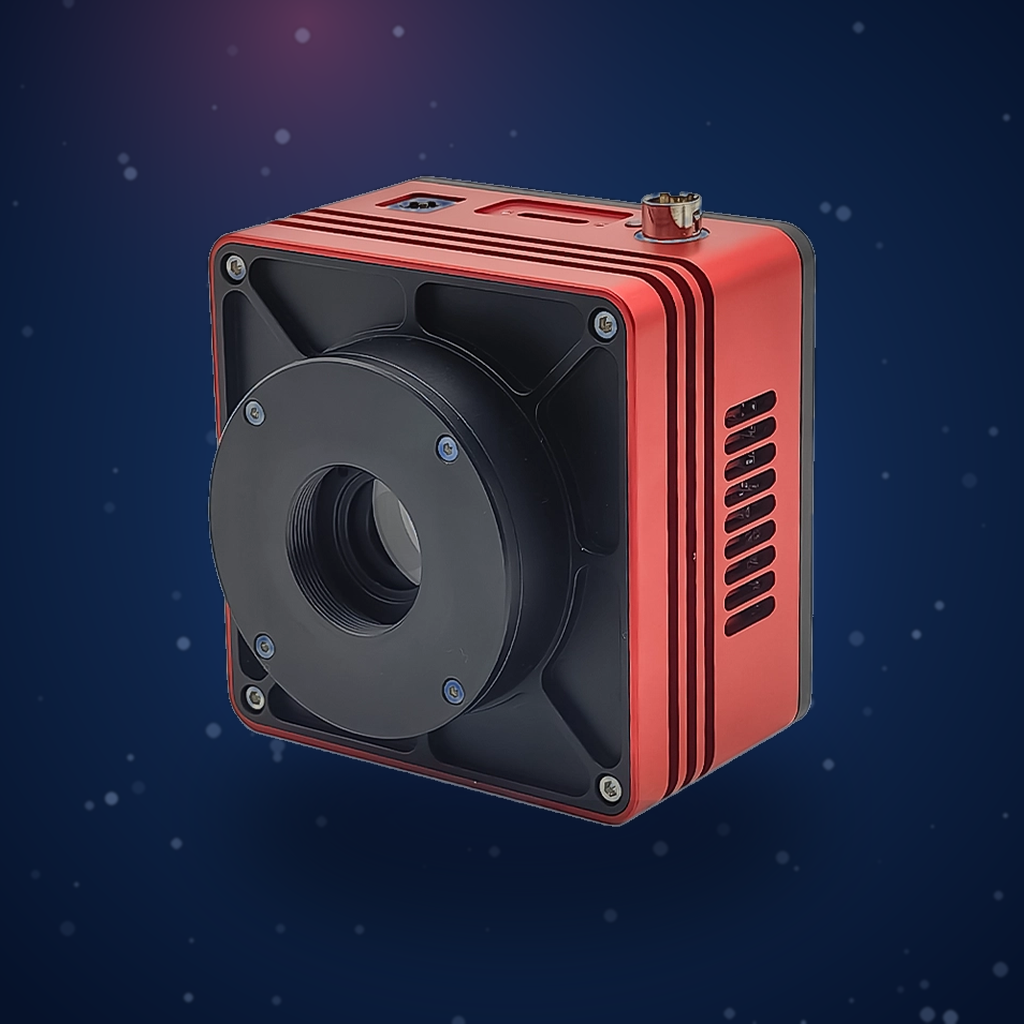
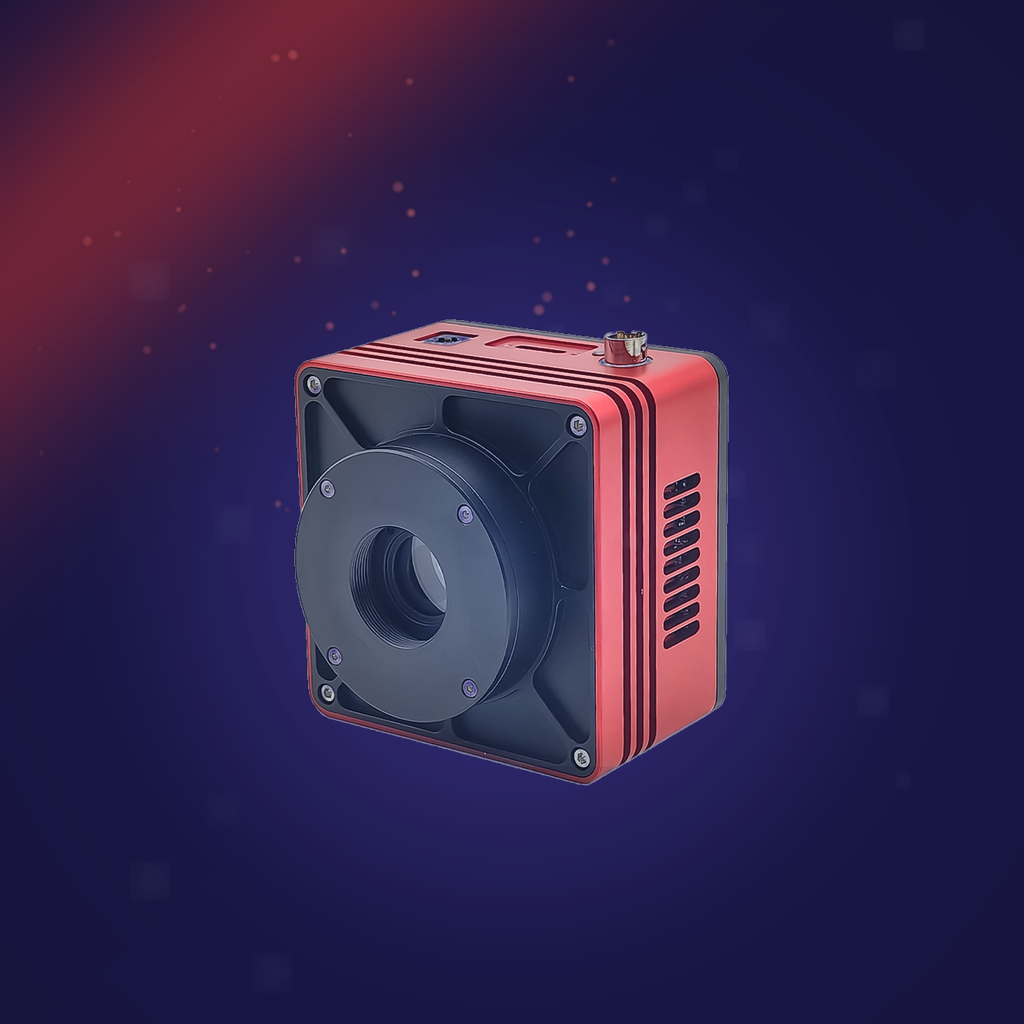
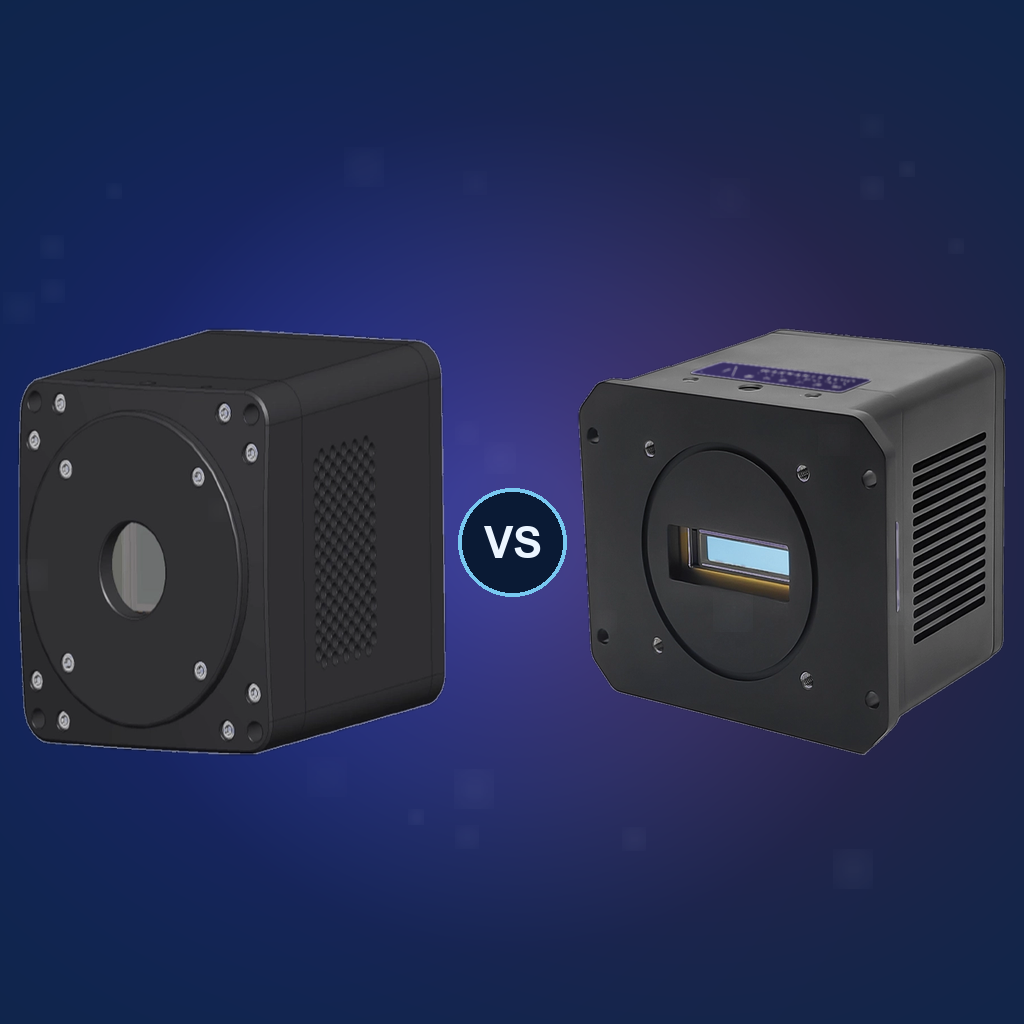
Have you ever wondered about the technology that allows us to see beyond the limits of human vision? In the modern era of advanced optics, the question “What is a SWIR Camera?” often arises among professionals and enthusiasts alike. A SWIR Camera is a specialized device designed to detect light in a spectrum that is entirely invisible to the naked human eye. Unlike standard digital cameras that rely on Visible light to produce images, this revolutionary equipment operates in a completely different Wavelength range. By doing so, a SWIR Camera can reveal hidden details and structural anomalies that traditional visual systems simply cannot detect. This remarkable ability to capture Short-wave infrared light has transformed numerous industries, proving that there is an expansive, hidden world existing right before our eyes, waiting to be discovered.
Characteristics of SWIR Imaging
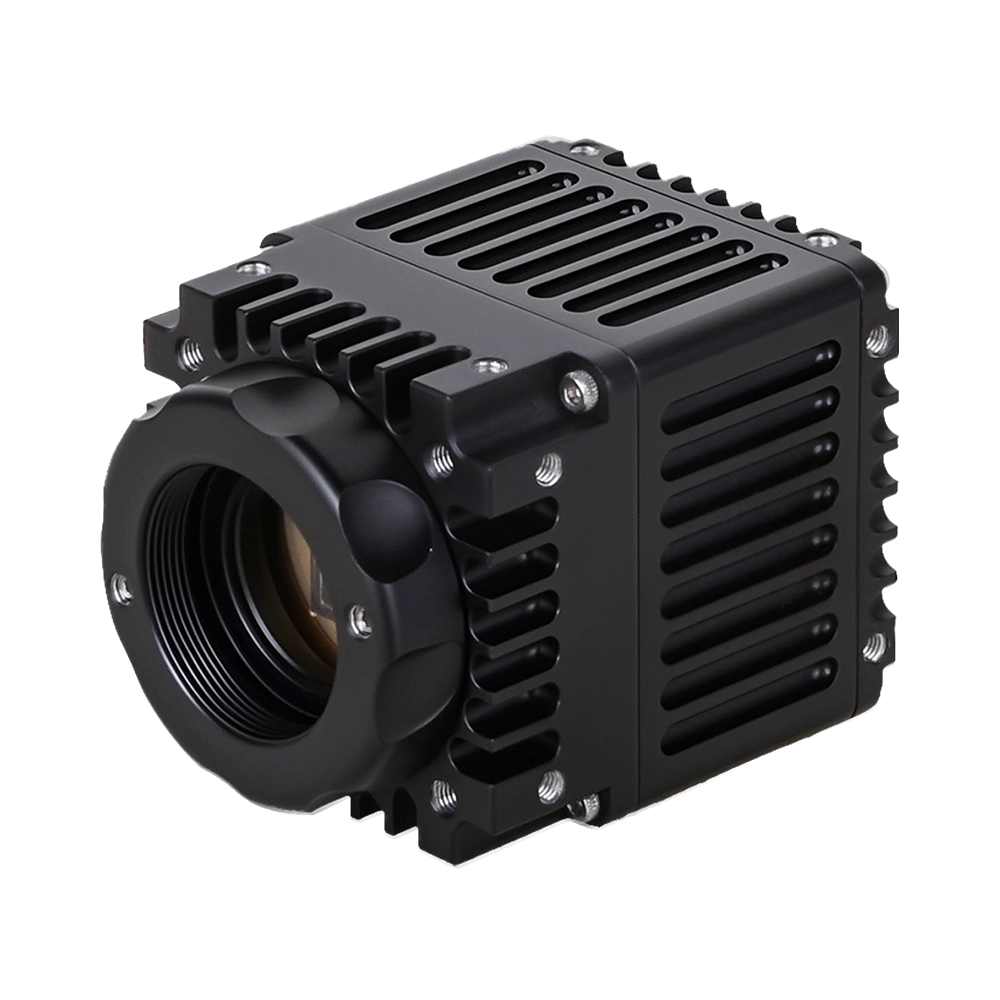
To truly grasp the importance of this technology, we must delve into the fundamental Characteristics of SWIR Imaging. While conventional photography captures the standard Visible light we see every day, a specialized SWIR Camera functions within a distinct Wavelength range, typically spanning between 900 and 1700 nanometers. Within this unique Short-wave infrared domain, the physical properties of many common materials behave in surprising ways. For example, materials that are completely opaque to the human eye—such as certain dark plastics and solid silicon wafers—become highly transparent.
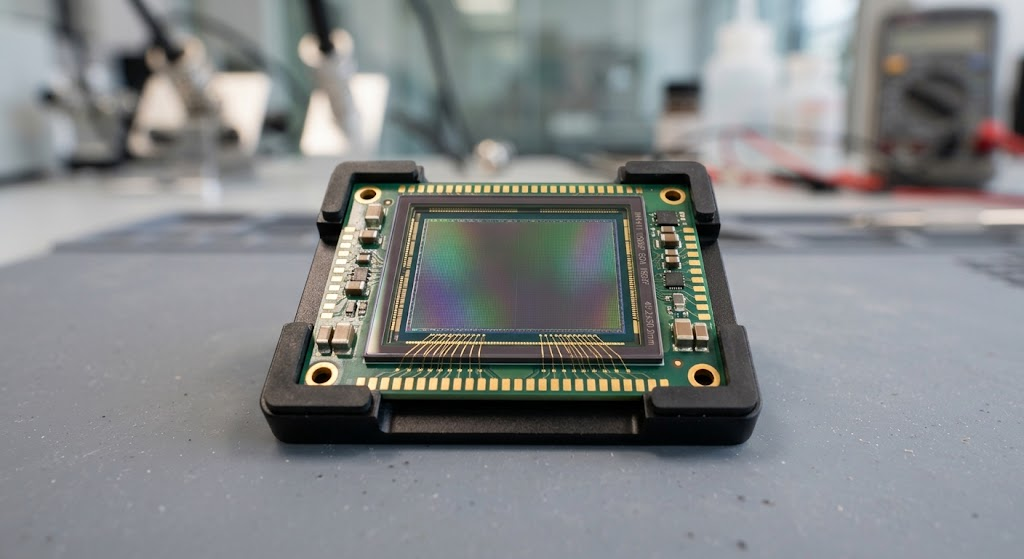
This incredible phenomenon is made possible by highly sophisticated Sensor technology. Because traditional silicon-based sensors cannot detect photons in this extended spectrum, engineers utilize InGaAs to manufacture these specialized detectors. An InGaAs based sensor is extraordinarily sensitive to the Short-wave infrared spectrum, allowing it to capture reflected photons that pass effortlessly through environmental obstructions like dense fog, thick smoke, and atmospheric haze. The resulting Imaging capabilities are truly astonishing. Because SWIR imaging primarily relies on reflected light, much like standard photography, the generated images are highly intuitive, richly detailed, and visually striking. This seamless combination of high-resolution output and the ability to peer directly through physical barriers gives SWIR imaging its unparalleled power.
Applications of SWIR Cameras
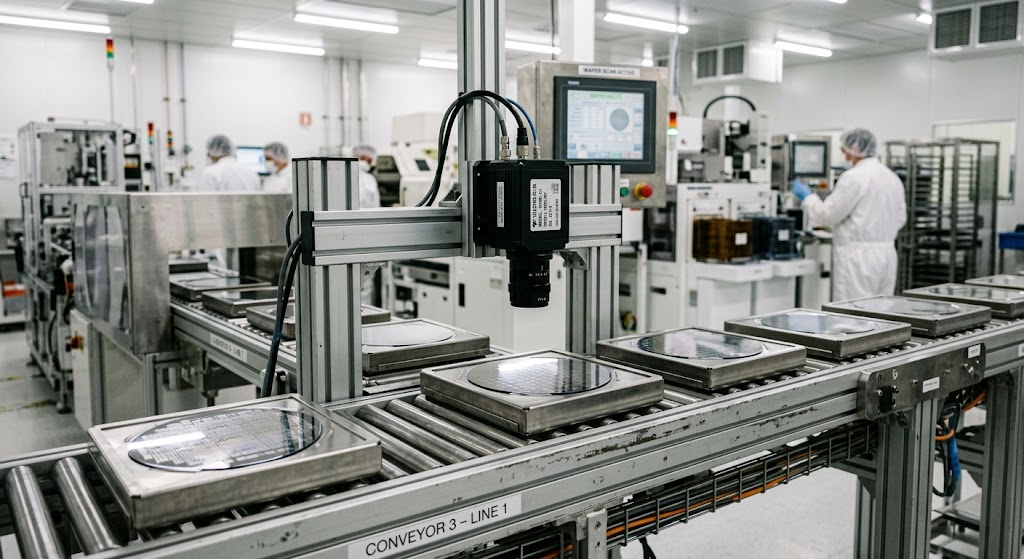
The robust and highly adaptable Imaging capabilities of these advanced devices have unsurprisingly led to their widespread adoption across numerous demanding sectors. When evaluating the diverse Applications of SWIR Cameras, the massive global manufacturing sector stands out immediately. In the rigorous field of Industrial inspection, absolute precision and flawless quality control are critical. Because silicon is completely transparent in this specific spectrum, a SWIR Camera is heavily utilized in semiconductor manufacturing to inspect the delicate internal structures of microchips for microscopic defects. Additionally, modern Industrial inspection relies on this technology for meticulously sorting agricultural products. Moisture absorbs these wavelengths strongly, making hidden water damage or bruising in fruits highly visible on the automated sorting line.
Beyond the bustling factory floor, Medical imaging is currently undergoing a quiet revolution thanks to these remarkable optical devices. In the sensitive realm of Medical imaging, healthcare professionals need to observe deep beneath the tissue surface without relying on potentially harmful ionizing radiation like traditional X-rays. Because human skin scatters significantly less light in this particular Wavelength range, highly sensitive InGaAs sensors can safely and non-invasively visualize delicate sub-surface blood vessels and assist in early-stage disease diagnosis. The future potential for entirely non-invasive diagnostics in Medical imaging is vast, exciting, and continually expanding.
Another incredibly critical area of deployment is Security applications. For dedicated military personnel and law enforcement operators, maintaining clear visibility in all environmental conditions is a matter of absolute necessity. Modern Security applications benefit immensely from the deployment of a robust SWIR Camera because it can effortlessly penetrate thick fog, heavy smoke, and blinding dust storms. While standard Visible light completely scatters and fails in adverse weather, these longer wavelengths cut directly through the interference, providing actionable intelligence. Furthermore, in advanced Security applications, the night sky naturally emits ambient airglow illumination in this exact spectrum, allowing an InGaAs equipped sensor to operate highly effectively even in the dead of night.
Advantages of SWIR Imaging
When we synthesize these fascinating points, the numerous Advantages of SWIR Imaging become undeniably clear. First and foremost, the unmatched Imaging capabilities allow for the consistent gathering of high-contrast visual data that thermal cameras simply cannot provide. Because it effectively captures reflected photons rather than emitted thermal radiation, it consistently produces clear, recognizable images that are rapidly interpreted by human operators without requiring extensive specialized training.
Secondly, the incredible versatility of the underlying Sensor technology means it can be seamlessly deployed in wildly diverse environments, ranging from sterile research laboratories to the unpredictable conditions of outdoor tactical surveillance. The reliance on advanced materials allows these sophisticated systems to remain relatively compact, lightweight, and often uncooled. This inherently makes the modern SWIR Camera highly portable, energy-efficient, and perfectly suited for continuous, uninterrupted operation in the field.
Furthermore, utilizing this unique spectrum offers a completely non-destructive, highly reliable way to analyze delicate materials. Whether an art historian is verifying the authenticity of a priceless painting by seeing safely through layers of old paint, or an engineer is ensuring structural integrity during Industrial inspection, SWIR imaging provides critical insights without ever altering or degrading the primary subject. In conclusion, advancing our Sensor technology continues to unlock an entirely new universe of hidden, fascinating details across the globe. The continuous evolution of advanced optoelectronic engineering continues to push the absolute boundaries of what is scientifically possible. As researchers and brilliant engineers dedicate countless hours to refining these systems, the overall accessibility of such high-end equipment dramatically improves for everyone. In the near future, we can easily expect even more widespread integration across commercial, scientific, and consumer platforms. This relentless pursuit of knowledge perfectly illustrates humanity’s inherent desire to explore the unknown. Every single technological breakthrough brings us one step closer to fully understanding the magnificent complexities of our shared universe. By maintaining our innate sense of wonder and actively seeking out new perspectives, we continuously enrich our daily lives and broaden our collective horizons. Therefore, the next time you look out into the world, remember that there is always a deeper, more profound truth waiting to be uncovered if you simply have the right tools to see it.
Frequently Asked Questions (FAQ)
Q1: How is a SWIR Camera different from a regular thermal camera?
A: While both operate in the infrared spectrum, they capture fundamentally different types of data. A thermal camera (MWIR or LWIR) detects the heat emitted by an object, producing images based on temperature differences. A SWIR Camera, on the other hand, captures reflected light—much like how our eyes see visible light. This allows it to produce high-resolution, recognizable images with shadows and contrast, rather than just heat signatures.
Q2: Can a SWIR Camera see through walls?
A: No, it cannot see through solid walls like wood, concrete, or metal. However, it can “see through” certain materials that appear completely opaque to the human eye, such as silicon wafers, specific dark plastics, and even atmospheric obstructions like dense fog, smoke, and haze.
Q3: Does SWIR imaging require an external light source?
A: It depends on the environment. In daylight or standard indoor lighting, there is often enough ambient short-wave infrared light present for the camera to capture clear images. In absolute darkness, it can rely on “night sky radiance” (ambient airglow) outdoors. However, in zero-light indoor environments, an external SWIR illumination source (such as specific LEDs or lasers) may be required.