Blog
描述
聚焦公司最新动态,追踪光电行业前沿资讯。
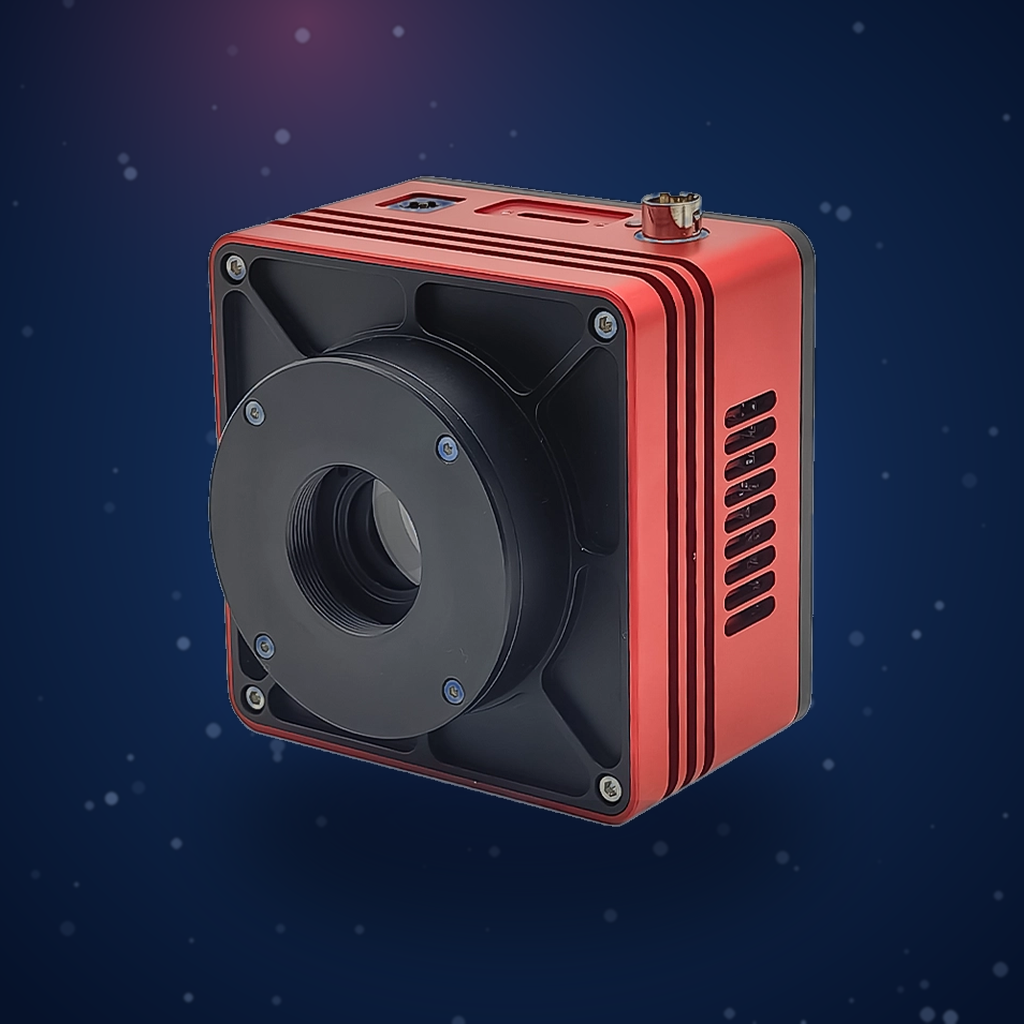
How to Choose an InGaAs SWIR Camera?
Choosing an InGaAs camera comes down to six decisions: what your application must detect, which spectral window it needs, how much resolution the target requires, what frame rate the line speed demands, whether dark current justifies cooling, and how the camera will talk to your software. InGaAs sensors cover 900–1700 nm with optional extension to 2200 or 2700 nm, and a modern InGaAs SWIR camera pairs that sensor with a silicon ROIC through indium bump bonds. This guide walks through each factor in order, with the datasheet numbers that separate one model from another. Key Takeaways What is an InGaAs Sensor? Indium gallium arsenide is a III-V compound semiconductor with the formula InxGa1-xAs. Its bandgap is set by the indium fraction, which is why a detector built from it can absorb light well beyond the reach of silicon. Standard silicon stops responding at roughly 1100 nm; InGaAs lattice-matched to an indium phosphide substrate responds from about 900 nm to 1700 nm, and raising the indium content pushes the cutoff to 2200 nm or 2700 nm at the cost of higher dark current. Inside an InGaAs camera, the sensor is not a single chip but a stack. The InGaAs layer is…
09/24/2026
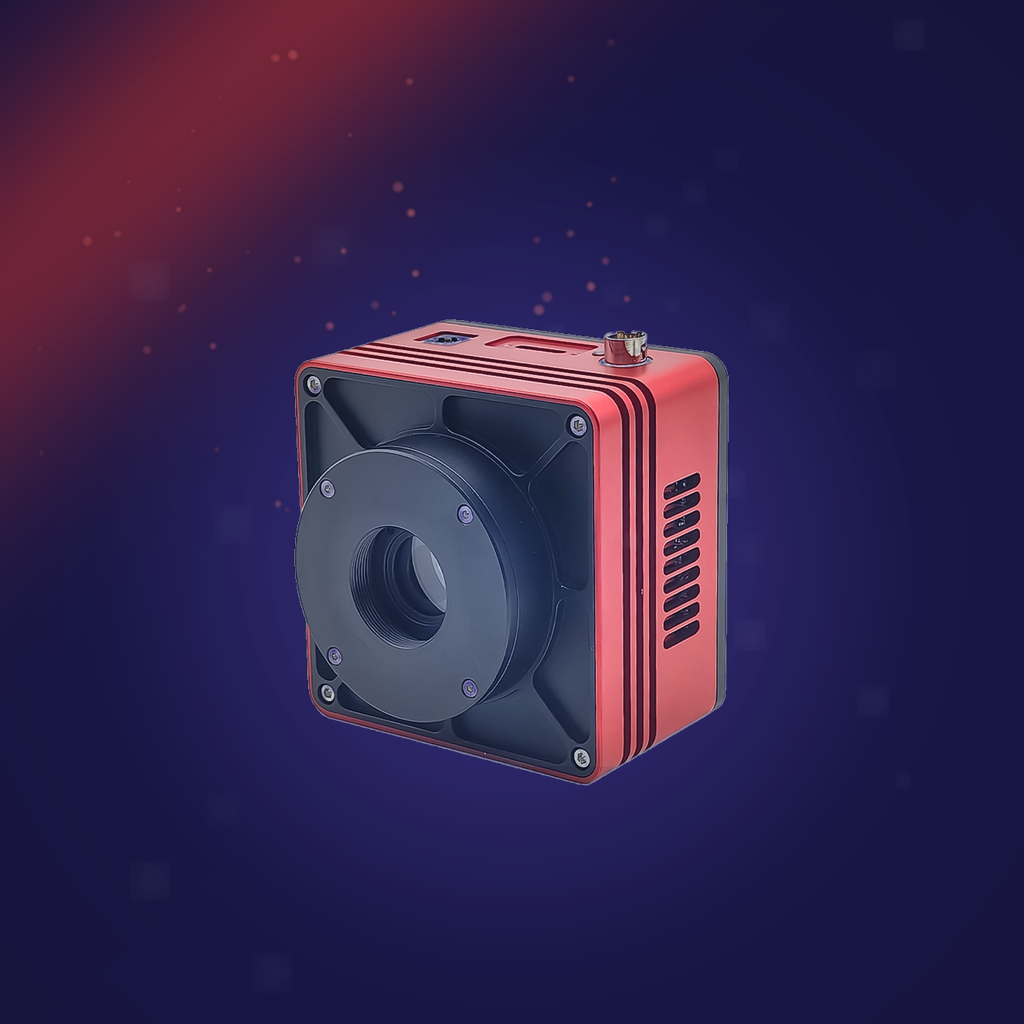
How SWIR Cameras Work
A SWIR camera images short-wave infrared — roughly 900–1700 nm — using an InGaAs focal plane array instead of silicon. Photons reflected by the target enter the lens, excite electrons in the indium gallium arsenide layer, and a readout integrated circuit (ROIC) bonded under every pixel converts that charge into a digital image. The result looks like a sharp black-and-white photograph, yet it reveals what visible and thermal cameras miss: silicon turns transparent, moisture turns dark and haze loses its grip. AttosTek builds cameras from 400 to 2700 nm with formats from 0.33 to 5 MP, in cooled and uncooled versions. Key Takeaways How do SWIR Cameras Work? A SWIR camera is a three-stage photon pipeline. Stage one is optics: the lens focuses short-wave infrared light reflected by the target onto the focal plane array, the sensor chip at the back of the camera. Stage two is detection. The FPA is a two-dimensional grid of InGaAs photodiodes, a compound semiconductor whose bandgap lets it absorb photons with wavelengths far beyond what silicon can see. Each arriving photon in the 900–1700 nm window excites an electron-hole pair, and the photodiode collects those charges as a tiny current during the exposure. Stage…
09/20/2026
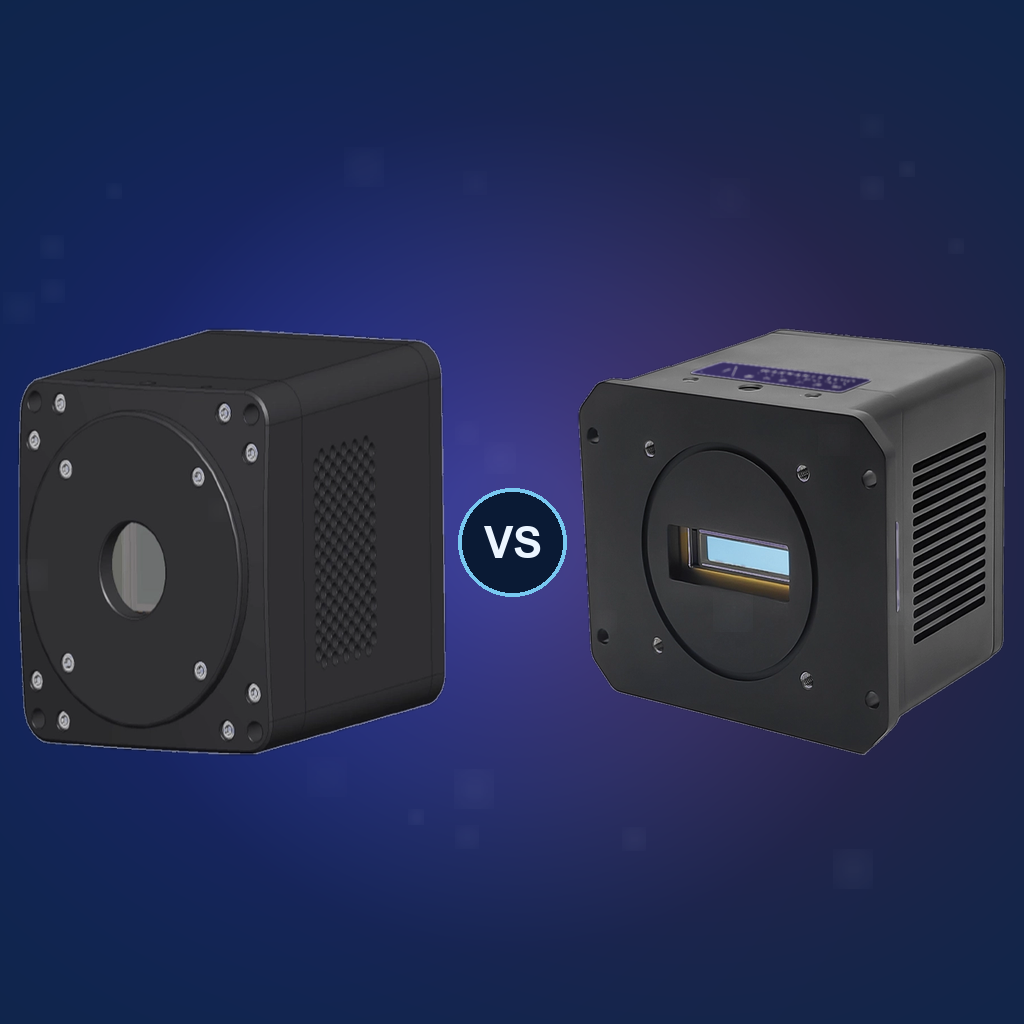
CCD vs CMOS or Exmor CMOS? Which is better?
There is no single winner in the CCD versus CMOS debate, because the two sensor families optimise for different jobs. A CCD camera moves every pixel's charge to one output and reads it through a single amplifier, which rewards uniformity and low noise. A CMOS camera converts light to voltage inside every pixel and reads columns in parallel, which rewards speed, low power and integration. Modern back-illuminated scientific CMOS has closed most of the historic gap: AttosTek's flagship 4 MP 6.5 μm sCMOS camera pairs QE 95% at 450 nm with 0.72 e- read noise and 248 fps at 8-bit, so for most scientific and industrial work CMOS is now the faster and more flexible choice, while CCD sensors remain justified in a few specialised niches. Key Takeaways How CCD and CMOS Sensors Read an Image Both sensor types convert photons into charge in the same silicon, so the difference is not detection but readout. In a CCD, the charge collected by every pixel is shifted bucket-by-bucket across the sensor to a single output node, where one amplifier converts it to voltage. That single path is the CCD's superpower and its bottleneck at the same time: because every pixel passes…
09/18/2026
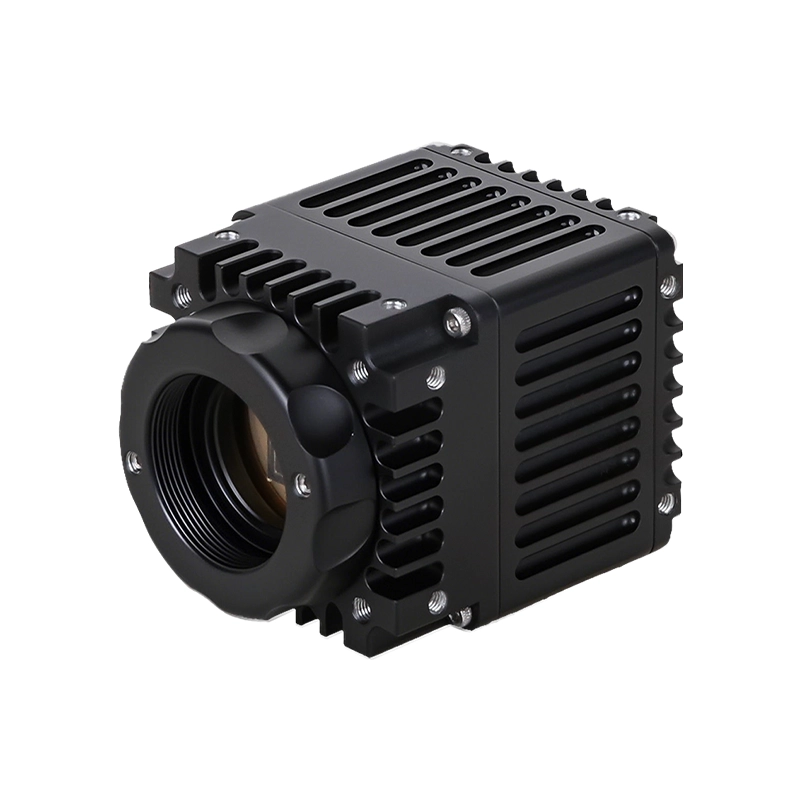
What is a SWIR Camera?
Have you ever wondered about the technology that allows us to see beyond the limits of human vision? In the modern era of advanced optics, the question "What is a SWIR Camera?" often arises among professionals and enthusiasts alike. A SWIR Camera is a specialized device designed to detect light in a spectrum that is entirely invisible to the naked human eye. Unlike standard digital cameras that rely on Visible light to produce images, this revolutionary equipment operates in a completely different Wavelength range. By doing so, a SWIR Camera can reveal hidden details and structural anomalies that traditional visual systems simply cannot detect. This remarkable ability to capture Short-wave infrared light has transformed numerous industries, proving that there is an expansive, hidden world existing right before our eyes, waiting to be discovered. Characteristics of SWIR Imaging To truly grasp the importance of this technology, we must delve into the fundamental Characteristics of SWIR Imaging. While conventional photography captures the standard Visible light we see every day, a specialized SWIR Camera functions within a distinct Wavelength range, typically spanning between 900 and 1700 nanometers. Within this unique Short-wave infrared domain, the physical properties of many common materials behave in surprising…
09/14/2026
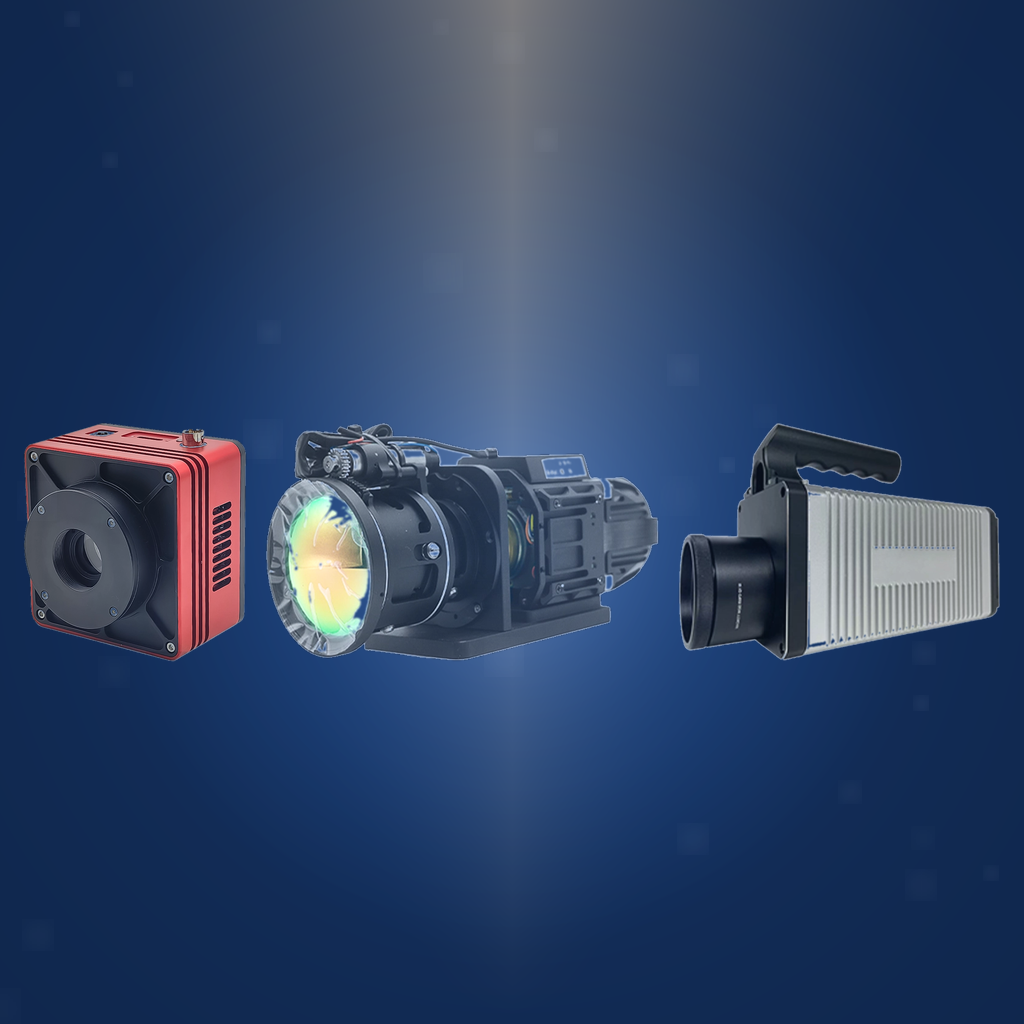
Infrared Thermography Guide: SWIR, MWIR and LWIR Imaging
Infrared thermography measures radiation, but not every infrared band measures heat. SWIR cameras (roughly 900–1700 nm) mostly record reflected light, so they behave like visible cameras that can see through silicon, smoke and haze. MWIR cameras (3–5 μm) and LWIR cameras (8–14 μm) record emitted radiation, which is what makes true temperature measurement possible. Choose SWIR for material inspection, moisture detection and starlight environments; choose MWIR for hot targets at long range; choose LWIR for ambient-temperature thermography such as electrical, building and industrial safety inspections. Key Takeaways What Infrared Thermography Actually Measures Every infrared image starts with photons, but the source of those photons changes the meaning of the picture. Two mechanisms matter. Reflected light bounces off a surface after arriving from the sun, the sky, a lamp or a laser; solar reflectance is the daylight version of that signal, and it is what makes non-thermal imaging possible at all. Emitted radiation leaves the object itself because everything above absolute zero radiates according to its temperature. Thermography in the strict sense means measuring that second component and converting it into a temperature reading. The split happens around 2–3 μm. Below that, in the short-wave infrared, reflected light usually dominates and…
09/10/2026
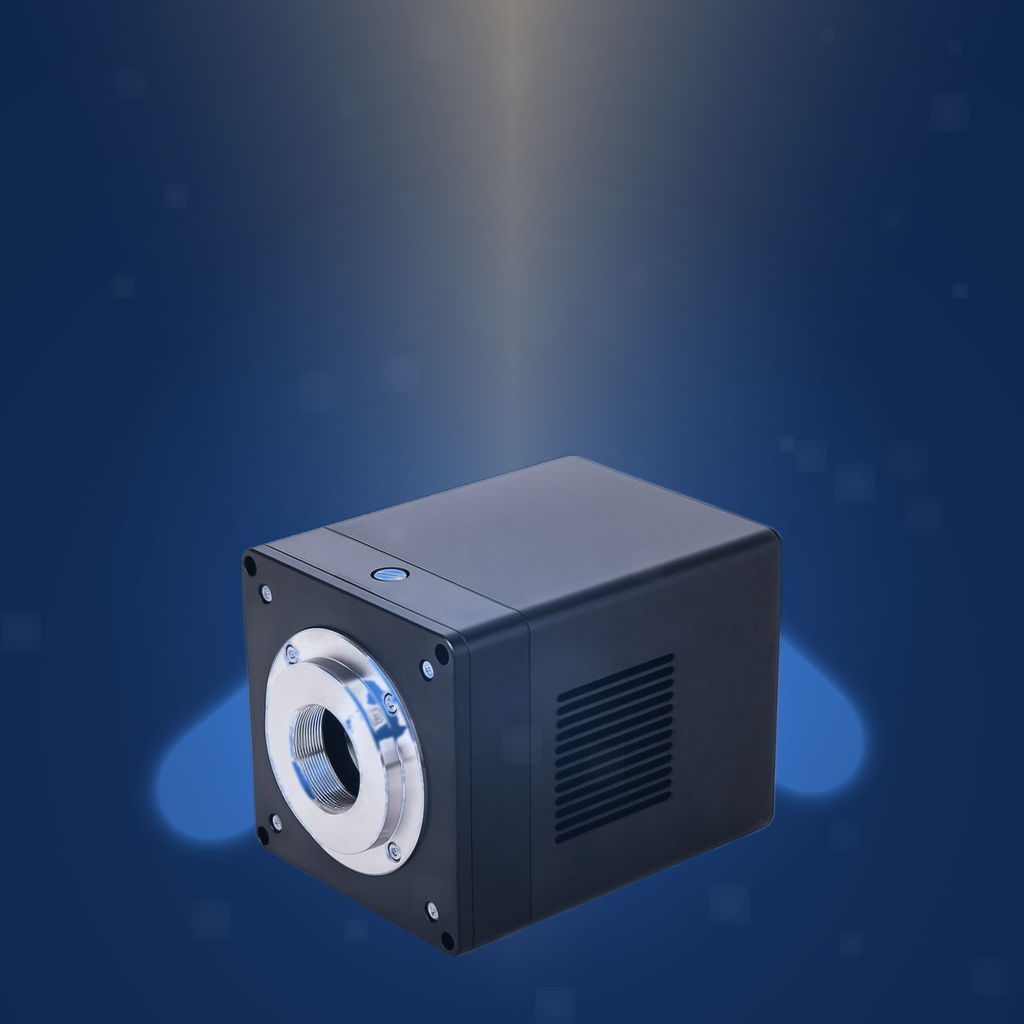
Quantum Efficiency in Scientific Cameras: A Beginner’s Guide
Quantum efficiency (QE) is the probability that a single photon striking an image sensor produces a photoelectron that reaches the readout. A QE of 80% means eight photons out of ten are converted into signal; the other two are reflected or absorbed without charge. In scientific cameras, QE decides how much light a measurement needs, how long the exposure runs, and how clean the weakest signals look. Back-illuminated sCMOS and CCD sensors now reach 90% or more at their peak wavelengths, while many front-illuminated CMOS sensors stay near 60–70%. The rule is simple: match the QE curve to your emission wavelength, not just to the peak number on the datasheet. Key Takeaways What Is Quantum Efficiency? Quantum efficiency is the ratio between the number of photoelectrons collected and the number of photons that hit the detector. Every image sensor works the same way at the microscopic level: a photon arrives, its energy is absorbed in the semiconductor, and that energy promotes an electron into the conduction band. That mobile electron is the photoelectron, and photon detection in scientific cameras is essentially a counting game — count enough photoelectrons and the image is real; count too few and noise takes over.…
09/07/2026
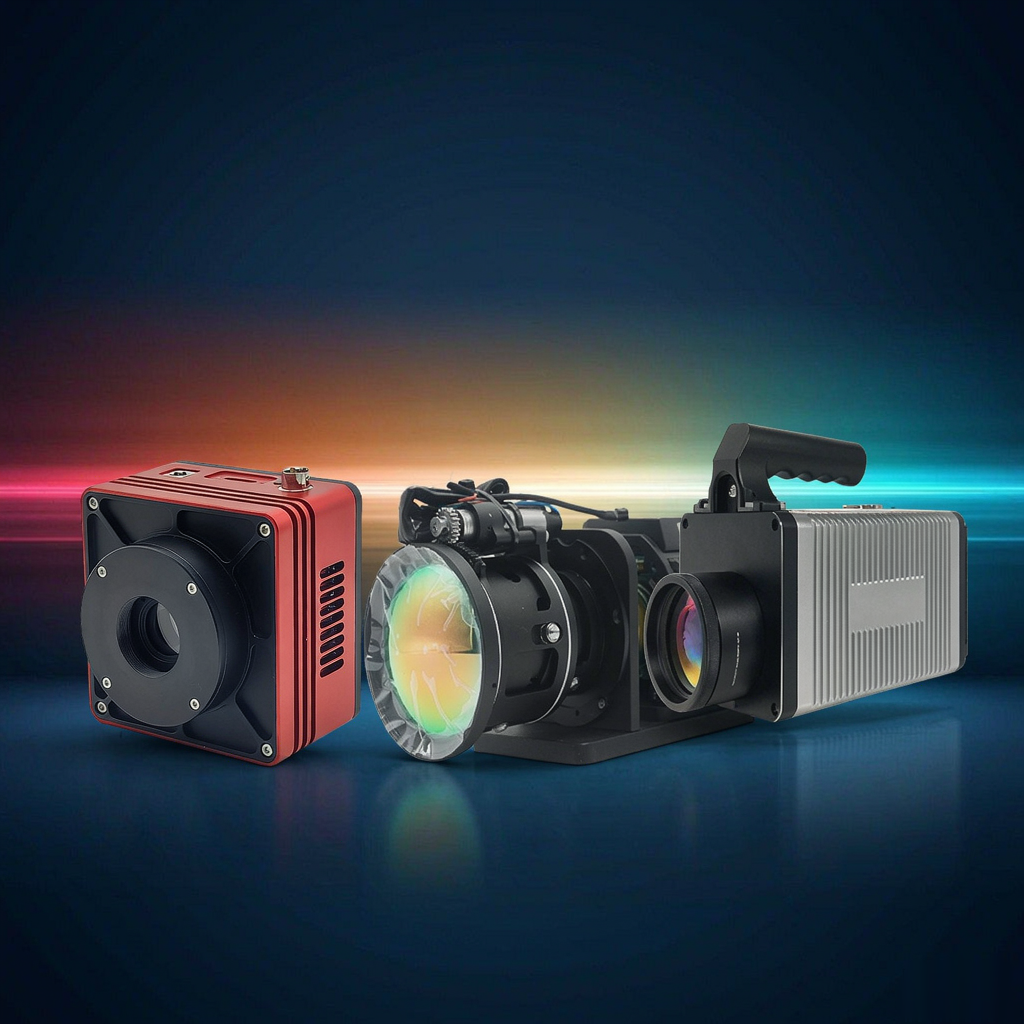
SWIR vs. MWIR vs. LWIR Thermal Cameras: Key Differences
SWIR, MWIR and LWIR cameras do not compete on the same physics. SWIR (roughly 900–1700 nm) mostly records reflected light and delivers visible-like detail, MWIR (3–5 μm) reads radiation emitted by hot targets such as engines and exhaust plumes, and LWIR (8–14 μm) reads radiation emitted near ambient temperature, which makes it the default choice for people, buildings and electrical panels. Choose the band by target temperature first, then check atmosphere, optics and integration limits. MWIR cameras cost more and need cooled detectors, yet they detect hot objects at roughly 2.5× the range of LWIR. A SWIR camera stays the lowest-cost route to fine detail through glass, smoke and silicon. Key Takeaways 1. Definition and Range of the Three Core Infrared Bands Most buyers meet infrared as a single word, but the spectrum splits into three working bands with different physics, different detectors and very different price tags. SWIR camera models in AttosTek's line cover 400–1700 nm in the A-Series and 900–1700 nm in the B-Series, sitting just past visible red. MWIR (mid-wave infrared) covers 3–5 μm. LWIR (long-wave infrared) covers 8–14 μm, the atmospheric window where objects near ambient temperature radiate most strongly. The dividing line is reflection versus…
09/04/2026
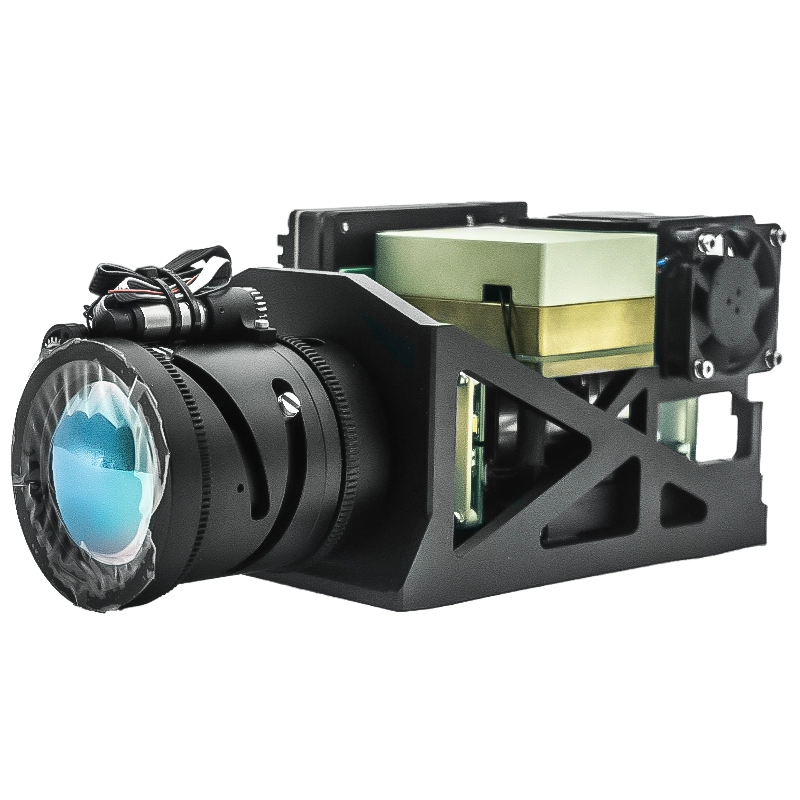
LWIR vs MWIR: How to Choose the Right Infrared Band
Choose MWIR when your targets are hot, distant, or seen through long humid paths — its 3–5 μm window delivers strong thermal contrast on engines, plumes, and industrial furnaces. Choose LWIR when you monitor room-temperature objects such as electrical equipment, buildings, or people, where the 8–14 μm window carries most of the ambient thermal radiation and uncooled cameras keep cost and complexity low. The practical rule is not about which band is "better": it is about the temperature of your scene, the distance you must cover, and the operating budget your program can sustain. Key Takeaways What Are the Core Differences Between LWIR vs MWIR? Mid-wave infrared (MWIR) cameras image the 3–5 μm band, and long-wave infrared (LWIR) cameras image the 8–14 μm band. The two windows come from different regions of the blackbody curve, which is why each one sees a different type of scene. Objects near room temperature emit most of their thermal energy at wavelengths above 8 μm, so LWIR is the natural window for passive imaging of buildings, vehicles at ambient temperature, people, and electrical components. As an object heats up, its emission peak shifts toward shorter wavelengths — an 800 K furnace opening peaks around…
09/03/2026