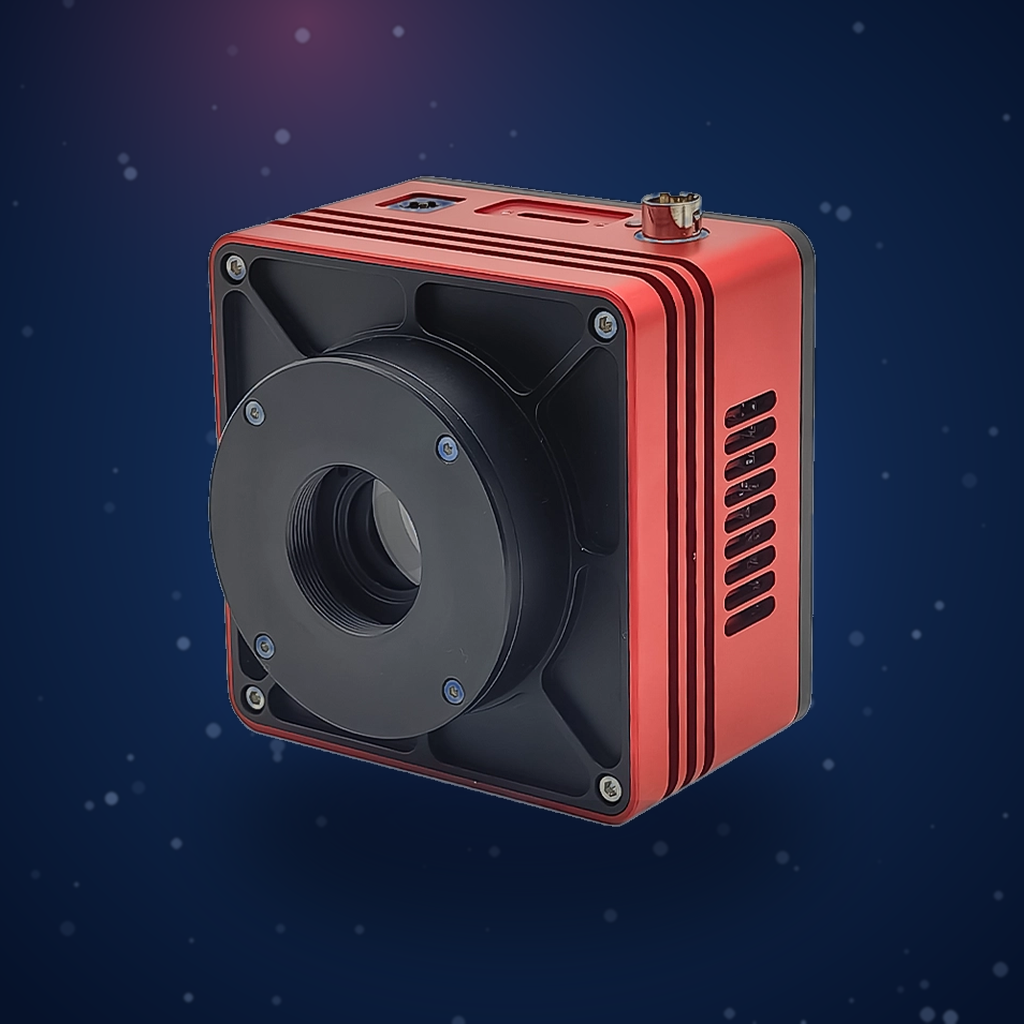
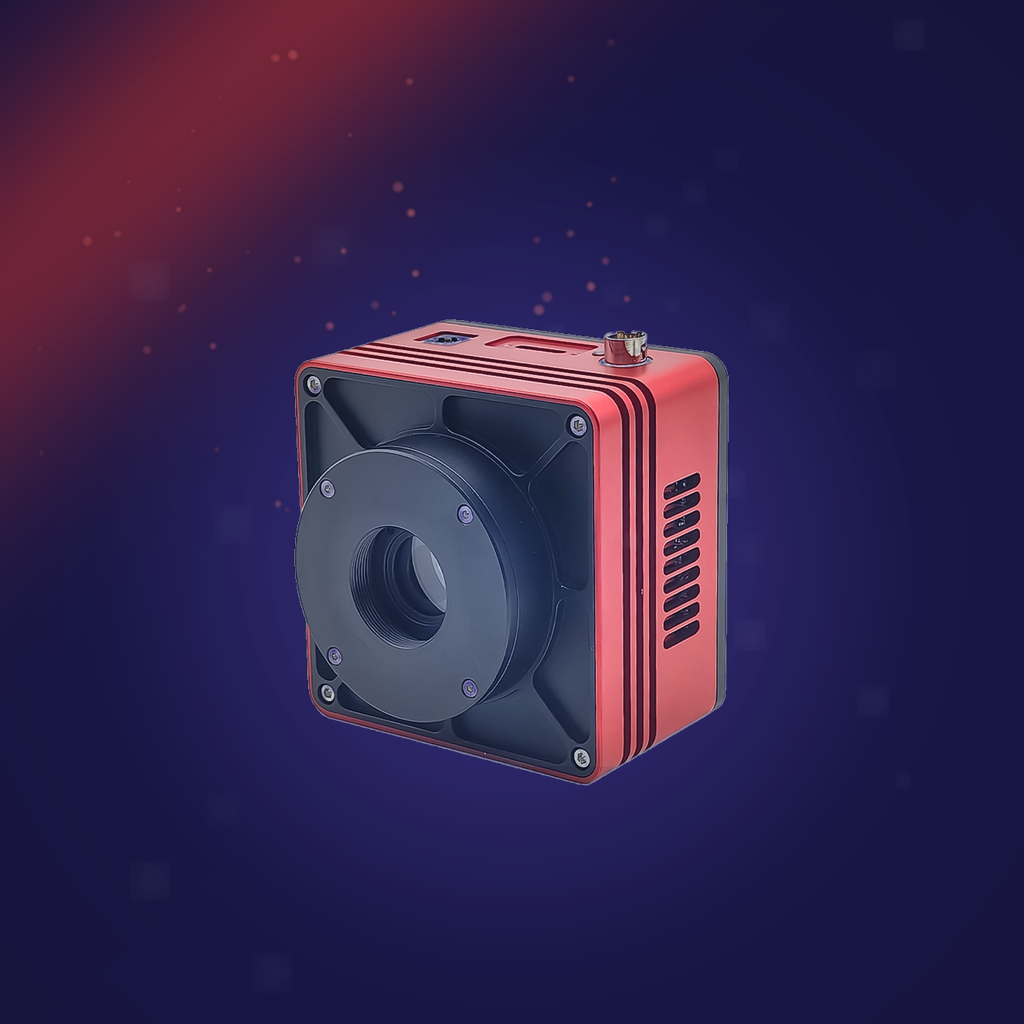
Short-wave infrared (SWIR) imaging technology is a core visual tool in industrial non-destructive testing, material spectroscopic analysis, laser precision detection, and scientific research. As high-end application scenarios continue to evolve, the detection range of conventional SWIR cameras can no longer meet the demands of extended-wavelength applications such as deep defect inspection of polymer composite materials, 2200nm band laser imaging calibration, and precise identification of mineral components. Consequently, 2200nm extended-wavelength SWIR cameras—with broader detection ranges and enhanced responsiveness—are gradually becoming an industry necessity, effectively filling the gap in ultra-long-wave infrared detection and adapting to more high-precision operating conditions.
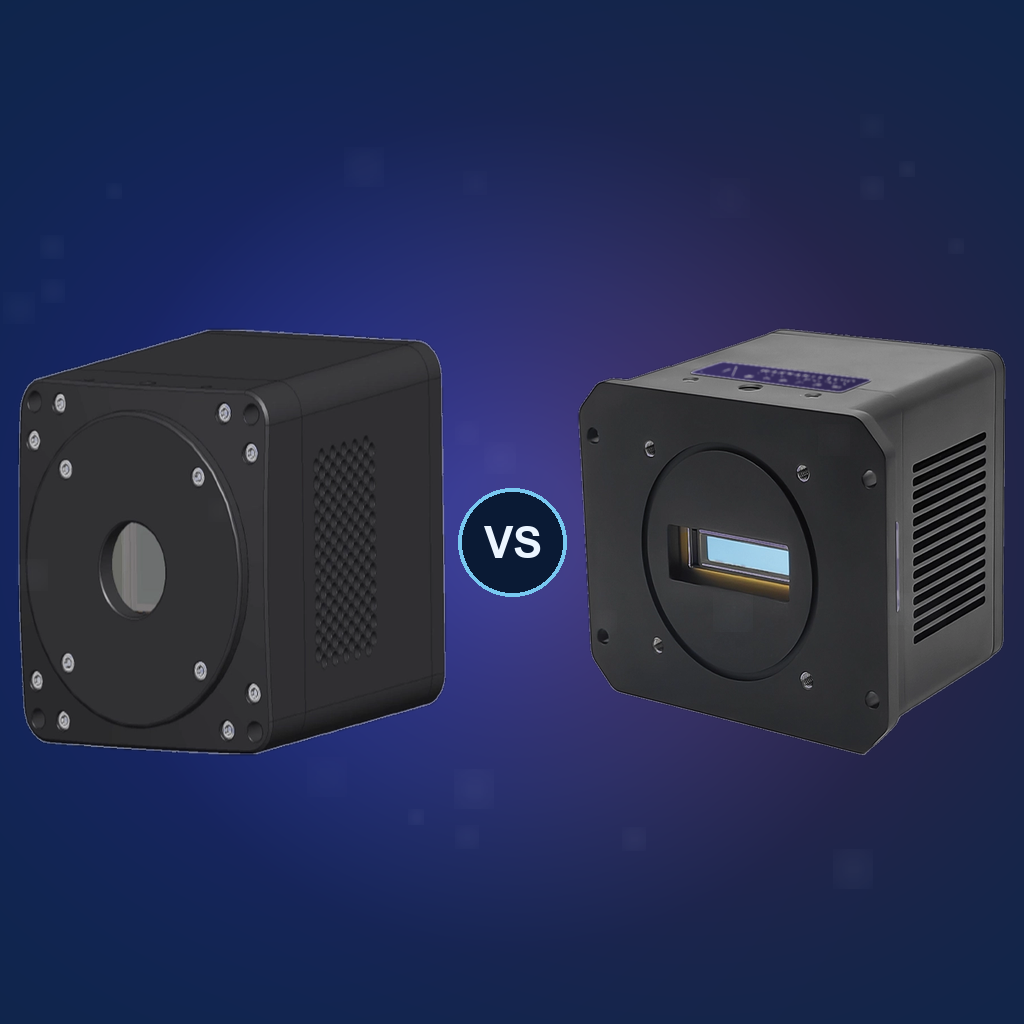
Below is a comparison of key parameters for four mainstream 2200nm extended-wavelength SWIR cameras:
| Brand | AttosTek | Allied Vision | EHD imaging | Photonic Science |
|---|---|---|---|---|
| Model | SWIR1503CU-2.2 | Goldeye CL-034 XSWIR 2.2 | EHD333KMB-E1222 | Cooled VGA Extended SWIR |
| Spectral Range | 1200–2200 nm | 1200–2200 nm | 1200–2200 nm | 1100–2200 nm |
| Pixel Size | 15 µm × 15 µm | 15 µm × 15 µm | 15 µm × 15 µm | 15 µm × 15 µm |
| Frame Rate | 270 fps | 303 fps | 240 fps | 174 fps |
| Resolution | 640 × 512 | 636 × 508 | 640 × 512 | 640 × 512 |
| Quantum Efficiency | 70% @ 1900 nm | 70% @ 1900 nm | 70% @ 1900 nm | 70% @ 2050 nm |
| Dark Current | <25 fA @ 0.1V & 18°C, 178 ke⁻/pixel/s | 820 ke⁻/s | <25 fA @ 0.1V & 18°C | <300 fA (air-cooled), <20 fA (water-cooled) |
| Cooling Temperature | –50°C (air-cooled) | –40°C (air-cooled) | –20°C (air-cooled) | –25°C (air-cooled) / –50°C (water-cooled) |
| Interface | USB 3.0 | Camera Link | USB 3.0 / CameraLink | GigE / CameraLink |
| Shutter Mode | Global shutter | Global shutter | Global shutter | Global shutter |
| Key Features | Low cooling temperature suppresses dark current; USB 3.0 for convenient connectivity. | Higher frame rate, suitable for dynamic scenes. | Dual interface options for flexible system integration. | Supports both air and water cooling; high spectral identification accuracy in long-wave range. |